
Planting
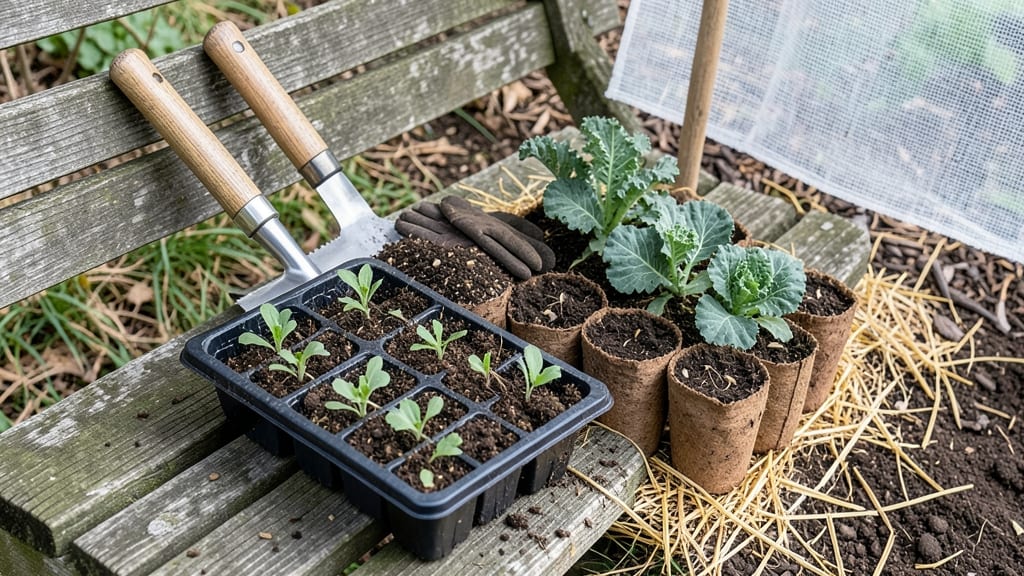
Planting a winter garden in Florida is all about timing—because the wrong week can mean the difference between a thriving harvest and a wilted disappointment.
Florida’s mild winters may not bring frost, but they do bring heat spikes, humidity shifts, and regional microclimates that can throw off even the most seasoned gardener.
If you’ve ever watched your leafy greens bolt in late winter or your broccoli struggle under unexpected warmth, you know how critical the right schedule is.
Here’s the secret: most Florida gardeners plant their winter crops between mid-August and early October, when soil temperatures drop just enough to support cool-season growth.
But the exact window depends on whether you’re in the cooler highlands or the warmer coastal zones—and whether you’re sowing seeds or transplanting starts.
Below, I’ll break down the microclimate-specific deadlines for zero-frost crops like lettuce, spinach, and carrots, plus the three key adjustments Florida gardeners use to extend their harvests well into spring—without risking bolt or rot.
Florida’s winter planting Zones: exact deadlines by microclimate
Florida’s winter garden thrives when you respect its three distinct microclimates—North, Central, and South—each with unique planting deadlines shaped by temperature shifts. Unlike northern states, Florida’s frost-free winters let you grow cool-season crops year-round, but timing still matters.
In North Florida (Zones 8a-9a), cooler nights arrive earlier, while South Florida (Zones 10a-11) stays warm enough for heat-tolerant varieties well into January.
For direct sowing (planting seeds directly in soil), aim for mid-August to early October across all regions.
This window lets seeds germinate before hot afternoons subside and soil temperatures drop. Transplants (seedlings from nurseries) have a slightly later window—September 15 to November 1—giving them time to establish roots before winter’s mild chill.
Coastal areas near Gulf breezes can extend deadlines by 2-3 weeks due to moderating ocean air.
Urban heat islands (like Miami’s downtown or Orlando’s city centers) can delay planting by 1-2 weeks compared to rural areas. Use soil thermometers to confirm temperatures are below 85°F for seed germination. Inland areas like Lake County or Ocala may see cooler soil faster, so plant earlier if your soil drops to 75°F by midday.
Here’s how to adjust for your region:
For heat-tolerant varieties, South Florida gardeners can push deadlines by 3-4 weeks using varieties like ‘Black Seeded Simpson’ lettuce or ‘Heat-Tolerant’ collards. These thrive in 80°F soil and won’t bolt (flower prematurely) like traditional cool-season crops.
In contrast, frost-sensitive crops like spinach or peas must be planted by early October in North Florida to avoid stunted growth from cooler nights.
My top tip: Use mulch (straw or pine needles) to regulate soil temperature. In North Florida, mulch keeps roots warm; in South Florida, it prevents soil from overheating.
For urban gardens, consider raised beds—they warm up faster in fall and cool down slower in spring, giving you a 2-week extended window for both planting and harvesting.
Coastal gardeners should leverage ocean breezes to their advantage. Areas like Fort Lauderdale or Tampa Bay experience milder winters due to maritime influence. Plant fast-maturing crops (e.g., radishes in 25 days) in late October for a January harvest.
Pair them with slow growers like broccoli (60-80 days) planted in early September to stagger your harvest timeline.
If you’re in a transition zone (e.g., Daytona Beach or Lakeland), err on the side of earlier planting. These areas experience microclimate whiplash—warm days and chilly nights.
Start with hardy transplants like kale or Swiss chard, which tolerate light frosts (rare but possible). For direct-sown seeds, opt for fast
How to extend your winter garden season without risking frost
Florida’s winter garden doesn’t have to end with the first warm spell. With the right season-extending tactics, you can push your harvests well into spring—even when temperatures flirt with 80°F.
The key is combining heat management with strategic planting. I’ve used these methods to keep my leafy greens thriving through March, and I’ll walk you through exactly how.
Most gardeners stop planting by October, but that’s when the real opportunities begin. By using row covers, shade cloths, and succession planting, I’ve added an extra 6-8 weeks to my winter harvests.
The trick is balancing protection with airflow to avoid fungal diseases or heat stress. Let’s break down the four most effective strategies—and the tools Florida gardeners swear by.
🌱 4 Proven Ways to Extend Your Florida Winter Garden
- 1. Row Covers & Low Tunnels – Use floating row covers (30% shade) to block wind and reduce heat by 5-10°F. For late-season crops, add a low tunnel with drip irrigation to maintain moisture.
- 2. Shade Cloth (30-50%) – Stretch agricultural shade cloth over beds during 90°F+ days to prevent bolting. Secure edges with U-clips to avoid tearing.
- 3. Succession Planting – Sow fast-maturing crops like radishes or lettuce every 2-3 weeks from September through January. This ensures a steady harvest as older plants bolt.
- 4. Heat-Tolerant Varieties – Swap out standard lettuce for ‘Jericho’ or ‘Black Seeded Simpson’, which handle 75°F+ better. For greens, try ‘Malabar spinach’—it thrives in heat.
Don’t overlook irrigation timing—this is where many gardeners fail. I’ve found that drip irrigation on a timer (set for early morning) keeps soil consistently moist without overheating leaves. Pair this with mulch (straw or shredded leaves) to lock in moisture and regulate soil temperature.
For North Florida gardeners (Zones 8a-9a), where nights dip into the 40s°F, add a lightweight frost blanket on cold nights. In South Florida, focus on shade and airflow—your biggest enemy is humidity, not cold. I’ve seen broccoli and cauliflower bolt in Miami by February if left unprotected.
Pro tip: Monitor your garden’s microclimate. A shaded corner may stay 10°F cooler than a sunny bed—use this to your advantage by planting heat-sensitive crops where they’ll get partial shade. And always check the National Weather Service for unexpected cold snaps, even in Florida.
With these tactics, you can enjoy fresh salad greens and root vegetables straight from your garden well into April. The secret? Start protecting your plants in late October and keep an eye on the forecast. Your spring harvest will thank you! 🌿