
Tools
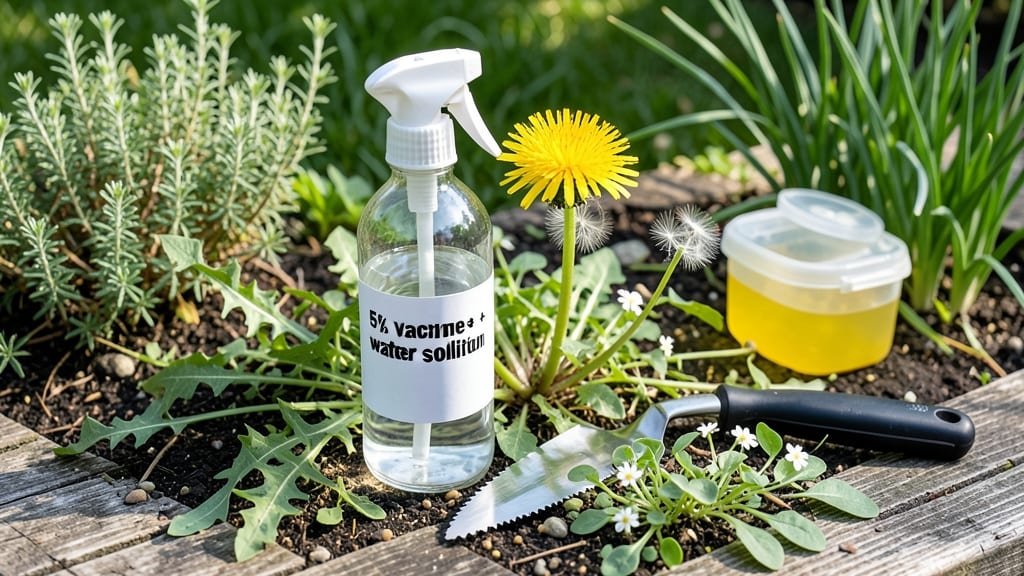
Vinegar in the garden serves as a natural weed killer, soil acidifier, and fungicide when used correctly, though its strong acidity risks harming plants and beneficial soil microbes if overused. Always dilute and test small areas first.
Vinegar's acetic acid content—typically 5% to 8%—disrupts plant cell membranes, making it effective against weeds and fungi. 🌱 However, its low pH (around 2-3) can alter soil chemistry, which is why gardeners often use it as a spot treatment rather than a broad application.
For example, a 1:1 vinegar-water mix sprayed on weeds in late afternoon works best, while adding a few drops of dish soap helps it cling to surfaces. The key is balance: too much can sterilize soil, but the right amount targets pests without collateral damage.
Beyond weeds, diluted vinegar can also help control fungal diseases like powdery mildew on roses or black spot on leaves. Just remember—never apply to acid-loving plants like blueberries or azaleas, and always rinse treated areas after 24 hours to prevent long-term soil acidification. A little goes a long way!
💡 In This Article
- How Vinegar Works as a Natural Garden Solution
- Safe Vinegar Applications for Weeds, Pests, and Soil
How vinegar works as a natural garden solution
Vinegar's power in the garden comes from its main ingredient: acetic acid, which typically makes up 5% to 8% of white vinegar and can reach 10% in concentrated versions. This acid has a pH of about 2-3, making it strong enough to disrupt plant cell membranes.
When sprayed on weeds, the acetic acid penetrates their leaves and stems, causing rapid dehydration and cell death within hours. The process works similarly to how salt kills plants by osmotic pressure, but vinegar's acidity also denatures proteins in plant cells, accelerating the damage.
The effectiveness varies by vinegar type: white vinegar (5% acidity) is standard for gardening, while apple cider vinegar (also around 5%) contains trace nutrients that may benefit soil microbes in small doses. 🌿 For fungal control, vinegar's acidity creates an inhospitable environment for pathogens like powdery mildew by disrupting their cell walls.
However, this same acidity can harm beneficial microbes in the soil, which is why gardeners use vinegar as a targeted treatment rather than a soil amendment.
Soil pH plays a critical role in vinegar's impact. Most garden plants thrive in slightly acidic to neutral soil (pH 6.0-7.0), but vinegar can drop pH levels dramatically when applied directly.
A single application of undiluted vinegar can lower soil pH by 1-2 points in the treated area, which may benefit acid-loving plants like hydrangeas but harm others like tomatoes.
The key is understanding that vinegar's effects are temporary—rainfall and microbial activity will gradually restore balance, but repeated applications can create long-term soil chemistry issues.
What most gardeners don't realize is how vinegar's concentration affects its performance. A 1:1 vinegar-to-water mix creates a solution with about 2.5% acidity, which is strong enough to kill weeds but weak enough to avoid severe soil damage.
Adding a few drops of dish soap (about 1 teaspoon per quart) enhances the spray's sticking power, allowing the vinegar to adhere better to plant surfaces. This combination is particularly effective against broadleaf weeds, which have larger surface areas for the solution to penetrate compared to grassy weeds.
Timing matters too: applying vinegar on a sunny afternoon maximizes its effectiveness because the heat opens plant stomata (pores), allowing the acetic acid to enter more easily. Early morning applications can lead to evaporation before the vinegar does its work.
The optimal temperature range for vinegar treatments is between 70°F and 85°F, where plant metabolic processes are most active, making them more vulnerable to the acid's damaging effects.
For fungal control, vinegar works best when used preventatively rather than as a cure. A 1:3 vinegar-to-water mix sprayed on plant foliage creates a protective barrier that fungi struggle to penetrate. The acidity also inhibits spore germination, making it an excellent supplement to other organic fungicides.
However, this application should be followed by a rinse after 24 hours to prevent leaf burn, especially on sensitive plants like roses or peppers.