
Fertilization
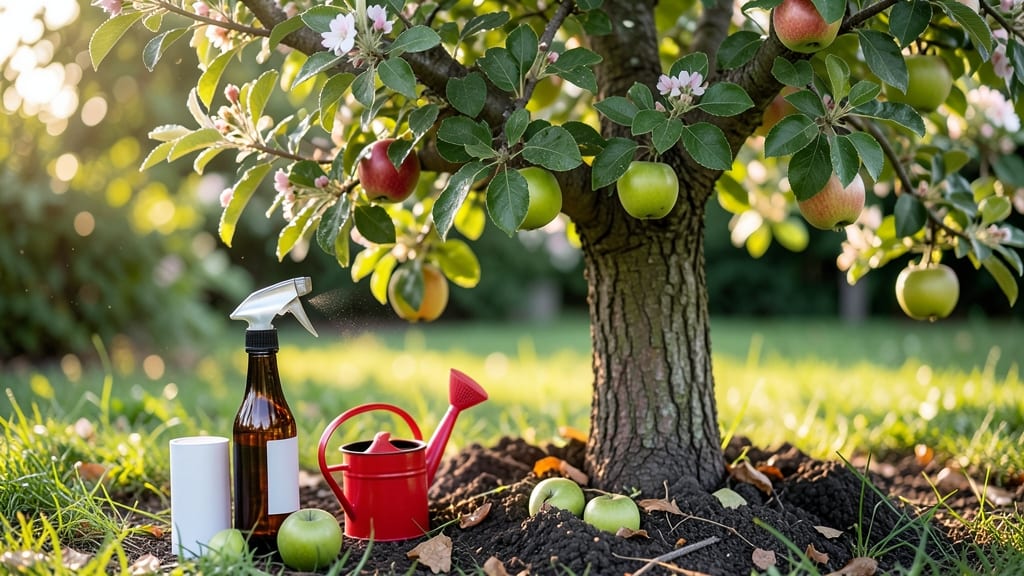
Using apple cider vinegar in gardening boosts plant health by preventing fungal diseases, improving soil structure, and repelling pests while balancing acidity levels. Always dilute it properly—never apply undiluted—to protect delicate plant tissues and roots.
Apple cider vinegar's magic comes from its acetic acid content, which disrupts fungal cell walls and creates an inhospitable environment for mold and mildew. 🌱 When used as a soil amendment, it helps break down organic matter faster, releasing nutrients plants can absorb.
The key is dilution—most plants thrive with a 1:10 vinegar-to-water ratio for foliar sprays, while stronger mixes (1:4) work for soil acidification. I've found it particularly effective for reviving over-alkaline soils where blueberries and azaleas struggle.
For pest control, the acidic nature acts as a natural deterrent without harsh chemicals. A 1:5 dilution sprayed on leaves can fend off aphids and spider mites, though you'll want to test it on a small area first—some plants like tomatoes can be sensitive.
The same solution works wonders for weed control when applied directly to unwanted plants, but avoid spraying on desirable foliage unless you're targeting specific pests.
💡 In This Article
- How Apple Cider Vinegar Works as a Natural Plant Solution
- Best Apple Cider Vinegar Gardening Uses and Mix Ratios
How apple cider vinegar works as a natural plant solution
Apple cider vinegar's power comes from its 5-6% acetic acid content, which acts like a microscopic acid bomb against fungal pathogens.
The acetic acid disrupts fungal cell walls by breaking down their protective membranes, essentially dissolving the "armor" that lets mold and mildew thrive. 🌱 This is why it's so effective against powdery mildew on roses or black spot on tomatoes—the fungi simply can't survive in this acidic environment.
The vinegar also contains trace minerals like potassium and magnesium, which become available to plants when properly diluted, acting as a gentle nutrient boost.
When applied to soil, the vinegar's acidity (pH 2.5-3.5) helps lower alkaline soil pH, making nutrients like iron and manganese more accessible to plants. For example, blueberries and hydrangeas—both acid-loving plants—thrive when soil pH is between 4.5-5.5.
A 1:4 vinegar-to-water ratio applied to the soil surface can gradually acidify the top 2-3 inches over 2-4 weeks, though it's best to test soil pH first with a kit to avoid over-acidification, which can harm beneficial microbes.
The vinegar's role in composting is equally fascinating. When added in small amounts (1 tablespoon per pound of compost), it accelerates the breakdown of organic matter by creating an ideal environment for decomposers.
The acetic acid helps dissolve tough plant fibers, while the mild acidity prevents anaerobic (odor-causing) conditions. 💫 This means your compost pile heats up faster and produces finished compost in about 4-6 weeks instead of the usual 8-12 weeks, with a richer texture and more available nutrients.
For foliar sprays, the vinegar's acidity creates an inhospitable surface for pests like aphids and spider mites.
When sprayed directly on leaves, the 1:10 dilution (1 part vinegar to 10 parts water) forms a thin protective layer that deters insects without harming the plant—though you'll want to avoid spraying in direct sunlight, as the acid can cause leaf burn.
The vinegar also helps dissolve the waxy coatings some pests use to protect themselves, making plants less appealing targets.
What most gardeners don't realize is that the vinegar's effectiveness depends on its "mother" content—the cloudy strands of beneficial bacteria and enzymes in raw, unfiltered apple cider vinegar.
These components enhance its microbial activity, making it more potent for soil health and composting than commercial white vinegar (which lacks these beneficial microbes). For best results, always use raw, organic apple cider vinegar with the mother.
However, there's a critical caveat: the vinegar's acidity can be too harsh for some plants. Succulents, cacti, and many tropical plants have sensitive cell structures that can be damaged by even diluted vinegar.
Always do a patch test on a small leaf area first, and avoid using vinegar on plants with open wounds or recent pruning cuts, as the acid can irritate exposed tissue.