
Planting
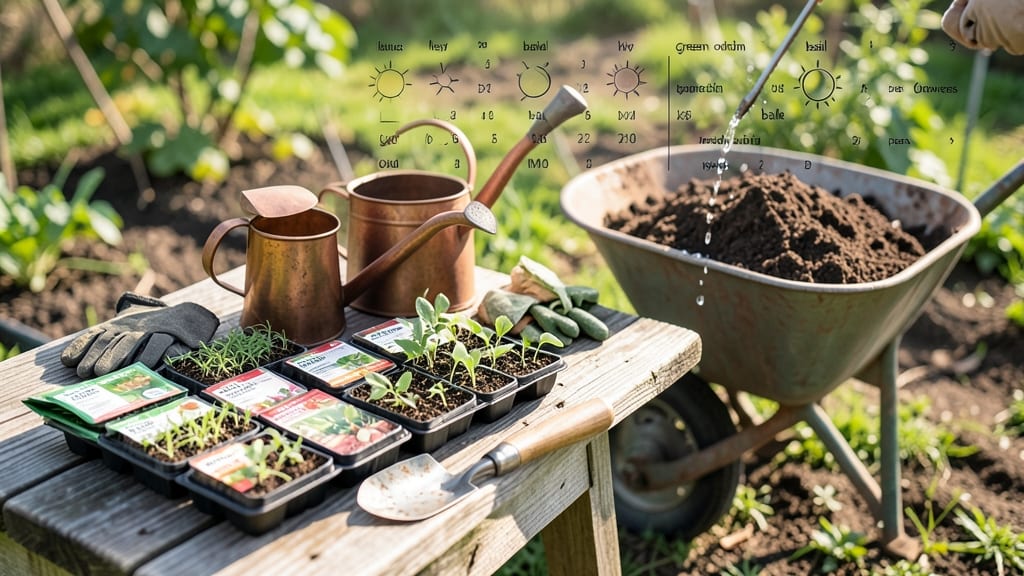
What you can plant in your garden now varies by region and season—cool-season vegetables like lettuce, broccoli, and carrots grow best in early spring or fall, while warm-season crops such as cucumbers and beans require soil temperatures above 60°F. Always check your local frost dates to align planting with your USDA hardiness zone.
Your planting choices should align with your area's last frost date and current weather patterns.
For example, Zone 5-7 gardeners can start cool-season crops like spinach in early spring, while Zone 8-10 may still plant warm-season tomatoes until late spring. 🌱 Many gardeners also use row covers to extend planting windows for heat-sensitive crops in cooler climates.
The key is matching seed packets' recommended soil temperatures with your local conditions.
For quick results, focus on fast-growing radishes or green onions, which mature in as little as 25 days. These are perfect for beginners or small spaces, and they can be harvested multiple times.
I always recommend keeping a planting journal to track what thrives in your specific microclimate—this helps refine your approach year after year.
💡 In This Article
- Seasonal Planting Calendar by USDA Hardiness Zones
- Fast-Growing Vegetables and Herbs for Quick Harvests
Seasonal planting calendar by USDA hardiness zones
The USDA hardiness zones divide North America into 13 distinct regions (3-10), each with unique frost dates and planting windows. For example, Zone 3 (northern climates like Minnesota) has a last frost date around May 15, while Zone 10 (southern Florida) rarely experiences frost.
This means gardeners in Zone 3 can plant cool-season crops like kale as early as March 15, but must wait until June 1 for warm-season tomatoes to avoid frost damage. 🌱
Soil temperature is the critical factor—most warm-season crops (like peppers and cucumbers) require soil above 60°F, while cool-season crops (like spinach and peas) thrive in 45-55°F soil.
You can test soil temperature with a simple soil thermometer or use the "back of the hand" rule: if the ground feels warm to your palm, it's ready for warm-season plants.
Perennials like asparagus and rhubarb, however, can be planted in early spring in Zones 4-9, as they establish roots before summer heat arrives.
Urban gardens often face microclimate challenges—concrete and buildings can create 5-10°F warmer conditions than rural areas. In these cases, start warm-season crops 2-3 weeks earlier than rural guidelines suggest.
For instance, a Zone 6 city garden might safely plant tomatoes by May 1, while a rural Zone 6 farm might wait until May 15. Always observe your garden's specific conditions for 1-2 years to refine your planting schedule.
Frost dates aren't the only consideration—day length matters too. Longer daylight hours in summer trigger faster growth in warm-season crops, while shorter days in fall slow down cool-season plants.
This is why late summer (August-September) is actually an ideal time to plant broccoli or carrots in Zones 5-8—they mature before winter frost. The National Weather Service provides localized frost forecasts, but your own garden observations will become your most reliable guide over time.
Consider these zone-specific examples for current planting:
- Zones 3-5: Plant peas, spinach, and radishes in early spring; wait until after May 15 for tomatoes
- Zones 6-8: Start lettuce in March; plant cucumbers after soil reaches 60°F (typically April 30-May 15)
- Zones 9-10: Plant warm-season crops year-round with proper irrigation; focus on fall planting for winter harvests
For container gardens, use heat-retaining fabrics or black plastic mulch to warm soil 5-10°F faster than open ground. This technique lets you plant warm-season crops 2-3 weeks earlier in cooler zones.
Always pair your planting schedule with a moisture meter—consistent soil moisture is more critical than temperature for seed germination.