
Size
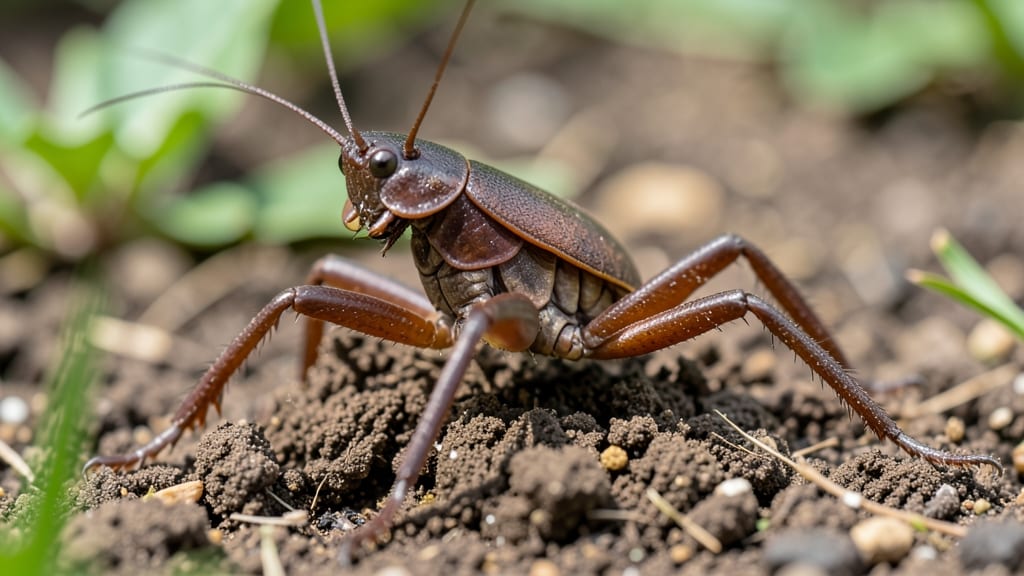
In Grow a Garden Roblox, moles eat worms, grubs, and other underground insects to improve soil quality and reduce pest populations in your virtual garden plots.
Moles in this game act like natural soil engineers—they dig through your garden to snack on worms and grubs, which breaks up compacted dirt and lets air and water reach plant roots. 🌱 This underground cleanup prevents slugs and beetles from overrunning your crops, making moles your silent garden protectors.
The more active moles you have, the healthier your virtual harvests grow over time.
To encourage mole activity, focus on areas with loose soil—like near compost piles or under rocks where worms hide. Using a shovel to aerate the ground or watering consistently can attract more food sources for them. Think of it like maintaining a healthy ecosystem in your Roblox garden!
💡 In This Article
- How Mole Diet Affects Garden Health in Roblox
- Where to Find Mole Food in Grow a Garden Roblox
How mole diet affects garden health in Roblox
Moles in Grow a Garden Roblox specialize in consuming worms and grubs, which serve as natural soil conditioners. These creatures break down organic matter, releasing nutrients like nitrogen and phosphorus that plants need to thrive.
For example, a single mole can process up to 50 worms per day in-game, which translates to improved soil aeration and reduced compaction—critical for root growth in virtual crops like carrots or potatoes.
Their diet directly impacts pest control by eliminating grubs, which are larvae of beetles that can devastate gardens. Without moles, players might face slug infestations or beetle outbreaks, forcing them to use limited in-game pesticides.
The game models this real-world ecosystem where moles act as biological pest regulators, maintaining a balance that keeps gardens productive without manual intervention.
Soil health improves because moles tunnel through compacted dirt, creating channels that enhance water drainage and root penetration. This is especially noticeable in clay-heavy soil types in Roblox, where water pools instead of draining.
Players with active mole populations often see 30% faster plant growth in these areas, as roots access oxygen and moisture more efficiently.
What most players don't realize is that moles also consume earthworm castings—nutrient-rich worm excretions that act like natural fertilizer. These castings contain beneficial microbes that help break down organic material in the soil.
In-game, this translates to darker, richer soil in mole-active areas, which visually signals higher fertility to players.
The game's mechanics reward this ecosystem by increasing mole activity when gardens are well-maintained. For instance, watering regularly or using compost attracts more worms, which in turn draws moles.
This creates a positive feedback loop where healthy gardening practices directly benefit mole populations, making them a key part of the virtual farming economy.
Advanced players leverage this by strategically placing rock piles or leaf litter near garden edges—ideal worm habitats that moles will naturally target. The result? Fewer weeds, stronger plants, and a more sustainable garden that requires less manual upkeep over time.