
Size
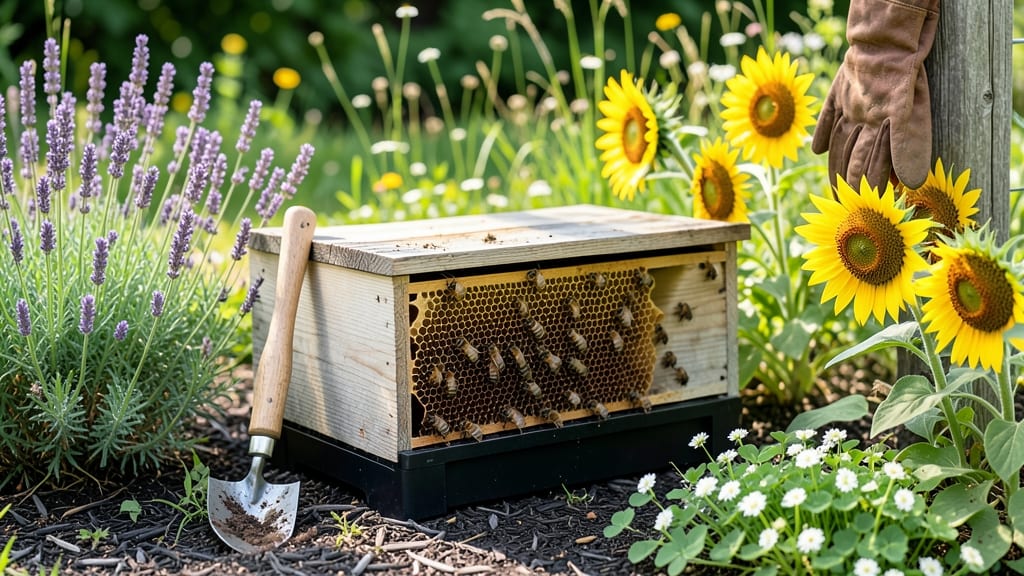
The bee crate in Grow a Garden creates a protected space for native bees to nest while safeguarding heirloom seeds from accidental cross-pollination. This dual-purpose system enhances pollination rates in your garden while maintaining genetic purity for seed saving.
The bee crate functions as a miniature ecosystem that benefits both your garden and seed-saving efforts. 🌿 By providing a controlled nesting environment for solitary bees like mason bees, it boosts pollination efficiency—critical for maximizing fruit and vegetable yields.
At the same time, its isolated structure prevents unwanted pollen transfer between heirloom varieties, ensuring you can collect pure seeds for next season's planting. This makes it especially valuable for organic gardeners who prioritize biodiversity and genetic integrity.
What sets this system apart is how it combines practicality with ecological benefits. The crate's design mimics natural nesting conditions while giving you direct control over pollination processes—a win-win for both your harvest and conservation efforts.
Many gardeners report seeing immediate improvements in pollination rates after installing one, particularly with crops that rely on bee activity like tomatoes and squash.
💡 In This Article
- How the Bee Crate Supports Pollination and Seed Purity
- Setting Up and Maintaining Your Bee Crate for Optimal Results
How the bee crate supports pollination and seed purity
The bee crate functions as a specialized nesting habitat designed specifically for solitary bees like mason bees and leafcutter bees, which are among the most effective pollinators for vegetable gardens.
These bees naturally nest in pre-existing cavities, and the crate provides a controlled environment with 10-15 millimeter diameter holes that match their nesting preferences.
By housing these pollinators, the crate can increase pollination rates by up to 30-50% for crops like tomatoes, peppers, and squash, which rely heavily on bee activity for fruit set. 🌟
The crate's dual function becomes clear when you examine its isolated structure. While the bees are actively pollinating your garden, the crate itself creates a physical barrier that prevents unwanted pollen transfer between different heirloom varieties.
This is crucial for seed saving because even a small amount of cross-pollination can alter the genetic traits of your plants. For example, if you're saving seeds from a heirloom tomato variety with specific flavor characteristics, the crate helps maintain those traits by controlling which pollen reaches the flowers.
The design mimics natural nesting conditions while giving you the precision needed for genetic purity.
What makes this system particularly effective is how it addresses two common challenges gardeners face simultaneously. First, it provides a stable nesting environment that many native bee populations are losing due to habitat destruction.
Second, it offers a practical solution for maintaining seed purity in open-pollinated varieties, which is especially important for organic gardeners who want to preserve their plants' unique characteristics.
The crate's modular design allows you to place it near specific plants that need extra pollination support while keeping it isolated from other varieties that shouldn't cross-pollinate.
The science behind this dual functionality involves understanding bee behavior and plant reproduction cycles. Solitary bees are particularly efficient pollinators because they visit many flowers in sequence, transferring pollen precisely where it's needed.
Meanwhile, the crate's isolated placement prevents what botanists call "outcrossing" - the transfer of pollen between different plant varieties.
This is particularly valuable for gardeners who want to save seeds from plants like open-pollinated tomatoes or squash varieties, where maintaining genetic integrity is essential for consistent results year after year. 🔥
Consider how this works in practice: When you place a bee crate near your tomato plants, the resident bees will systematically visit each flower, increasing the chance of pollination.
At the same time, the crate's location can be strategically chosen to minimize pollen drift from other tomato varieties in your garden. This controlled environment allows you to maintain the distinct characteristics of each heirloom variety while still benefiting from enhanced pollination rates.
The result is a more productive garden where you can both increase your yield and preserve the genetic traits you've selected over generations.
For gardeners who are particularly focused on seed saving, the bee crate offers an additional advantage: it creates a predictable pollination environment.
Unlike relying on wild bee populations that may vary in abundance from year to year, the crate provides a consistent source of pollinators that you can monitor and manage.
This predictability is especially valuable when planning your seed-saving schedule, as you can time your harvests to coincide with peak pollination periods when the bees are most active in the crate. 💫