
Size
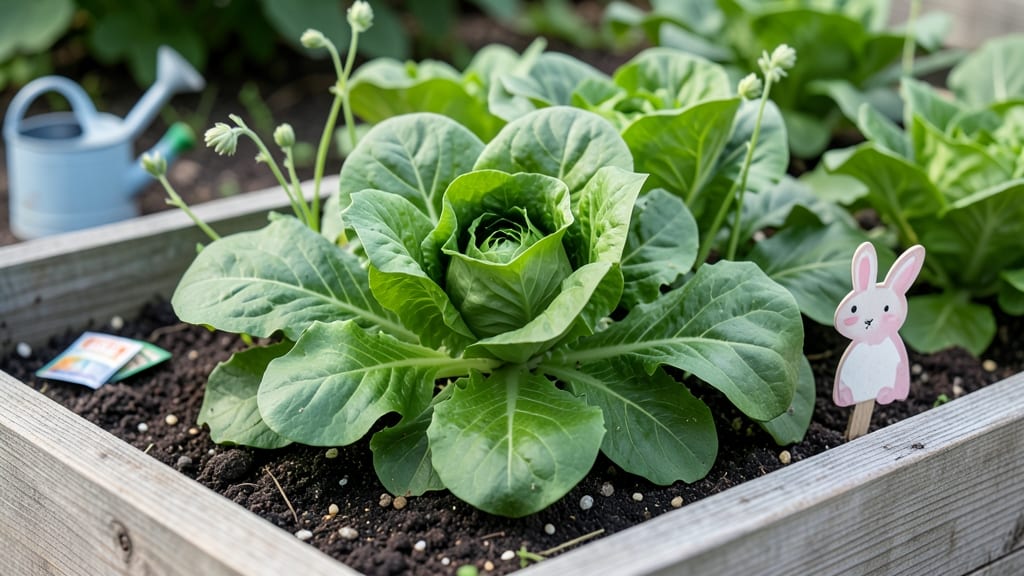
In Grow a Garden, the bunny collects seeds from the garden’s plants, storing them in his burrow to preserve them for future planting—helping maintain the garden’s biodiversity and ensuring new crops grow each season.
The bunny plays a crucial role as nature’s seed saver, ensuring the garden’s plants can regrow year after year. 🌱 By gathering mature seeds and storing them safely, he prevents genetic erosion and keeps heirloom varieties thriving.
This process mirrors how real gardeners preserve seeds to maintain plant diversity and adaptability. The game cleverly teaches players how seed-saving works in a simple, interactive way.
What makes this mechanic special is how it connects to real-world gardening practices. 🌿 In actual gardens, seed collection timing and storage conditions are everything—just like the bunny’s careful approach. This system helps players understand why seed banks exist and how small actions can have big impacts on plant survival.
💡 In This Article
- How Seed-Saving Works in Grow a Garden
- Tips for Mimicking the Bunny’s Seed-Saving in Real Gardens
How seed-saving works in Grow a Garden
The bunny’s seed-saving mission in Grow a Garden mirrors real-world botanical processes, where seeds are collected at their peak maturity to ensure viability. When plants like tomatoes or beans reach the end of their growing cycle, their seeds enter a dormant state—ready for storage.
The bunny’s actions trigger this natural transition by harvesting seeds when they’re fully dry and hardened, typically 30-60 days after flowering, depending on the plant species. This timing is critical because premature seeds won’t germinate, while overripe ones may lose genetic integrity.
Once collected, the seeds are stored in the bunny’s burrow, replicating how gardeners use airtight containers with 5-10% humidity and temperatures around 32-41°F to prevent mold and maintain dormancy.
The game simplifies this by showing the bunny tucking seeds away—just like how real seed banks preserve biodiversity by isolating seeds from different plant varieties. This prevents cross-contamination that could alter genetic traits over generations, ensuring crops retain their original characteristics.
The bunny’s role also highlights how seed-saving combats genetic erosion. In nature, only a fraction of seeds survive to reproduce, but the bunny’s careful collection mimics how humans have cultivated plants for thousands of years.
For example, heirloom tomato varieties like Brandywine or Cherokee Purple rely on seed-saving to maintain their unique flavors and disease resistance. Without this practice, these varieties could disappear, replaced by hybrid seeds optimized for shelf life rather than taste or adaptability.
What’s fascinating is how the game teaches players about plant life cycles. The bunny doesn’t just collect seeds randomly—he targets plants that have completed their reproductive cycle, often signaled by dried seed pods or wilting leaves.
This attention to detail reflects how real gardeners wait for seeds to turn a specific color (like brown for beans or red for tomatoes) before harvesting. The game’s mechanics subtly educate players on why timing matters: seeds harvested too early won’t grow, while those left too long may lose viability.
Beyond preservation, the bunny’s actions demonstrate how seed-saving supports ecological resilience. By storing seeds, the bunny ensures the garden can rebound after pests, droughts, or other challenges—just like how seed banks safeguard global food security.
This mirrors real-world examples, such as the Svalbard Global Seed Vault, which stores millions of seeds to protect against agricultural crises. The game’s simplicity makes these complex concepts accessible, showing players how small actions (like seed collection) contribute to larger ecological goals.
One standout detail is how the game visualizes seed dormancy. When the bunny stores seeds, they appear dormant but ready to sprout—just like real seeds that can remain viable for years under the right conditions.
This teaches players that seeds aren’t just for immediate planting; they’re a bridge between seasons, connecting the past harvest to future growth. The game’s design cleverly reinforces that seed-saving isn’t just about storage—it’s about maintaining the garden’s legacy for generations to come. 🌱