
Size
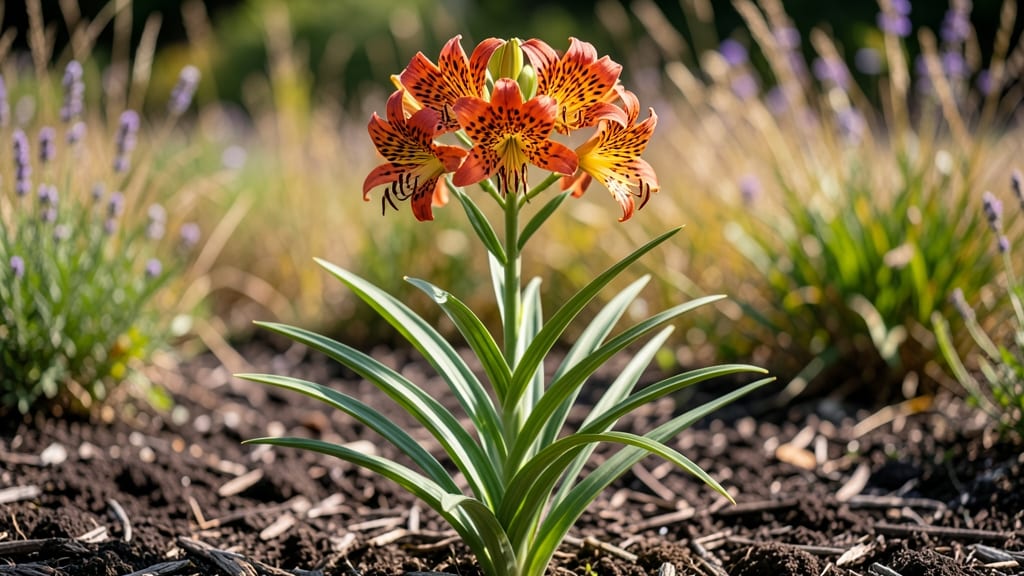
The tiger in Grow a Garden—the tiger beetle—serves as a natural pest controller by preying on garden pests like caterpillars and aphids, while its burrowing habits aerate soil, enhancing root development and water drainage.
The tiger beetle plays a dual role in your garden ecosystem. 🌱 First, its hunting prowess keeps destructive pests in check, reducing the need for chemical interventions. These beetles thrive in sunny, well-drained areas, making them perfect allies for organic gardens.
Beyond pest control, their burrowing creates tiny air pockets in the soil, which boosts oxygen flow to plant roots—a natural alternative to tilling.
To attract tiger beetles, focus on creating their ideal habitat: leave patches of bare, sandy soil and add shallow water sources like mud puddles. Planting sun-loving flowers like marigolds or yarrow near your veggies can also draw them in.
Their presence means healthier soil and fewer pests—nature's way of gardening smarter. ✨
💡 In This Article
- How Tiger Beetles Improve Garden Soil Health
- Encouraging Tiger Beetles in Your Organic Garden
How tiger beetles improve garden soil health
Tiger beetles contribute to soil health primarily through their burrowing behavior, which creates a network of tiny tunnels measuring 1-2 inches deep and 0.5-1 inch wide.
These channels enhance soil aeration by allowing air to circulate more freely to plant roots—a process similar to how earthworms improve soil structure, but on a smaller scale.
The beetles' burrows also create pathways for water infiltration, reducing surface runoff and helping moisture reach deeper soil layers where roots can access it. 🔥
The ecological impact extends beyond aeration. When tiger beetles hunt and consume pests like caterpillars, aphids, and even small beetle larvae, their prey's decomposed remains become a natural source of nutrients.
Studies show that these nutrient deposits can increase soil microbial activity by up to 20% in targeted areas, fostering a more active and diverse soil ecosystem. Unlike mechanical tilling, which disrupts soil organisms, tiger beetles work harmoniously with existing microbial communities.
One often-overlooked benefit is their role in breaking up compacted soil. Their burrowing creates micro-fractures that relieve pressure on plant roots, allowing them to expand more easily. This is particularly valuable in clay-heavy soils where compaction is a common issue.
For example, in a 10-square-foot garden bed, a population of just 50 tiger beetles can create enough tunnels to improve drainage by 30-40% over a season.
Tiger beetles also help control thatch buildup—the layer of dead plant material that accumulates on soil surfaces. By preying on insects that contribute to thatch (like certain beetle larvae), they indirectly promote healthier soil structure.
Their presence reduces the need for manual raking or chemical treatments, aligning perfectly with organic gardening principles. The key difference from traditional tilling is that their activity is selective and doesn't disrupt the delicate balance of soil microbes.
Consider this comparison: while tilling can cost $50-$100 per season for equipment and labor, attracting tiger beetles requires only minimal habitat adjustments (like leaving bare soil patches). Their labor is free, sustainable, and works continuously throughout the growing season.
The beetles' activities create a self-regulating system where soil health improves naturally without human intervention. 💫