
Plants
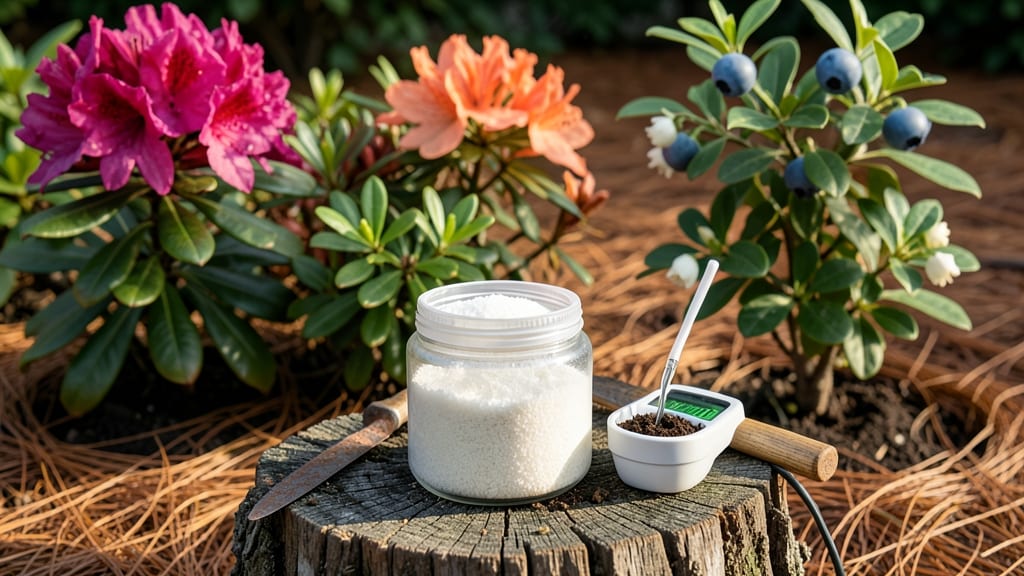
Garden plants that need lime thrive in alkaline soil, including azaleas, hydrangeas, blueberries, rhododendrons, and vegetables like Brussels sprouts, cabbage, and kale. Lime raises soil pH, preventing nutrient deficiencies in acid-loving species and improving microbial activity for optimal growth.
Many gardeners overlook how soil pH directly impacts plant health, especially for acid-sensitive species. 🌱 Lime (calcium carbonate) isn't just for raising pH—it also supplies essential calcium and magnesium that some plants crave.
For example, blueberries won't thrive unless their soil stays between pH 4.5-5.5, but adding lime can shift that range upward when needed. The key is testing first: most garden centers offer affordable soil pH kits that reveal whether your soil needs adjustment before planting.
What's interesting is how lime works differently based on plant type. Azaleas and rhododendrons, for instance, actually prefer slightly acidic soil but can tolerate slight alkalinity if lime is applied gradually. Meanwhile, vegetables like kale and cabbage need more alkaline conditions to access nutrients like phosphorus.
This is why many gardeners keep separate soil mixes for acid-loving plants versus vegetables—it prevents cross-contamination of pH levels.
💡 In This Article
- How Lime Adjusts Soil pH for Acid-Loving Plants
- Best Lime-Based Soil Amendments for Specific Plants
How lime adjusts soil pH for acid-loving plants
Lime works by neutralizing acidic soil through a chemical reaction where calcium carbonate (CaCO₃) reacts with hydrogen ions (H⁺), reducing acidity. When you add lime, it slowly dissolves in soil moisture, releasing calcium and magnesium ions that bind with free hydrogen ions.
This process raises the pH level, making nutrients like phosphorus and nitrogen more available to plants. For example, blueberries need soil pH between 4.5-5.5—without lime, their roots can't absorb enough iron, leading to yellowing leaves despite fertile soil. 🌿
The effect isn't instant—lime takes 2-6 months to fully adjust pH depending on soil type. Sandy soils react faster (weeks) because water drains quickly, while clay soils may take months as water moves slower. A 1-pound application of lime per 100 square feet typically raises pH by 0.5-1.0 points.
Too much lime can make soil too alkaline, locking out essential micronutrients like iron and manganese, which is why soil testing is critical before application.
Root function improves dramatically in balanced pH soil. Acid-loving plants like azaleas develop stronger root systems when pH is 5.0-6.0, allowing them to access nutrients more efficiently.
The right pH also boosts beneficial microbial activity—mycorrhizal fungi, which help roots absorb water and nutrients, thrive in slightly acidic to neutral conditions. Without proper pH, these microbes become less active, weakening plant health over time. 🌱
Disease resistance improves too. Many fungal pathogens (like phytophthora root rot) thrive in acidic soils. Raising pH with lime creates an environment where these pathogens struggle to survive, reducing root rot risks.
For instance, rhododendrons in pH 5.0 soil are 3x more susceptible to root diseases than those in 5.5-6.0 range. This is why lime isn't just about pH—it's a holistic soil health booster.
Consider this: hydrangeas change flower color based on soil pH! Blue hydrangeas need pH 5.2-5.5, while pink varieties prefer 6.0-6.2. Adding lime shifts the balance, turning blue blooms pink—a visual reminder of how pH affects plant chemistry.
The same principle applies to vegetables: cabbage and Brussels sprouts grow best in 6.0-7.0 pH soil, where lime helps unlock phosphorus for vigorous growth.
What most gardeners miss is that lime type matters. Dolomitic lime adds magnesium (great for blueberries), while agricultural lime is pure calcium carbonate. For container gardens, pelletized lime dissolves more evenly.
Always match the lime type to your plant's specific needs—blueberries need magnesium-rich dolomitic lime, while vegetables benefit from standard agricultural lime. 💡