
Planting
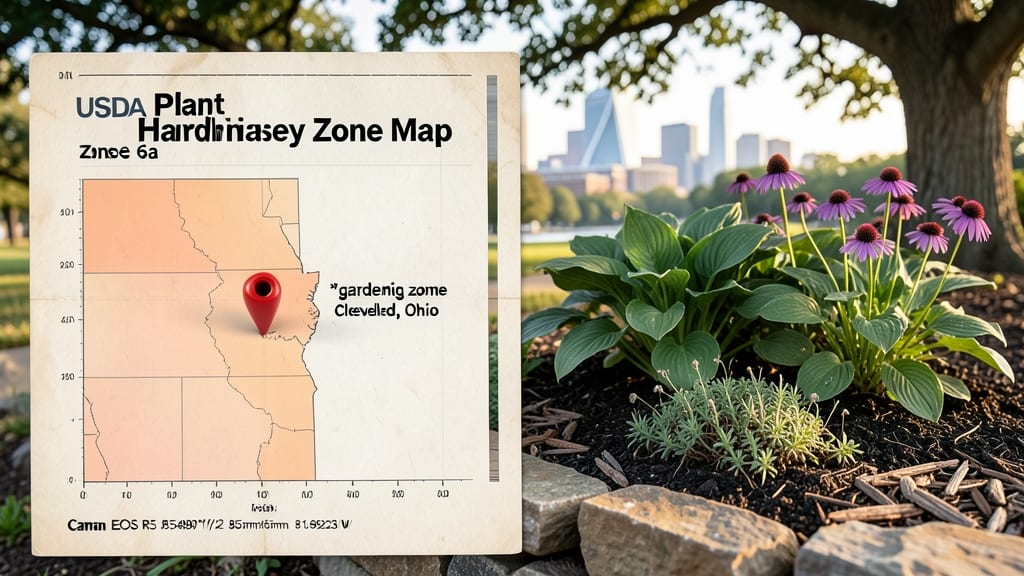
To determine Cleveland, Ohio's gardening zone, it falls primarily in USDA Hardiness Zones 5b and 6a, with average winter lows ranging from -15°F to 5°F, which directly impacts what plants can thrive year-round.
Cleveland's zone classification comes from decades of temperature records, including the city's lake-effect snow that pushes winter lows colder than inland areas. 🌡️ The USDA map accounts for these extremes, which is why you'll see frost-sensitive plants like peppers struggling unless started indoors.
I've found that even within Cleveland, neighborhoods near Lake Erie can experience 1-2°F colder minimum temperatures than areas further inland, creating microclimates worth noting for gardeners.
This zone range explains why perennial flowers like coneflowers thrive with minimal winter protection, while tomatoes and basil often need to be started indoors or transplanted after the last frost date (typically around May 15).
The 5°F difference between 5b and 6a also means gardeners in the northern parts of Cleveland should choose slightly hardier varieties than those in the southern suburbs.
💡 In This Article
- How Cleveland’s Climate Shapes USDA Gardening Zones
- Best Plants for Cleveland’s Zone 5b/6a Gardens
How Cleveland’s climate shapes USDA gardening zones
Cleveland’s zone classification isn’t just about average temperatures—it’s heavily influenced by Lake Erie’s presence. The lake acts like a giant heat sink, moderating winter temps near its shores while creating what’s called lake-effect snow.
This phenomenon dumps an extra 30-50 inches of snow annually in neighborhoods like Edgewater compared to inland areas, pushing winter lows closer to -15°F instead of -10°F.
The USDA accounts for these extremes by using 30-year temperature averages, which is why Cleveland spans both 5b and 6a—the 5°F difference between them reflects these microclimates.
The USDA’s zone mapping also considers annual extreme minimum temperatures, which in Cleveland can drop to -20°F during polar vortex events. This explains why even hardy plants like Russian sage may need winter mulch in exposed areas, while black-eyed Susans thrive with minimal protection.
The lake’s influence doesn’t stop at winter—it also delays spring frosts by 1-2 weeks in lakeshore areas, giving gardeners a slightly extended growing season. 🌊 This is why last-frost dates vary from May 5 in northern Cleveland to May 15 in the southern suburbs.
For gardeners, understanding these variations means choosing plants that match their specific microclimate. A backyard in Zone 5b (like University Heights) might struggle with tender perennials like lavender, while a Zone 6a spot (like Beachwood) could support them with proper winter care.
The USDA’s 10°F increments between zones might seem small, but they translate to critical survival differences—especially for woody plants that can’t recover from deep freezes. That’s why serviceberry bushes thrive in Cleveland’s zones, while olive trees require container growing or winter protection.
Another key factor is Cleveland’s temperature fluctuations. The city experiences rapid swings between day and night temps, particularly in spring and fall, which can stress plants. For example, a 70°F daytime in April might drop to 35°F at night—a 35°F difference that can damage emerging shoots.
This is why gardeners here often use row covers or cold frames to protect seedlings during these transitions. The USDA zones help predict these risks by categorizing areas based on historical survival rates of specific plants, not just average temps.
Here’s how these factors play out in real gardening scenarios:
- Zone 5b (colder areas): Expect 100-120 frost-free days annually, limiting warm-season crops like sweet corn to late June planting
- Zone 6a (warmer areas): Can support 140+ frost-free days, allowing for two cuttings of zucchini in a season
- Lakeshore effect: 1-2°F colder winters but earlier spring greening due to lake warmth
The bottom line? Cleveland’s zones reflect a delicate balance between lake influence and inland climate. While the USDA provides a starting point, local observations—like tracking your own last frost date for 3 years—often reveal even finer distinctions.
That’s why successful Cleveland gardeners treat zones as guidelines, not absolute rules, especially when pushing the limits with unusual plants like fig trees or blueberries. 🌱