
Tools
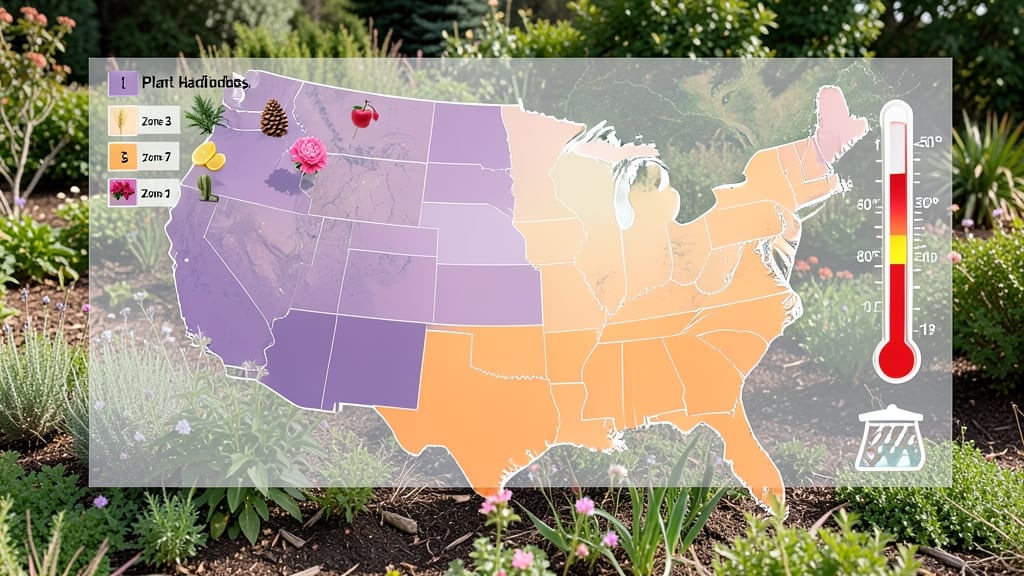
Understanding US climate zones for gardening means using the USDA Plant Hardiness Map, which organizes the country into 13 temperature-based zones to guide plant selection and planting timing for your specific region.
The USDA Plant Hardiness Map helps gardeners match plants to their local climate by focusing on the coldest average winter temperatures. 🌱 For example, Zone 1 (Alaska) can handle plants that survive -60°F, while Zone 11 (Florida) thrives in 40°F+ conditions.
This system isn't just about temperature—it accounts for frost dates, seasonal shifts, and even microclimates within regions. Knowing your zone ensures you choose plants that will flourish without constant struggle, saving time and resources in the long run.
Beyond just picking the right plants, your zone influences everything from planting schedules to soil preparation.
Northern gardeners in Zones 3-5 often focus on cold-hardy perennials and early-season vegetables, while Southern gardeners in Zones 8-11 can extend growing seasons with heat-tolerant varieties. 💧 The map even helps with troubleshooting—if your plants keep dying in winter, you might be pushing the limits of your zone's hardiness.
Always check the updated map, as zones can shift slightly over time due to climate changes.
💡 In This Article
- How the USDA Plant Hardiness Zones Determine Garden Success
- Zone-Specific Planting Strategies for Thriving Gardens
How the USDA plant hardiness zones determine garden success
The USDA Plant Hardiness Zone Map isn't just about average winter temperatures—it's a sophisticated system that accounts for the last average spring frost date and first average fall frost date in each region.
Scientists analyze 30 years of weather data to calculate these zones, which range from Zone 1 (-60°F) in Alaska to Zone 13 (100°F+) in Hawaii. This precision matters because plants have specific temperature thresholds for dormancy and growth.
For example, a peach tree in Zone 5 can survive -20°F winters, but in Zone 8 (10-15°F), it would likely die back to the ground annually.
Microclimates add another layer of complexity to zone-based gardening. A south-facing wall can create a Zone 3 microclimate in an otherwise Zone 5 area, allowing you to grow plants that wouldn't normally survive. Similarly, urban heat islands can push temperatures 5-10°F higher than rural areas just a few miles away.
This is why gardeners in transitional zones (like Zone 6b/7a) often experiment with season extenders like cold frames or row covers to protect tender plants during late frosts. The map's 10°F increments between zones might seem small, but they represent significant differences in plant survival rates.
Zone transitions also impact planting schedules dramatically.
In Zone 4 (-30°F to -20°F), gardeners typically wait until after the last frost date (mid-May in most areas) to plant warm-season crops like tomatoes, while Zone 9 (20-30°F) gardeners can start seeds indoors as early as January for a longer growing season.
The map's data helps determine hardiness ratings on plant tags—those "Zone 5-9" labels mean the plant can survive the coldest winter in those zones but may struggle in Zone 4 or 10. This is why zone knowledge prevents costly mistakes like planting tropical hibiscus in Boston.
What most people don't realize is how soil temperature interacts with zone designations. While the map focuses on air temperatures, soil stays warmer or colder longer due to its thermal mass. In Zone 7, soil might remain 50°F+ for planting in early March when air temps are still 35°F.
This is why gardeners in transitional zones often use soil thermometers to time planting more accurately than relying solely on air temperature forecasts. The science here involves understanding how heat capacity of different soils (sandy vs clay) affects root zone temperatures differently.
For gardeners in Zone 10 and above, the challenge shifts from cold protection to heat management. These areas experience fewer than 360 frost-free days annually, meaning some plants may go dormant in summer heat rather than winter cold.
Mulching with straw or wood chips helps maintain even soil temperatures, while drip irrigation systems prevent heat stress in vegetables like okra that thrive in 85-100°F conditions. The zone system here becomes about heat tolerance ratings rather than cold hardiness.
One often-overlooked factor is how elevation changes zones within short distances. A mountain town in Zone 6 might have Zone 4 conditions just 1,000 feet higher up, while valley floors remain in Zone 7.
This is why the USDA map includes elevation adjustments—every 1,000 feet gain roughly equals one zone colder. For example, Denver (Zone 5) has neighborhoods where gardeners in Zone 4 can successfully grow potatoes that would struggle in lower-elevation areas of the same city.