
Planting
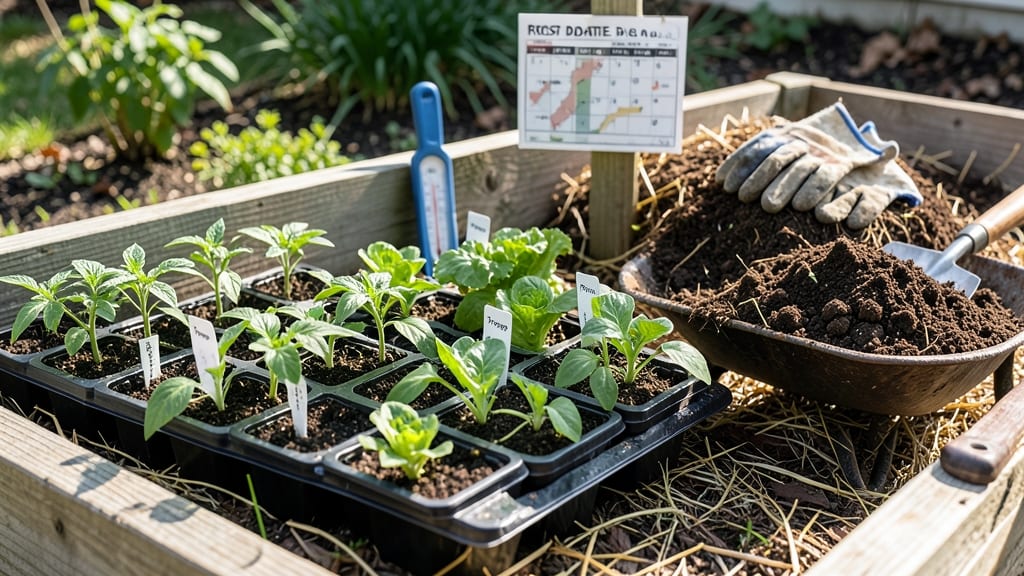
The best time to plant a garden in Ohio is after your last average frost date—typically mid-April for most of the state, with zone 6a-6b gardeners waiting until soil warms to 50°F for cool-season crops.
Ohio’s unpredictable spring weather can leave gardeners guessing—plant too early, and frost will strike; too late, and you’ll miss peak harvests. But with the right frost-free timeline tailored to Ohio’s hardiness zones, you can maximize your garden’s success.
Cool-season crops like spinach and peas thrive when planted in early spring, while warm-season favorites such as tomatoes and peppers need to wait until late spring or early summer. Understanding your zone’s frost dates and soil temperatures is the key to avoiding common mistakes.
In this guide, you’ll discover the exact planting windows for Ohio’s 6a-6b zones, plus tips for adjusting to late frosts, extending seasons, and choosing the right crops for your microclimate. Let’s get growing!
Ohio’s frost-free planting timeline by hardiness Zone (2024 guide)
Ohio spans USDA hardiness zones 5-7, creating a 14-day difference in last frost dates from north to south. Knowing your zone helps you time plantings for maximum frost-free growing days—critical for warm-season crops like tomatoes and peppers.
In Zone 5, last frost typically arrives April 20-25, while Zone 7 gardeners can start planting 2 weeks earlier (April 5-10).
Soil temperature matters just as much as air temperature. Cool-season crops like lettuce and peas thrive when soil reaches 40°F, while warm-season crops need 60°F+ before planting. Use a soil thermometer to avoid chilly soil shock that stunts growth.
Ohio’s humidity and clay-heavy soils also mean you’ll need to adjust watering and mulching based on your zone’s specific conditions.
Below is your zone-specific planting timeline, including last frost dates, ideal planting windows, and top crops for each zone. Bookmark this for your 2024 garden planning—it’s your roadmap to frost-free success!
| Zone | Last Frost Date | First Frost Date | Cool-Season Planting Window | Warm-Season Planting Window | Top Crops for Zone |
|---|---|---|---|---|---|
| Zone 5 (Northeast OH) | April 20-25 | October 10-15 | March 15 - April 15 | May 15 - June 1 | Peas, Spinach, Broccoli, Potatoes, Kale |
| Zone 5b (North-Central OH) | April 15-20 | October 15-20 | March 20 - April 10 | May 1 - May 15 | Lettuce, Carrots, Radishes, Onions, Cabbage |
| Zone 6a (Central OH) | April 10-15 | October 20-25 | March 25 - April 5 | April 25 - May 10 | Tomatoes, Peppers, Cucumbers, Beans, Zucchini |
| Zone 6b (South-Central OH) | April 5-10 | October 25-30 | March 30 - April 1 | April 20 - April 30 | Basil, Eggplant, Okra, Sweet Corn, Green Beans |
| Zone 7a (Southwest OH) | April 1-5 | November 1-5 | April 1 - March 25 | April 15 - April 25 | Melons, Peppers, Tomatoes, Okra, Sweet Potatoes |
| Zone 7b (Southeast OH) | March 25 - April 1 | November 5-10 | April 1 - March 30 | April 10 - April 20 | Peppers, Eggplant, Basil, Okra, Southern Peas |
In Zone 5, focus on cool-season crops first—plant peas and spinach as early as mid-March under row covers. By late April, you can safely direct-sow broccoli and cabbage.
Wait until after May 15 to plant tomatoes and peppers, as they won’t tolerate frost. Use black plastic mulch to warm soil faster in colder zones.
Gardeners in Zone 6 have a 2-week advantage—start warm-season crops like cucumbers and beans by late April. Test soil temperature daily; if it’s below 60°F, delay planting until soil warms naturally.
In Zone 7, you can even direct-sow tomatoes by mid-April if nights stay above 50°F. This zone also supports longer growing seasons for crops like sweet potatoes and okra.
For all zones, extend your season with row covers or cold frames. In Zone 5, these can add 2-3 weeks to your growing season, while Zone 7 gardeners might use them to protect fall crops from early frost.
Always check local weather forecasts—a late frost in Zone 6 can still hit May 10, so have frost cloth ready.
Pro tip: Start seeds indoors 4-6 weeks before your last frost date. Zone 5 gardeners should begin tomato and pepper seeds by mid-March, while Zone 7 can wait until early April. Use grow lights if natural light is limited—seedlings need 12-14 hours of light daily.
Don’t forget fall planting! In Zone 5, you can still direct-sow cold-hardy crops like spinach and radishes until September 1. Zone 7 gardeners have until October 15 for broccoli and kale. Use mulch heavily to insulate soil and protect roots from early autumn frosts.
Track
How to adjust planting times for Ohio’s unpredictable weather patterns
Ohio’s unpredictable spring and late-frost surprises can turn a gardener’s hopes into heartbreak overnight. Even experienced gardeners in USDA Zones 5-7 need flexible strategies to protect tender seedlings. The key lies in understanding microclimates—urban heat islands warm up faster than rural areas, and south-facing slopes stay frost-free longer.
For early spring plantings, I start by monitoring soil temperatures—most cool-season crops like spinach and peas need at least 40°F soil.
In my Zone 6b garden, I’ve learned to plant hardy greens as soon as the ground thaws (often by mid-March), but I wait until mid-April for tomatoes and peppers. The difference? Row covers and cold frames let me extend the season by 3-4 weeks.
⚠️ callout warning ⚠️
🌡️ 3 Warning Signs Frost Is Coming (Act Fast!)
- 🌬️ Wind shifts from southwest to northwest—cold air follows.
- 🌙 Dew forms but doesn’t evaporate by mid-morning (below 32°F air temp).
- 🐞 Earthworms retreat deep into soil—24-hour frost warning.
Pro Tip: Cover plants with lightweight row fabric if frost is predicted—it raises temps by 5-8°F.
Urban gardeners have an advantage: concrete and buildings absorb heat during the day and radiate it at night, delaying frost by 1-2 weeks compared to rural areas. I test this every year by planting basil in pots near my brick garage—it thrives 2 weeks earlier than my in-ground beds.
For rural gardens, I recommend elevated beds or black plastic mulch to warm soil faster.
When adjusting planting times, I use the "10-day rule": If the 10-day forecast shows consistent warmth, I’ll plant heat-lovers like cucumbers or squash. But if nighttime temps dip below 50°F, I delay until after May 15th.
For fall plantings, I mark October 1st as my cutoff—anything planted after that risks first frost before harvest.
For late-season crops, I rely on low tunnels or hoop houses to keep kale and carrots growing until Thanksgiving. Last year, my broccoli under a tunnel produced heads in December—unheard of in Ohio!
The secret? Clear plastic traps heat, and ventilation flaps prevent overheating. Even a $20 hoop house can add 4-6 weeks to your harvest window.
Track your local microclimate for 3 years to spot patterns. In my Zone 6b yard, the south-facing raised bed stays frost-free 10 days longer than the north side.
By noting these differences, I’ve learned to plant tomatoes in the warmest spot 2 weeks earlier than the average last frost date—and still avoid frost damage. Your garden’s unique conditions matter more than generic planting charts!