
Planting
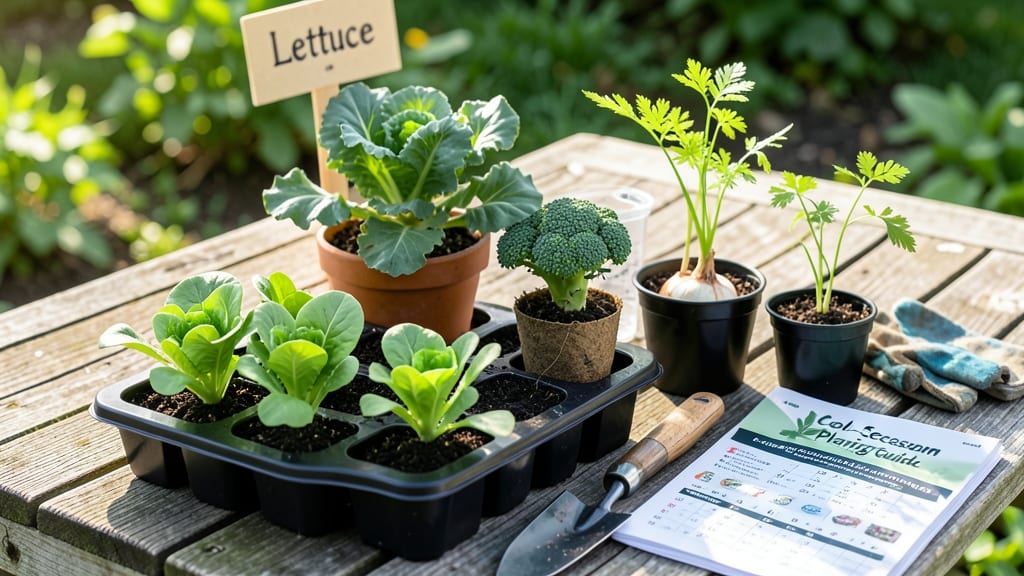
Planting a garden in Ohio at the right time means the difference between a bountiful harvest and a sad pile of frost-bitten seedlings.
Ohio’s unpredictable spring weather can turn a gardener’s dream into a nightmare—unless you know the exact planting windows for your specific zone. Timing is everything when it comes to maximizing yield and avoiding frost damage, and Ohio’s diverse microclimates demand precision.
From the cool-season crops that thrive in early spring to the warm-season favorites that need summer heat, each plant has its own deadline.
Whether you’re in the chilly USDA Zone 5 of northern Ohio or the milder Zone 7 of the south, getting the timing right ensures your garden grows fast and strong.
In this guide, I’ll break down the best months to plant everything from lettuce to tomatoes, plus how to adjust for Ohio’s quirks—like late frosts or early heatwaves—so you can enjoy a garden that’s always one step ahead of the weather.
Ohio planting zones explained: when to start cool vs. warm-season crops
Ohio spans USDA Plant Hardiness Zones 5-7, meaning gardeners must account for last frost dates that vary by region. Northeast Ohio (Zone 5) typically sees its average last frost around April 25-May 10, while Southeast Ohio (Zone 6-7) often warms up by April 10-April 25.
Central Ohio falls in between, with April 15-May 1 as the critical window. These dates separate cool-season crops (like lettuce and peas) from warm-season crops (like tomatoes and peppers) that need soil temperatures above 60°F.
Understanding your zone helps you avoid frost damage to tender plants while maximizing the growing season. For example, spinach and kale thrive in cool weather but bolt when temperatures rise. Meanwhile, beans and squash need warmth to germinate. Knowing these distinctions ensures your garden thrives year after year.
| Region | USDA Zone | Last Frost (Avg.) | Cool-Season Start | Warm-Season Start |
|---|---|---|---|---|
| Northeast Ohio | 5 | April 25-May 10 | March 15-April 15 | May 15-June 1 |
| Central Ohio | 6 | April 15-May 1 | March 1-April 15 | May 1-May 15 |
| Southeast Ohio | 6-7 | April 10-April 25 | February 28-April 1 | April 20-May 1 |
*Dates are approximate; always monitor local forecasts for adjustments.
Cool-season crops like broccoli, carrots, and peas should be planted 4-6 weeks before your last frost date. In Northeast Ohio, this means starting seeds indoors by March 1 or sowing directly in early March.
These crops tolerate light frosts and even thrive in 50-65°F soil temperatures. For Southeast Ohio, you can start even earlier, with some gardeners sowing spinach as early as February 28 under row covers.
Warm-season crops, however, demand patience. Tomatoes, peppers, and cucumbers need soil temperatures above 60°F to germinate, which typically occurs after your last frost date. In Central Ohio, this means waiting until May 1 to plant seeds outdoors or transplant seedlings.
For Northeast Ohio, hold off until May 15 to avoid frost damage. Starting these crops indoors 6-8 weeks before transplanting gives them a head start.
One of my favorite tricks is using biodegradable row covers to extend the planting window for both cool and warm-season crops. For example, in Zone 5, you can plant lettuce under a cover in early March and remove it once soil warms up.
Similarly, tomato seedlings can be transplanted under a cover in late April, giving them a 2-week jump on the season. This flexibility is especially helpful in Ohio’s variable climate.
Don’t overlook fall planting for cool-season crops like kale, radishes, and turnips. These can be sown 8-10 weeks before your first frost date, which in Northeast Ohio is around October 15-November 1.
In Southeast Ohio, you can push this to November 15 for hardier varieties. Fall planting often yields sweeter, more tender produce because cooler temperatures reduce bitterness in greens like arugula and mustard greens.
To determine your exact planting dates, check the Ohio State University Extension’s frost date maps or use a local weather station for real-time updates. I always bookmark my county’s extension office page for last frost alerts—it’s saved me from losing entire plantings to unexpected cold snaps.
For example, in 2022, a late frost in early May wiped out unprotected tomato seedlings in my Zone 6 garden, but my peas and spinach thrived because they were planted early enough.
Pro tip: Use a soil thermometer to confirm when your soil is ready for warm-season crops. Aim for 60°F for peppers, 65°F for tomatoes, and 70°F for squash. In my experience, waiting for the right temperature prevents seed rot and ensures strong germination.
For cool-season crops, focus on soil drainage—these plants hate soggy roots, so amend clay soil with compost or sand before planting.
Finally, keep a gardening journal to track your planting dates and outcomes. Note which crops succeed in your zone and which struggle. For instance, I’ve found that Swiss chard bolts quickly in Southeast Ohio’s heat, so I now plant it in early spring and late summer for fall harvests.
Adjusting your schedule based on past successes—and failures—is the key to a high-yield Ohio garden.
Month-by-month planting calendar for Ohio gardens: what to sow each week
Ohio’s gardening season isn’t just about planting—it’s about strategic timing to beat frost and maximize growth. My calendar breaks down week-by-week actions for Ohio’s USDA Zones 5-7, including when to start seeds indoors, transplant seedlings, and sow directly into the garden.
For example, cool-season crops like spinach and peas can handle Ohio’s early spring, while tomatoes and peppers need warm soil—so knowing the last frost dates (typically April 15-May 1) is critical.
I’ll also highlight herbs and flowers that thrive in Ohio’s climate, like basil and marigolds, with their ideal planting windows.
- March: Start cool-season seeds (lettuce, spinach) indoors. Harden off seedlings by late March.
- April: Sow peas and radishes directly outdoors after soil reaches 40°F. Transplant onions and broccoli.
- May: Plant warm-season crops (tomatoes, peppers) after last frost (use row covers if needed). Direct-sow beans and cucumbers.
- June: Sow fall crops (kale, carrots) for late harvest. Transplant herbs like basil and flowers like marigolds.
- July-August: Succession plant bush beans and lettuce every 2 weeks. Start cool-season seeds indoors for fall garden.
- September: Plant garlic and spring onions for next year. Direct-sow spinach and arugula.
- October: Cover hardy greens (kale, Swiss chard) with frost cloth to extend harvest.
Ohio’s northern regions (Zone 5) should wait until mid-May for warm-season crops, while southern Ohio (Zone 7) can plant tomatoes by early April under row covers. Always check your local frost dates—they can vary by 1-2 weeks depending on elevation and microclimates.
Pro tip: Use seed-starting trays for tomatoes and peppers 8-10 weeks before your last frost date. For direct-sown crops like beans, wait until soil temperatures hit 60°F—a soil thermometer is your best friend here. Overplanting seeds and thinning later saves space and reduces waste.
Don’t forget herbs and flowers! Basil loves Ohio’s summer heat but bolts quickly—sow it after May 15 for best results. Marigolds, planted in early summer, deter pests and add vibrant color. For perennials like asparagus, plant crowns in early spring (March-April) for a 3-year harvest.
By following this calendar, you’ll avoid the heartbreak of frost-killed seedlings and enjoy a garden that’s always one step ahead of Ohio’s unpredictable weather. Happy planting! 🌱