
Tools
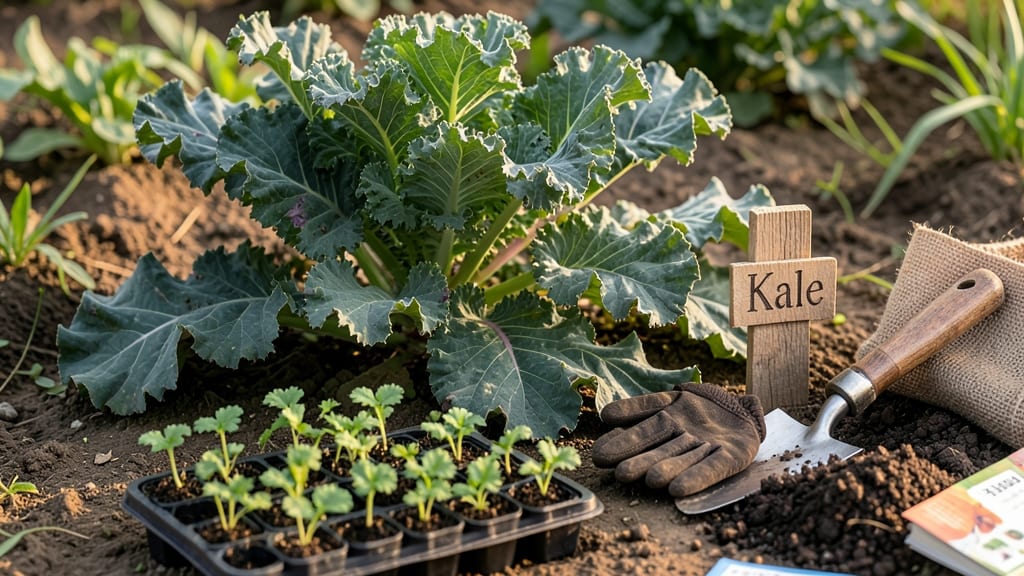
To start a fall garden the right way means timing your planting so your cool-season crops mature before the first frost 🌱 — and missing that window can mean a harvest cut short or seedlings that bolt in the heat.
Missed your spring planting window? Don’t worry—fall gardening offers a second chance to grow thriving vegetables, herbs, and flowers, but timing is everything. Plant too early, and summer’s heat will fry your seedlings; too late, and frost will cut your harvest short.
This guide breaks down the ideal planting deadlines by USDA zone, so you can choose between direct sowing seeds or transplanting seedlings for a successful fall harvest. Whether you’re in a cold northern climate or a mild southern region, we’ve got the specifics to help you avoid common mistakes.
You’ll also discover how to extend your growing season with simple strategies like row covers and cold frames, plus a list of the 10 best cool-season crops that thrive in shorter days. Let’s get your fall garden off to the right start!
Fall planting deadlines by USDA Hardiness Zone: when to start seeds vs. transplants
Timing your fall garden correctly means the difference between a bountiful harvest and wasted effort. Cool-season crops like kale, carrots, and spinach thrive when planted at the right moment—neither too early (when heat stresses seedlings) nor too late (when frost arrives).
Your USDA Hardiness Zone dictates your deadlines, so let’s break it down by region to ensure your fall garden gets off to the best start.
For most gardeners, the ideal window for fall planting begins 8–12 weeks before your first frost date. This gives cool-season crops enough time to mature before winter sets in.
However, direct sowing seeds and transplanting seedlings have different timelines—seeds need warmer soil, while transplants can handle cooler conditions. Let’s explore the specifics for Zones 3–10.
Pro Tip: Use a soil thermometer to check temperatures—most cool-season crops prefer soil between 45–75°F. If your soil is too hot, wait a few weeks before sowing seeds.
In Zones 3–4, where winters are harsh, focus on fast-maturing crops like radishes (30 days) or bush beans (50 days). These can be direct-sown as early as late June to avoid bolting in summer heat.
Meanwhile, transplants like kale or spinach can handle cooler soils, so wait until mid-August to set them out.
Gardeners in Zones 5–6 have a bit more flexibility. You can direct-sow carrots and lettuce as early as late June, but prioritize transplants in early August for heartier crops like broccoli.
These zones often see first frost in October, so plan accordingly—aim for varieties that mature in 60–75 days.
For Zones 7–8, where frost arrives later, you can push your deadlines. Direct-sow seeds until mid-September for crops like spinach or peas, which tolerate light frost. Transplants can even go in until early October, giving you time for a second planting of Swiss chard or beets.
Soil temperatures stay warmer longer, so take advantage!
In Zones 9–10, frost is a late visitor, but heat can still be an issue. Start direct sowing in mid-July for cool-season crops like arugula or Brussels sprouts. Transplants can go in until November, but choose frost-tolerant varieties like cabbage or
Top 10 cool-season crops for fall gardens and their ideal planting windows
Fall gardens thrive on cool-season crops that mature quickly before frost. These 10 beginner-friendly vegetables are perfect for shorter growing seasons and handle light frosts beautifully. Whether you're in Zone 3 or Zone 10, these crops offer reliable harvests with the right timing.
Each variety has specific planting windows and days to maturity to ensure success. For example, radishes can be sown just 4-6 weeks before frost, while broccoli needs 8-10 weeks of warm soil to produce heads. Let’s dive into the best options for your fall garden!
🌱 Pro Tip: Always check your last frost date and count backward from there to determine your planting window. Most cool-season crops prefer soil temperatures between 45°F and 75°F for optimal growth.
| Crop | Planting Window | Days to Maturity | Frost Tolerance | Sun Needs |
|---|---|---|---|---|
| Radishes | 4-6 weeks before frost | 25-30 days | Light frost | Full sun to partial shade |
| Lettuce | 6-8 weeks before frost | 30-60 days | Moderate frost | Partial shade |
| Spinach | 6-8 weeks before frost | 30-50 days | Hard frost | Partial shade |
| Broccoli | 8-10 weeks before frost | 50-70 days | Moderate frost | Full sun |
| Kale | 6-8 weeks before frost | 45-65 days | Hard frost | Full sun |
| Carrots | 8-10 weeks before frost | 60-80 days | Light frost | Full sun |
| Peas | 6-8 weeks before frost | 50-70 days | Moderate frost | Full sun |
| Swiss Chard | 6-8 weeks before frost | 40-60 days | Hard frost | Full sun to partial shade |
| Beets | 6-8 weeks before frost | 50-60 days | Moderate frost | Full sun |
| Cabbage | 8 |