
Planting
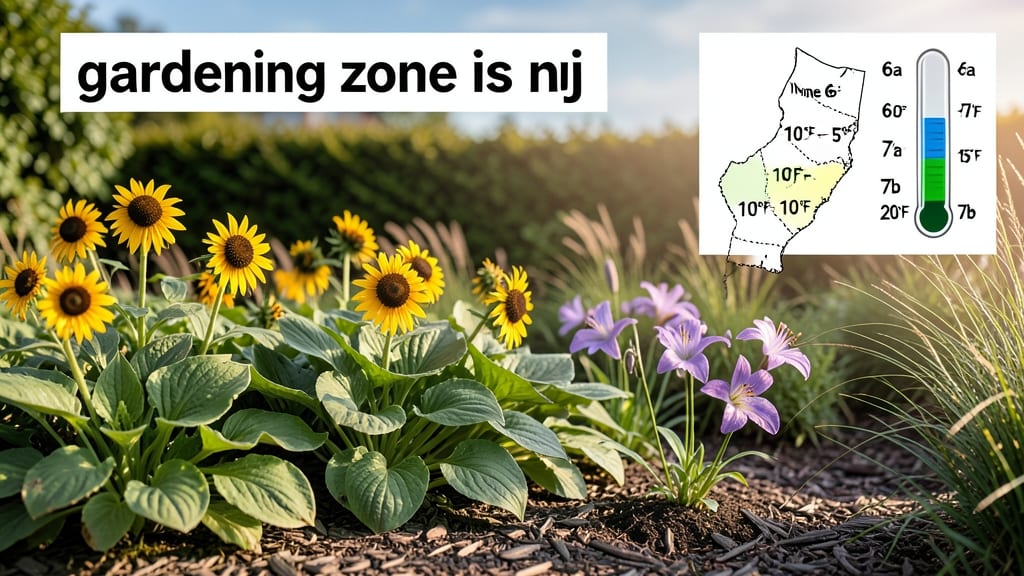
New Jersey's gardening zones range from USDA Zone 6a in the northern mountains to Zone 7b along the coast, with most areas falling between 6b and 7a. These variations reflect the state's diverse climate—cooler inland winters and milder coastal conditions. Always verify your exact location on the USDA map before selecting long-lived plants.
New Jersey's gardening zones reflect its unique geography, where coastal areas benefit from ocean breezes that moderate winter temperatures, keeping them in the warmer Zone 7a. Meanwhile, the state's northern regions and higher elevations dip into Zone 6a, where colder snaps are more common.
This variation means gardeners in Monmouth County might successfully grow peonies (Zone 6b hardy), while those in Cape May can push the limits with tender perennials like butterfly bush. 🌿 Understanding these microclimates helps you choose plants that thrive in your specific corner of the state.
For example, if you're in Bergen County (typically Zone 6b), opt for cold-resistant varieties like Russian sage or black-eyed Susans, which handle the occasional late frost. Coastal gardeners in Atlantic City (often Zone 7a) can experiment with more heat-sensitive plants like bougainvillea or olive trees.
The key is checking the USDA's interactive map—your exact planting zone might differ by just a few miles, especially near water or urban heat pockets.
💡 In This Article
- How NJ’s Climate and Geography Define Its Gardening Zones
- Best Plants for NJ’s Mixed Hardiness Zones by County
How NJ’s climate and geography define its gardening zones
New Jersey's gardening zones form a gradient shaped by its coastal geography and inland topography. The Atlantic Ocean acts like a giant heat buffer, keeping coastal areas—like Cape May and Atlantic City—consistently in Zone 7a, where average minimum winter temperatures hover around 5°F to 10°F.
This maritime influence creates milder winters, allowing tender plants like camellias or magnolias to thrive where they'd freeze inland.
The contrast becomes striking when you move just 50 miles inland to Morris County, where colder air masses settle into valleys, pushing zones down to 6a with potential lows near -10°F. 🌊
The state's elevation plays a surprising role too. The Kittatinny Mountains in the northwest create microclimates where temperatures can drop 5-10°F colder than nearby lowlands—explaining why Sussex County gardens often fall into Zone 6a despite being at similar latitudes to coastal areas.
Even within 5 miles, you might find a Zone 6b garden on a north-facing slope next to a Zone 7a urban heat island effect in downtown Trenton, where pavement and buildings trap heat.
These variations mean your neighbor's successful crape myrtle (Zone 7b) might struggle in your colder microclimate.
Latitude also creates subtle differences. Northern counties like Passaic experience shorter growing seasons with earlier frosts, while southern Cumberland County enjoys 10-14 extra frost-free days annually. This extends the window for warm-season crops like tomatoes or peppers by 2-3 weeks in the south.
The USDA's zone calculations account for these patterns by averaging 30-year temperature data, but real-world conditions can vary—especially when ocean currents bring unexpected warm spells or polar vortices drop temperatures 20°F below normal for brief periods. 📉
Urban areas add another layer of complexity. Cities like Jersey City or Newark can register as Zone 7b due to the "urban heat island" effect, where concrete and asphalt absorb and radiate heat.
This creates pockets where zone 8 plants like aloe vera or bougainvillea might survive winters that would kill them just 10 miles outside the city limits. For gardeners, this means testing plants in containers first—you can always bring them indoors during unexpected cold snaps. The lesson?
Always verify your exact GPS coordinates on the USDA map, as zones can shift dramatically over short distances.
Seasonal wind patterns further complicate zone predictions. The prevailing westerlies bring cold air from Canada that gets funneled through the Delaware Valley, creating sudden temperature drops in Burlington County that can push minimum temps 5°F colder than predicted.
Coastal areas benefit from sea breezes that moderate these swings, while inland regions experience more extreme fluctuations.
This is why Zone 6b gardeners in Hunterdon County might need to protect tender perennials with mulch or row covers during late spring frosts—a common occurrence in April when coastal areas are already in full bloom. 🌬️