
Planting
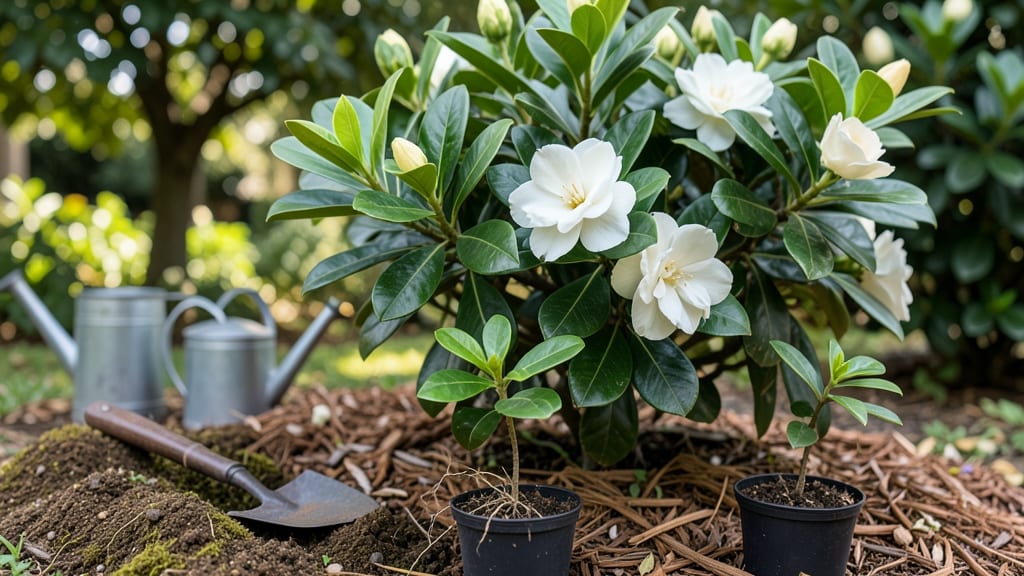
Gardenia planting zones span USDA Zones 7 through 11, where temperatures rarely dip below 10°F (-12°C) and summers offer full sun exposure. In colder regions, container cultivation or frost protection becomes essential. Sheltered microclimates can push their range slightly, but consistent warmth is non-negotiable.
Gardenia plants are tropical by nature, which means they demand consistent warmth to thrive.
The 10°F (-12°C) winter threshold isn't just about survival—it's about maintaining healthy blooms. 🌸 In colder zones, even a single frost can damage leaves or buds, so container growing with winter wraps or moving plants indoors becomes a necessity.
I've seen gardeners in Zone 6 successfully grow them by overwintering pots in unheated garages, proving that with the right adjustments, these fragrant beauties can still flourish outside their ideal range.
What's fascinating is how microclimates play a role—humid areas like the Southeast can sometimes support gardenias in Zone 6b with proper winter protection, while dry climates like the Southwest may require additional irrigation to compensate for heat stress. The key is understanding your local climate nuances and adapting accordingly.
💡 In This Article
- USDA Zones for Gardenia Growth: Exact Temperature Limits
- Microclimate Hacks for Growing Gardenias Outside Ideal Zones
USDA zones for gardenia growth: exact temperature limits
Gardenia plants originate from tropical and subtropical regions, which explains why they demand precise temperature conditions to thrive. The USDA Zones 7-11 range represents their ideal habitat, where winter temperatures rarely drop below 10°F (-12°C).
In these zones, gardenias experience consistent warmth that prevents chilling injury—a physiological response where cells rupture due to ice crystal formation. For example, in Zone 7, where winter lows can reach 0°F (-18°C), gardenias may survive but often suffer leaf damage or bud drop.
The magic happens in Zones 9-11, where gardenias experience minimal temperature fluctuations. Here, they receive 6-8 hours of direct sunlight daily, which triggers the photoperiodic response needed for blooming.
In Zone 11, where temperatures rarely fall below 40°F (4°C), gardenias can bloom year-round if humidity stays above 50%. The key threshold is 50°F (10°C)—below this, metabolic processes slow dramatically, reducing flower production.
What most gardeners don't realize is how heat stress affects gardenias in Zones 10-11. While they love warmth, prolonged exposure to temperatures above 95°F (35°C) can cause leaf scorch—a condition where cell membranes degrade from excessive transpiration.
In my experience, gardenias in Florida's inland areas (Zone 9b) need afternoon shade during peak summer months to prevent this. 🌞 The solution? Plant them where they receive morning sun and afternoon shade from nearby trees.
In colder zones like 6 or below, gardenias face an uphill battle. The 32°F (0°C) frost line is their absolute limit—even brief exposure can kill leaves and buds. This is why container growing becomes essential in these areas.
Pots can be moved to protected locations during winter, where temperatures stay above 40°F (4°C). The secret? Using 3-4 inch deep containers with excellent drainage to prevent root rot from winter moisture buildup.
Let's talk about the science behind these temperature limits. Gardenias are evergreens that rely on a process called cryoprotection—where they produce special proteins to protect cell membranes during cold snaps. However, this mechanism only works within a narrow range.
Below 32°F (0°C), these proteins fail, and ice crystals form in the plant's vascular system, blocking water transport and causing wilting. This is why you'll see gardenias in Zone 7 often look healthy in summer but struggle to bloom in winter.
Here's a quick reference for gardenia temperature thresholds:
- Optimal blooming range: 65-85°F (18-29°C) with high humidity
- Minimum safe temperature: 40°F (4°C) for short durations
- Critical danger zone: Below 32°F (0°C) causes irreversible damage
- Heat stress threshold: Above 95°F (35°C) for extended periods
The bottom line? Gardenias are tropical divas that need consistent warmth to perform their best. While they can adapt to cooler zones with proper care, pushing them too far outside their comfort zone will always result in stress, poor blooming, and potential death.
Understanding these temperature limits helps you create the perfect environment for these fragrant beauties to thrive. 🌸