
Planting
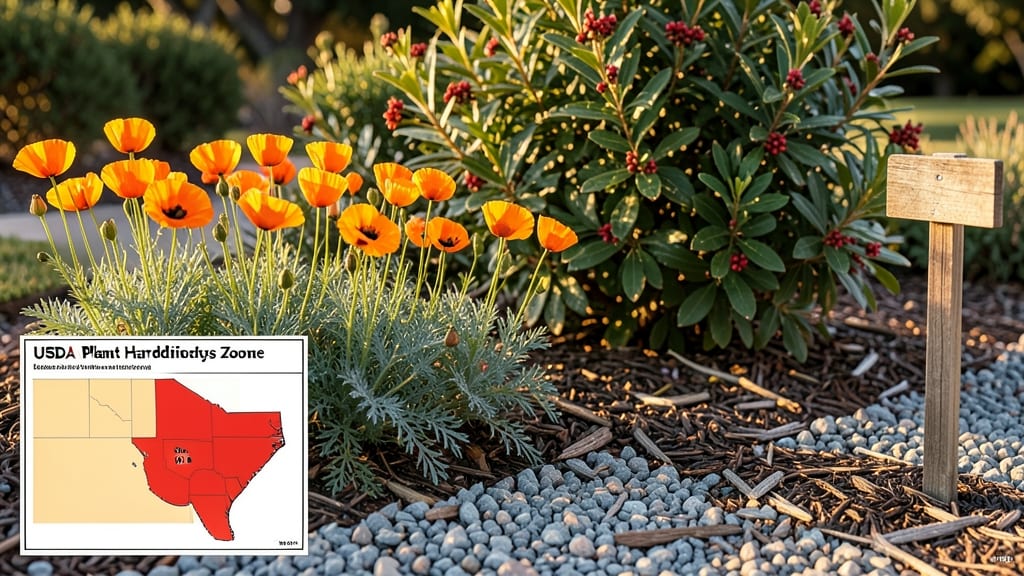
San Diego, CA, falls within USDA Hardiness Zones 10a (30-35°F) and 10b (35-40°F), allowing year-round gardening with frost-free winters and mild temperatures. Coastal areas may experience slightly cooler microclimates than inland regions.
San Diego's classification as Zone 10a-10b makes it one of the most garden-friendly regions in the U.S., thanks to its mild winters and consistent sunshine.
The Pacific Ocean plays a huge role here—coastal areas often see cooler nights due to ocean breezes, while inland spots can be 5-10°F warmer during winter nights.
This creates distinct microclimates where some plants thrive near the beach while others prefer the warmer inland valleys. 🌿 For gardeners, this means you can grow tropical plants like bougainvillea year-round, but you'll want to choose slightly hardier varieties for coastal gardens where temperatures dip closer to 30°F.
What's interesting about San Diego's climate is how the USDA zone classification simplifies what's actually a complex range of conditions. While the official zones give you a starting point, local factors like elevation and proximity to water can shift your actual growing conditions.
For example, Mount Soledad sits in Zone 10a, but its higher elevation might experience slightly colder nights than downtown areas. Always check your specific neighborhood's microclimate—it could mean the difference between a thriving garden and a struggling one.
💡 In This Article
- Understanding San Diego’s USDA Zone 10a-10b Climate Characteristics
- Best Plants for San Diego’s Zone 10a-10b Gardens
Understanding San Diego’s USDA Zone 10a-10b climate characteristics
The USDA classification of San Diego as Zone 10a-10b is based on its average annual minimum temperatures, which rarely drop below 30°F in Zone 10a or 35°F in Zone 10b. This frost-free environment creates ideal conditions for tropical and subtropical plants that would perish in colder climates.
The Pacific Ocean plays a dominant role here—coastal areas experience marine layer fog that can lower daytime temperatures by 10-15°F during summer months, while inland regions like the San Diego Valley enjoy warmer nights with less fog influence.
What makes San Diego unique is how its microclimates vary dramatically over short distances. Coastal gardens near La Jolla might see nighttime lows near 32°F during rare cold snaps, while inland areas like Chula Vista can stay above 40°F consistently.
This variation explains why some gardeners in Zone 10a can grow avocado trees successfully, while coastal gardeners might need to protect tender plants with frost cloth during unexpected cold snaps. The San Diego River Valley often experiences 5-10°F warmer nights than coastal areas due to the urban heat island effect.
Another key factor is San Diego's consistent sunshine—averaging 260 sunny days per year—which means plants receive 300-350 days of full sunlight annually. This abundance of light supports vigorous growth in drought-tolerant species like palm trees and olive trees, which thrive in Zone 10b conditions.
The combination of warm temperatures, low humidity, and ample sunlight creates an ideal environment for citrus trees, which require 600-800 hours of chilling below 45°F to produce fruit—a threshold San Diego's Zone 10b climate typically meets during winter months.
For gardeners, understanding these microclimate variations means selecting plants based on precise location rather than relying solely on the USDA zone. For example, coastal gardens might need wind-resistant varieties of plants like bougainvillea, while inland gardens can support more heat-sensitive tropicals.
The San Diego Botanic Garden demonstrates this perfectly, showcasing over 2,000 plant species adapted to these varying conditions through careful placement and microclimate management.
One often overlooked aspect is how elevation changes within the city create additional growing zones.
Areas like Mount Helix (elevation 1,000+ feet) experience cooler temperatures and may function more like Zone 9b, while sea level coastal areas remain firmly in Zone 10b. This vertical variation means gardeners should consider their specific elevation when selecting plants—what thrives at sea level might struggle just 500 feet higher up a hillside.
The science behind these zones involves heat summation models that calculate growing degree days (GDD), which measure how quickly plants mature based on temperature accumulations. San Diego's Zone 10b classification means it accumulates over 10,000 GDD annually, allowing for two growing seasons per year in many areas.
This explains why you can plant winter vegetables like kale and broccoli in December while still harvesting summer tomatoes by August in the same garden.