
Tools
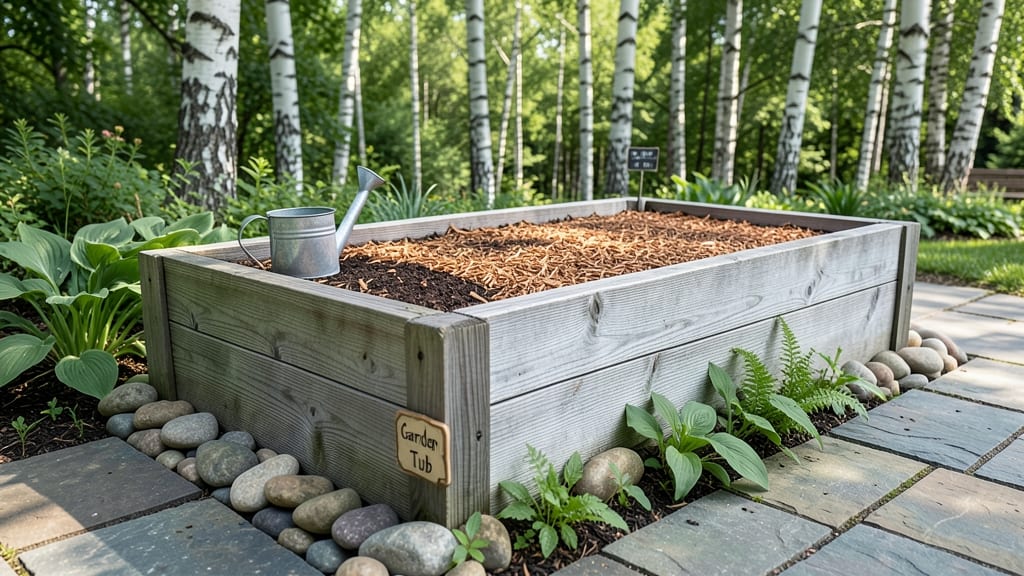
A garden tub is a large decorative container designed for growing plants, shrubs, or small trees in outdoor spaces, offering both aesthetic appeal and functional versatility for patios, balconies, or garden beds. These planters often feature built-in drainage and sturdy construction to support healthy root systems.
A garden tub is essentially an oversized planter that transforms outdoor spaces into lush, organized gardens.
Unlike standard pots, these containers are designed to handle larger plants like dwarf trees, shrubs, or even small citrus varieties, making them perfect for creating focal points in your yard. 🌿 The key difference lies in their size and structural integrity—most garden tubs measure at least 18 inches deep and wide, with reinforced bases to prevent tipping while supporting substantial root systems.
These planters come in various materials, each with unique benefits: resin tubs are lightweight and weather-resistant, while ceramic options add elegant charm but require more maintenance. Wooden tubs offer a natural look but need regular sealing, and metal tubs provide durability but may heat up in direct sunlight.
The choice depends on your climate, plant types, and how much maintenance you're willing to commit to.
What sets garden tubs apart from regular planters is their ability to create dramatic visual impact. Whether you're lining a patio with tiered tubs filled with trailing flowers or placing a single statement piece with a small olive tree, they elevate any outdoor space.
The built-in drainage ensures proper water flow, while the larger volume allows for healthier root development compared to smaller containers.
💡 In This Article
- Design and Material Differences in Garden Tubs
- Best Plants for Garden Tubs and Setup Tips
Design and material differences in garden tubs
Garden tubs aren't just oversized planters—their design and materials directly impact plant health and longevity. The most critical factor is drainage: these tubs typically feature pre-drilled holes or integrated saucers to prevent root rot, a common issue in waterlogged containers.
For example, resin tubs often include built-in overflow channels that redirect excess water away from plant roots, while ceramic tubs may require manual placement of drainage layers like gravel or broken pottery shards.
Material selection drastically affects durability and weight. Resin tubs (made from polyethylene or fiberglass) weigh 20-30 pounds when empty and resist cracking in freezing temperatures, making them ideal for northern climates.
Ceramic tubs, while stunning with their hand-painted designs, can weigh 50-100 pounds when filled and may crack if exposed to sudden temperature changes.
Wooden tubs offer natural aesthetics but require annual sealing to prevent rot, while galvanized metal tubs provide rust resistance but can heat up to 120°F+ in direct sunlight, potentially scorching plant roots.
The design variations serve specific gardening needs. Self-watering tubs include reservoir systems that maintain consistent moisture levels—perfect for herbs like rosemary or drought-tolerant succulents. Tiered designs maximize vertical space, allowing you to grow multiple plant types in one footprint, while window-box styles create elegant borders for patios.
The depth matters too: shallow tubs (12 inches) suit annuals and herbs, while deeper ones (24+ inches) accommodate small trees like dwarf citrus or olive varieties.
Consider your climate when choosing materials. In humid regions, resin or metal tubs prevent mold growth better than porous ceramic or wood. For coastal areas, salt-resistant materials like fiberglass are essential, as regular ceramic can degrade within 2-3 years of exposure.
The weight also affects placement: lighter resin tubs can be moved seasonally, while heavy ceramic pieces become permanent fixtures that require proper foundation support to prevent tipping.
Drainage systems vary by design too. Some tubs feature removable liners that protect the container while allowing roots to access nutrients, while others incorporate internal wicking systems that gradually release water to roots.
For example, a 24-inch diameter tub might need 4-6 drainage holes spaced evenly around the base to prevent water pooling. The placement of these holes affects how evenly water distributes—poorly positioned holes can create dry spots in the soil.
Pro tip: Always check the manufacturer's weight capacity when filled, as overloading can stress the tub's structure. A 30-gallon tub filled with soil and a small tree could weigh 150-200 pounds—enough to damage outdoor surfaces if not properly supported. 🌟