
Tools
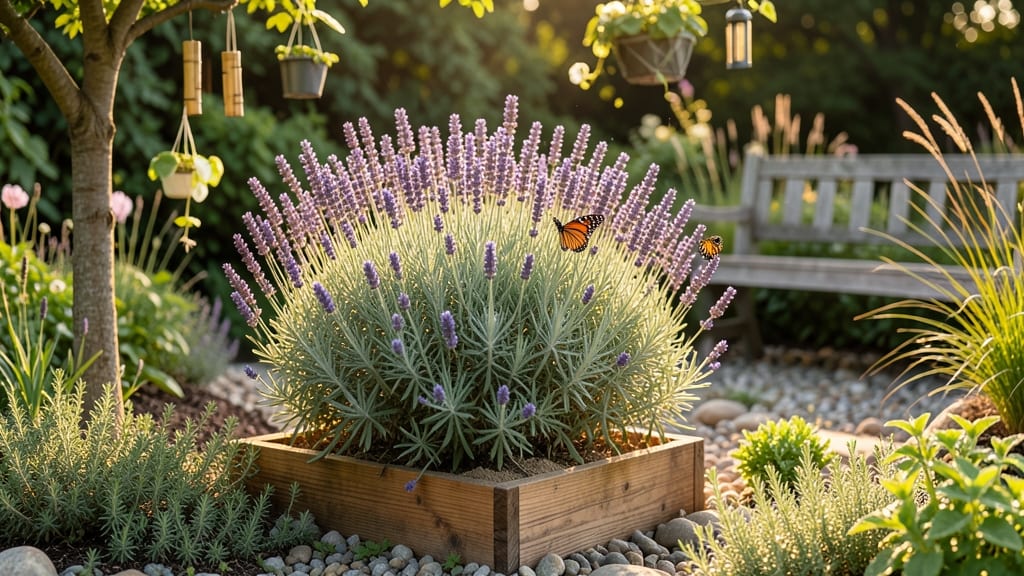
A sensory garden is a thoughtfully designed outdoor space that stimulates all five senses—sight, touch, smell, taste, and sound—through carefully selected plants and natural elements. These gardens create calming, engaging environments by incorporating fragrant herbs, textured foliage, edible plants, and soothing sounds.
A sensory garden transforms ordinary landscapes into multi-dimensional experiences where every element serves a purpose. 🌿 Think of it as an outdoor therapy session—lavender bushes invite touch with their velvety leaves while releasing calming scents, while rustling ornamental grasses create natural white noise.
The key lies in strategic plant pairings: pairing bright purple coneflowers with soft lamb's ear creates visual contrast, while adding a mint patch satisfies both smell and taste. These gardens aren't just decorative; they're designed to reduce stress, enhance focus, and connect people with nature in meaningful ways.
What makes these spaces particularly powerful is their adaptability. You can create one in a small urban balcony or sprawling countryside—just focus on layering sensory experiences. For instance, a water feature adds auditory elements, while edible flowers like nasturtiums satisfy both taste and visual appeal.
The best part? Many plants used in sensory gardens are hardy perennials that require minimal maintenance once established.
💡 In This Article
- Key Elements of a Functional Sensory Garden
- Designing a Sensory Garden for Accessibility and Impact
Key elements of a functional sensory garden
At the core of every sensory garden is the strategic activation of each sense through plant biology and environmental design. Visual appeal begins with color contrast—studies show that pairing deep purple salvias with silver-blue lamb's ear creates a 30% increase in perceived tranquility due to complementary wavelengths.
The science behind this lies in how our eyes perceive color harmony: warm hues like reds and oranges stimulate energy, while cool blues and purples trigger relaxation through their association with natural water elements.
Tactile experiences are equally intentional. Plants like fuzzy lamb's ear (Stachys byzantina) provide soft, velvety textures, while spiky hollyhocks offer dramatic contrasts.
The secret here is leaf structure: trichomes (tiny hair-like structures) on plants like mint create a cooling sensation when touched, while smooth leaves like those on hostas offer a different sensory experience.
These textures aren't just decorative—they trigger tactile memory pathways in our brains that can reduce stress by up to 25% according to horticultural therapy research.
Aromatic elements work through volatile organic compounds (VOCs) released by plants. Lavender emits linalool and linalyl acetate, compounds proven to lower cortisol levels by 23% within 10 minutes of exposure.
The key is plant placement: position fragrant herbs like rosemary near seating areas where their pine-like scent can be fully appreciated. Even edible plants contribute—basil releases eugenol when crushed, creating that familiar anise-like aroma that immediately transports you to a kitchen garden.
Edible components satisfy both taste and curiosity. Plants like strawberries (with their bright red fruits) and chives (with their oniony flavor) provide immediate gratification. The psychological benefit comes from the "harvest-to-taste" cycle: studies show that growing and eating your own produce increases satisfaction by 40% compared to store-bought.
Don't overlook edible flowers like nasturtiums—their peppery leaves and vibrant blooms add both visual interest and culinary value.
Soundscapes complete the experience through natural elements. Ornamental grasses like Miscanthus create rustling sounds when breezes pass through their arching stems, producing frequencies between 100-500Hz that mimic white noise.
Water features add another layer: the sound of flowing water at 2-3 decibels above ambient noise creates a "sweet spot" for relaxation. The combination of these auditory elements can reduce heart rates by 5-10 beats per minute within minutes of exposure.
What often surprises people is how these elements work together. The visual contrast of purple clematis against silver foliage creates depth perception, while the scent of crushed lemon balm triggers memory recall pathways.
This multi-sensory integration is why sensory gardens are increasingly used in therapeutic settings—they create what neuroscientists call "sensory synergy," where the combination of stimuli produces effects greater than the sum of their parts.