
Tools
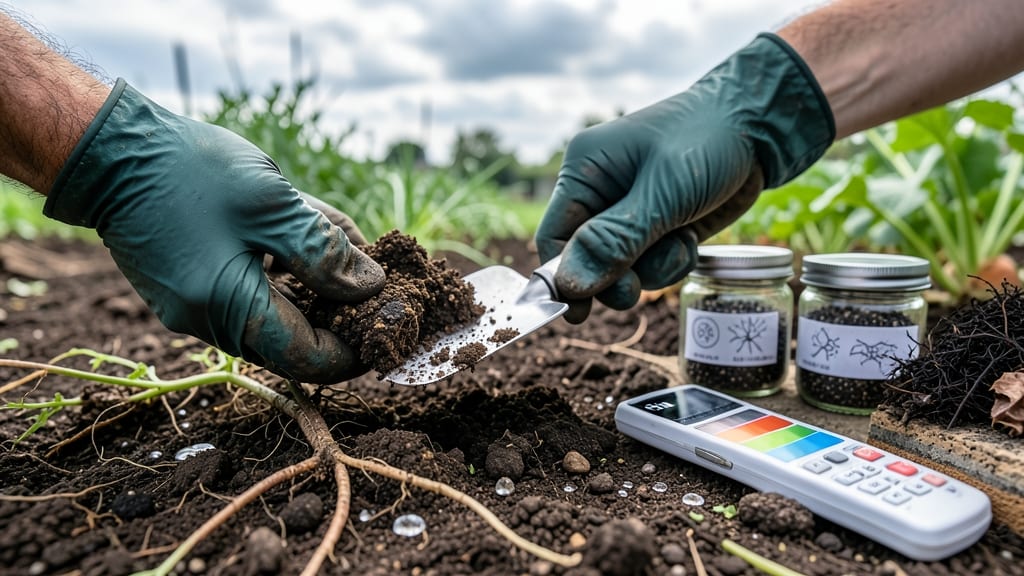
Garden soil is used as a nutrient-rich growing medium for plants, providing essential minerals, water retention, and aeration while supporting root development and microbial activity for healthy growth. It also improves drainage and structure in garden beds and containers.
Garden soil serves as the foundation for all plant life, acting like nature's multivitamin for roots. 🌱 The right mix of organic matter, minerals, and microorganisms creates an ideal environment where plants can thrive by accessing water, nutrients, and oxygen.
Unlike sterile potting mixes, garden soil develops over time through decomposition and microbial activity, becoming a self-sustaining ecosystem that supports everything from delicate seedlings to hardy perennials.
Beyond basic nutrition, soil structure plays a crucial role in plant health. Loamy soils with good drainage prevent root rot while retaining enough moisture for consistent growth, while sandy soils need amendments to hold nutrients better.
The pH balance—whether slightly acidic or alkaline—directly affects which nutrients plants can absorb, making soil testing an essential step for serious gardeners.
What many don't realize is how soil impacts long-term garden sustainability. Healthy soil builds natural resistance to pests and diseases while reducing the need for chemical fertilizers. When properly maintained, it becomes a renewable resource that improves with each growing season through compost additions and crop rotation.
💡 In This Article
- Key Functions of Garden Soil in Plant Growth
- Best Soil Types for Different Garden Plants
Key functions of garden soil in plant growth
Garden soil acts like a living ecosystem that provides plants with four critical functions: nutrient supply, water regulation, oxygen delivery, and microbial support. At its core, soil contains decomposed organic matter (humus) that releases essential nutrients like nitrogen, phosphorus, and potassium through microbial breakdown.
These nutrients fuel photosynthesis and root development—without them, plants would starve even if watered properly. For example, nitrogen promotes leafy growth, while phosphorus strengthens roots, and potassium regulates water flow within plant cells.
The texture of soil determines how well it performs these roles. Loamy soil, ideal for most plants, balances sand, silt, and clay particles to create 40-60% pore space for air and water movement. Sandy soil drains too quickly, while clay holds water so tightly that roots suffocate.
The pH level (typically 6.0-7.5 for most plants) also controls nutrient availability—acidic soils release aluminum toxins, while alkaline soils lock out iron. A simple soil test reveals these imbalances before they stunt growth.
Microbial activity is where soil truly becomes a powerhouse. Beneficial bacteria and fungi break down organic material into plant-accessible forms, while mycorrhizal networks extend root systems by up to 10 times their natural length. These microbes also suppress harmful pathogens, reducing the need for chemical treatments.
The smell of healthy soil—earthy with a hint of dampness—comes from these active communities at work, creating a self-sustaining cycle that improves with proper care.
Water retention is another critical function where soil composition makes all the difference. A well-structured soil can hold 20-30% water by weight while allowing excess to drain, preventing both drought stress and root rot. Organic matter acts like a sponge, absorbing and releasing moisture as plants need it.
This is why adding compost improves sandy soils that dry out in minutes and helps clay soils that stay waterlogged for days.
The physical structure of soil also supports root development. Fine, crumbly soil allows roots to penetrate easily, while compacted soil restricts growth and creates anaerobic zones where harmful gases build up. Aeration—often improved by tilling or adding perlite—ensures roots get the oxygen they need for respiration.
Without proper aeration, even well-watered plants will show signs of stress like yellowing leaves or stunted growth.
What often surprises gardeners is how soil health directly impacts plant resilience. Soil rich in organic matter and beneficial microbes builds natural defenses against pests and diseases. For instance, plants grown in healthy soil show 30% fewer fungal infections compared to those in depleted soil.
This biological diversity creates a balanced ecosystem where harmful organisms struggle to establish themselves.
To maximize these benefits, focus on maintaining soil organic matter through compost additions and avoiding synthetic chemicals that disrupt microbial life. Regularly testing soil pH and texture ensures your garden remains a thriving, self-sustaining environment where plants can reach their full potential. 🌱