
Advice
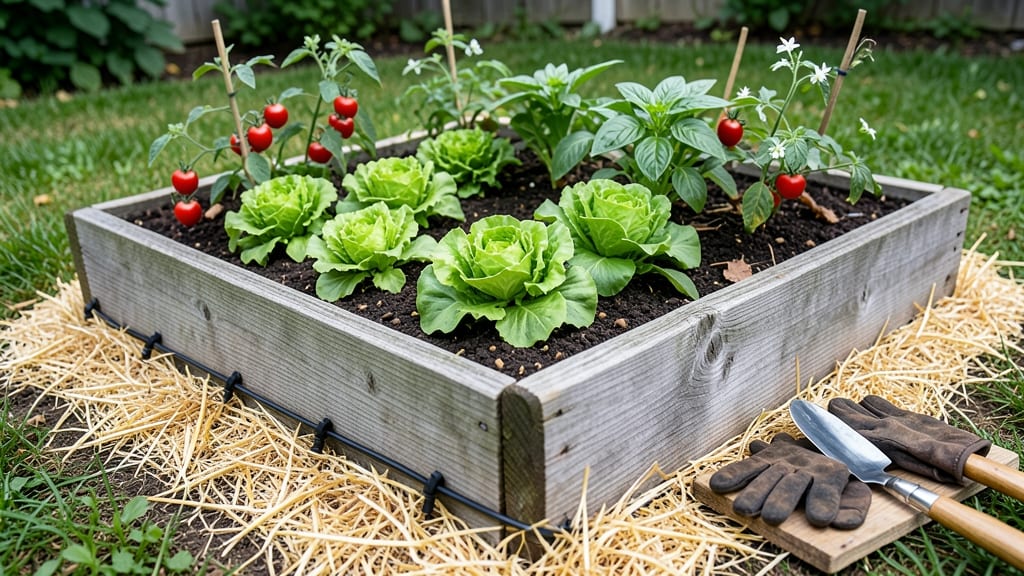
The benefits of raised garden beds include superior soil drainage, precise temperature regulation, and natural weed suppression while eliminating soil compaction—ideal for maximizing plant vitality in tight or difficult growing conditions. They also make gardening more accessible and lengthen your growing season.
Raised garden beds transform your growing space by creating an optimal environment for roots to thrive.
The elevated design prevents soil compaction from foot traffic, allowing roots to spread freely and access nutrients more efficiently. 🌱 Plus, the soil warms up faster in spring, giving you a head start on planting, while the contained structure helps retain moisture and discourage weeds.
This setup is especially valuable for urban gardeners or those with poor native soil quality.
Another key advantage is customization—you can tailor the soil mix to your plants' specific needs, whether that means adding compost for vegetables or sand for better drainage. The raised structure also makes it easier to manage pests and diseases by keeping the garden off the ground.
For those with mobility challenges, the elevated height reduces bending and strain, making gardening more enjoyable year-round.
💡 In This Article
- How Raised Beds Improve Soil Quality and Plant Growth
- Best Practices for Designing and Maintaining Raised Garden Beds
How raised beds improve soil quality and plant growth
The key advantage of raised beds lies in their ability to prevent soil compaction—a common issue in traditional in-ground gardens. When you walk on soil, each step compresses the particles, reducing pore space by up to 30%.
This compression restricts root growth and oxygen flow, forcing roots to grow horizontally rather than downward where nutrients are most abundant. In raised beds, the soil remains loose and aerated year-round, allowing roots to penetrate 12-18 inches deeper than in compacted ground soil.
This improved aeration also boosts microbial activity in the soil. Microorganisms like mycorrhizal fungi and beneficial bacteria thrive in well-aerated conditions, breaking down organic matter 20-30% faster than in compacted soil. These microbes create a symbiotic relationship with plant roots, enhancing nutrient uptake—especially for phosphorus and nitrogen.
The result? Plants grow 25-50% faster in raised beds compared to traditional gardens, with thicker stems and larger leaves due to this enhanced nutrient delivery system.
Temperature regulation is another game-changer. Raised beds warm up 2-3 weeks earlier in spring because they absorb and retain heat from sunlight more efficiently. The soil temperature at a 4-inch depth in raised beds can reach 60°F when in-ground soil is still chilly at 45°F.
This early warming allows you to plant cold-sensitive crops like tomatoes and peppers 2-4 weeks sooner, extending your growing season. The contained structure also prevents heat loss at night, creating a more stable growing environment.
Moisture retention works differently too. While raised beds drain faster than in-ground gardens, they also warm up quicker, reducing evaporation. When combined with proper mulching (like straw or wood chips), raised beds can maintain 80-90% moisture retention compared to 60-70% in open ground.
This means less frequent watering—typically 30-50% less than traditional gardens—while still keeping roots consistently hydrated. The elevated design also prevents water pooling, which can lead to root rot in low-lying areas.
Custom soil mixes are where raised beds truly shine.
You can create the perfect growing medium by layering 12-18 inches of organic matter: start with 6 inches of compost, followed by 6 inches of topsoil, and finish with 6 inches of a mix of sand and perlite for drainage.
This tailored approach ensures optimal nutrient density and structure—something impossible with native soil. For example, leafy greens thrive in nitrogen-rich mixes, while root vegetables like carrots need loose, sandy soil to prevent forking.
Finally, the contained nature of raised beds creates a natural weed barrier. Weeds struggle to invade because there's no seed bank in the new soil, and the elevated edges block light from reaching weed seeds that might blow in.
Studies show raised beds can reduce weed pressure by 70-85% compared to open ground, saving you 5-10 hours of weeding per season. The clean, organized environment also makes it easier to spot pests early, allowing for targeted interventions before problems escalate.