
Size
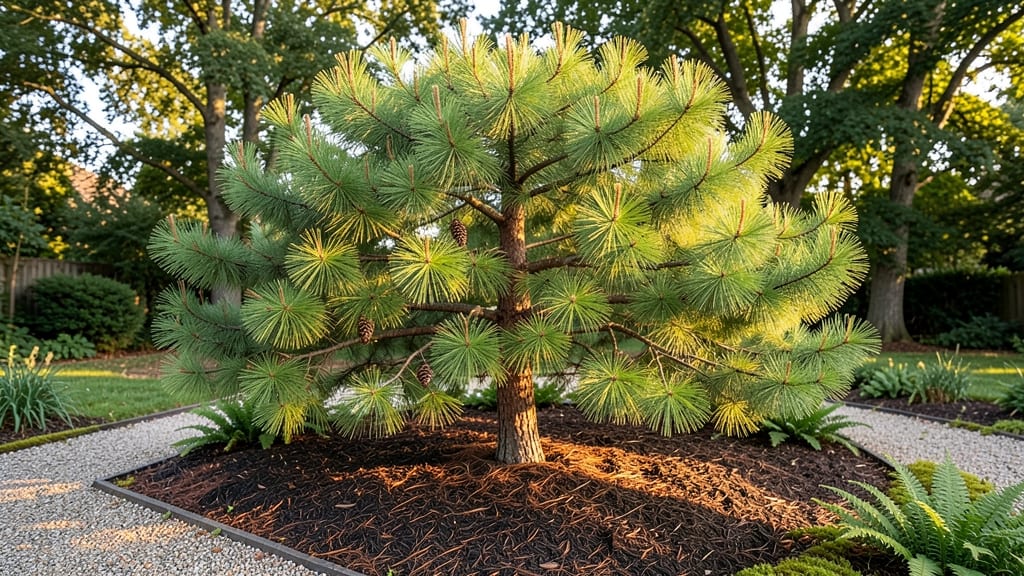
The rarest plants you might grow in a garden are the Middlemist Red camellia, the ethereal Ghost Plant (Graptopetalum paraguayense), and the nearly extinct Franklin Tree (Franklinia alatamaha). These botanical treasures require expert-level care and are often only available through specialized conservatories or elite plant collectors.
Growing these ultra-rare specimens feels like holding a piece of living history in your hands. 🌿 The Middlemist Red camellia, for example, was discovered in 1804 and has been propagated through cuttings for over 200 years—its deep crimson blooms are so coveted that a single cutting can sell for thousands.
Meanwhile, the Franklin Tree, once thought extinct in the wild, now survives only in cultivation, making it one of the most endangered plants on Earth.
Even the Ghost Plant, with its ghostly blue-green foliage, demands precise humidity control to prevent rot, which is why it's rarely seen outside botanical gardens.
What makes these plants so challenging isn't just their scarcity—it's their exacting growing conditions. Many require specific soil pH levels, temperature-controlled microclimates, or even sterile propagation techniques to thrive.
For instance, the Franklin Tree needs acidic, well-draining soil and full sun exposure, while the Ghost Plant prefers bright, indirect light and high humidity to mimic its native desert environment. Without these precise conditions, even the hardiest gardeners might struggle to keep them alive beyond a season.
💡 In This Article
- Why These Rare Garden Plants Are So Hard to Cultivate
- How to Source and Grow the World’s Rarest Garden Plants
Why these rare garden plants are so hard to cultivate
The Middlemist Red camellia's rarity stems from its hybrid origins and slow growth rate. This plant was discovered as a chance seedling in 1804 and has been propagated through careful cuttings for over two centuries.
Its deep crimson blooms develop over 5-7 years from grafting, and each cutting produces only 3-5 flowers per season. The plant's sensitivity to temperature fluctuations—particularly below 50°F—makes outdoor cultivation challenging in most climates, forcing growers to rely on greenhouse environments year-round.
The Franklin Tree (Franklinia alatamaha) presents an even greater challenge due to its near-extinction status. Once native to coastal Georgia and South Carolina, this species was declared extinct in the wild by 1790, with only cultivated specimens surviving.
Its seeds lose viability within 24 hours of collection, requiring immediate planting or cryogenic storage. The tree's slow maturation process—taking 10-15 years to flower—combined with its need for acidic, well-draining soil (pH 4.5-5.5) and full sun exposure (6+ hours daily) makes it nearly impossible to cultivate without specialized botanical expertise.
The Ghost Plant (Graptopetalum paraguayense) faces different obstacles rooted in its delicate physiology. This succulent's ghostly blue-green foliage comes from a unique water storage adaptation that makes it extremely sensitive to overwatering.
Its roots rot within 48 hours of sitting in damp soil, requiring well-draining cactus mix with perlite. The plant's natural habitat in Mexico's high-altitude deserts means it thrives in 60-75°F temperatures with 30-50% humidity—conditions most home gardens can't replicate without sophisticated grow lights and humidity domes.
All three plants share one critical vulnerability: their propagation methods are fragile and time-consuming. The Middlemist Red requires sterile grafting techniques to prevent fungal infections, while the Franklin Tree can only be propagated from cuttings taken during its dormant winter months (November-February).
The Ghost Plant reproduces through offsets, but these must be carefully separated to avoid damaging the mother plant's root system—a process that takes 2-3 weeks of precise monitoring.
Conservation status adds another layer of complexity. The Franklin Tree is protected under CITES Appendix I, requiring permits for international transport. Even legal acquisition means working with institutions like the Arnold Arboretum (Harvard) or the Royal Botanic Gardens, Kew.
The Ghost Plant, while not endangered, is so difficult to maintain that most commercial nurseries avoid stocking it, leaving only specialty growers like Succulent Box or Cactus Jungle Nursery as reliable sources.
What these plants reveal is that rarity in gardening often comes down to a perfect storm of biological quirks: slow reproduction cycles, fragile propagation methods, and habitat-specific requirements that defy typical garden conditions.
For the Middlemist Red, it's patience and temperature control; for the Franklin Tree, it's soil chemistry and seed viability; for the Ghost Plant, it's humidity precision and water discipline.
Each represents a different facet of why some plants remain forever out of reach for all but the most dedicated cultivators. 🌱