
Tools
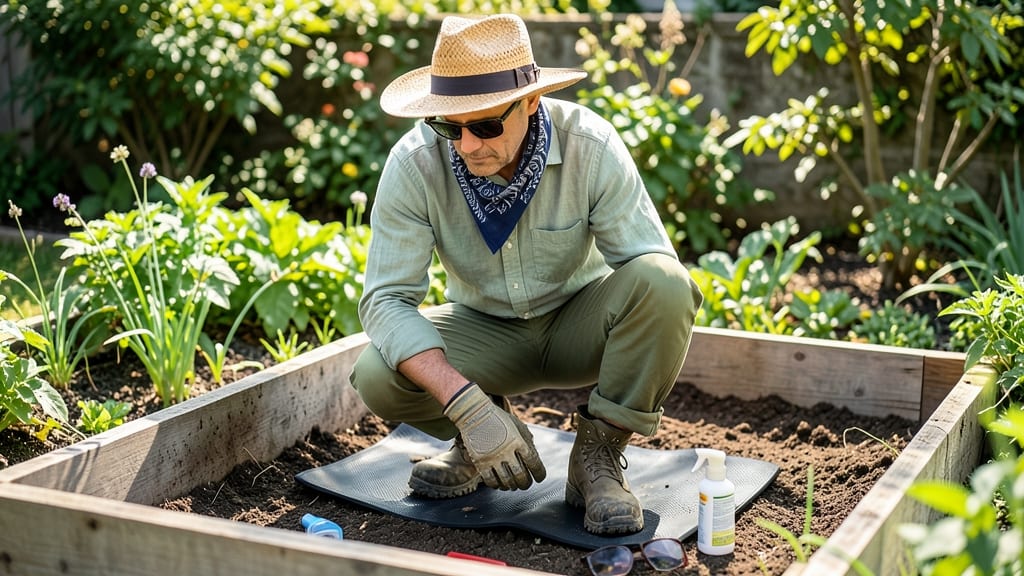
What to wear while gardening includes breathable, durable fabrics like moisture-wicking cotton or lightweight polyester, long sleeves for sun protection, sturdy closed-toe shoes, and a wide-brimmed hat to shield from UV rays and debris while allowing full mobility. Layering is key for seasonal adjustments.
Gardening demands functional clothing that balances protection and comfort—especially when you're working under the sun or in changing weather. 🌿 The right outfit prevents sunburn, reduces fatigue, and protects against scratches or insect bites.
For example, UPF-rated fabrics block harmful UV rays while allowing airflow, and lightweight layers let you adjust as temperatures shift. I always recommend closed-toe shoes with arch support to handle uneven terrain comfortably, and a hat with a chin strap prevents it from flying off during windy days.
Seasonal adjustments matter just as much as fabric choices. In summer, breathable linens or moisture-wicking synthetics keep you cool, while winter calls for thermal base layers under your gardening clothes. Humid climates may require extra ventilation, while dry areas benefit from long sleeves to prevent sun exposure.
Don't overlook gloves—gardening-specific ones with reinforced palms protect against thorns and blisters while keeping hands dry.
💡 In This Article
- Essential Gardening Clothing Materials and Sun Protection
- Seasonal Gardening Outfit Guide by Climate
Essential gardening clothing materials and sun protection
Gardening exposes you to intense UV rays, which can penetrate clothing and cause skin damage even on cloudy days.
The key to protection lies in fabric technology: UPF-rated materials (like those with a UPF of 50+) block 98% of harmful UVA/UVB rays, while traditional cotton only blocks about 7% when new.
Moisture-wicking fabrics—such as polyester blends or treated cotton—pull sweat away from your skin, preventing chafing and keeping you cooler. For example, a shirt made with Coolmax® fibers can reduce body temperature by up to 3°F compared to regular cotton, making it ideal for hot afternoons. 🔥
Sun protection extends beyond fabric to accessories. A wide-brimmed hat (3+ inches) shields your face, neck, and ears, reducing UV exposure by 50% compared to a baseball cap. Look for hats with UPF 50+ certification and a built-in chin strap to prevent wind from blowing it off.
Pair this with UV-blocking sunglasses (labeled "100% UV protection") to guard your eyes from glare and debris. Even your shoes play a role: opt for closed-toe boots or shoes with reinforced soles to protect against sharp objects and uneven ground, while breathable mesh uppers keep feet dry.
Layering isn't just for warmth—it's a strategic way to adapt to changing conditions. Start with a lightweight, long-sleeve base layer made of merino wool or synthetic blends to regulate temperature and wick moisture.
Add a mid-layer (like a fleece) for cooler mornings or evenings, and top it with a sun-protective outer shell (e.g., a UPF-rated rain jacket). This system lets you adjust without sacrificing protection.
For hands, gardening gloves with reinforced palms (like those made from goat leather or synthetic materials) provide grip and abrasion resistance while keeping dirt out of cuts. ✨
Don’t overlook the science behind sun exposure: UV rays peak between 10 AM and 4 PM, when the sun’s angle is highest. Even on 50°F days, UV levels can be extreme, so reapply broad-spectrum sunscreen (SPF 30+) to exposed skin every 2 hours or after sweating.
Pair this with a lightweight, long-sleeve shirt—studies show that a UPF 50+ shirt blocks about 98% of UV rays, while a regular cotton T-shirt offers minimal protection. For extra defense, choose fabrics with silver or titanium dioxide treatments, which reflect UV rays away from your skin.
Seasonal adjustments matter too. In summer, prioritize loose-fitting, light-colored clothes to reflect heat, while winter gardening calls for thermal layers under your outerwear. For example, a thermal base layer can keep you 10-15% warmer than cotton alone, making it easier to handle frost-sensitive plants.
Humid climates? Opt for quick-dry fabrics to avoid clinging wetness, while dry climates benefit from long sleeves to prevent sunburn on exposed skin. 💫
Pro tip: Test your clothing’s UPF rating by checking for labels like UPF 50+ or Sun Protective Clothing Association (SPCA) certification. If unsure, hold the fabric up to a light—thicker, tightly woven materials (like canvas or denim) offer better protection than sheer fabrics.
For added defense, tuck in loose shirts and wear UPF-rated pants to minimize skin exposure. This combo keeps you safe while letting you move freely, whether you're pruning roses or digging in the dirt.
Remember, the goal is comfort without compromise. The right materials reduce fatigue, prevent injuries, and let you focus on your plants—not your outfit. Start with a UPF-rated long-sleeve shirt, closed-toe shoes, and a wide-brimmed hat, then layer based on the weather.
Your skin (and back) will thank you! 🌿