
Landscaping
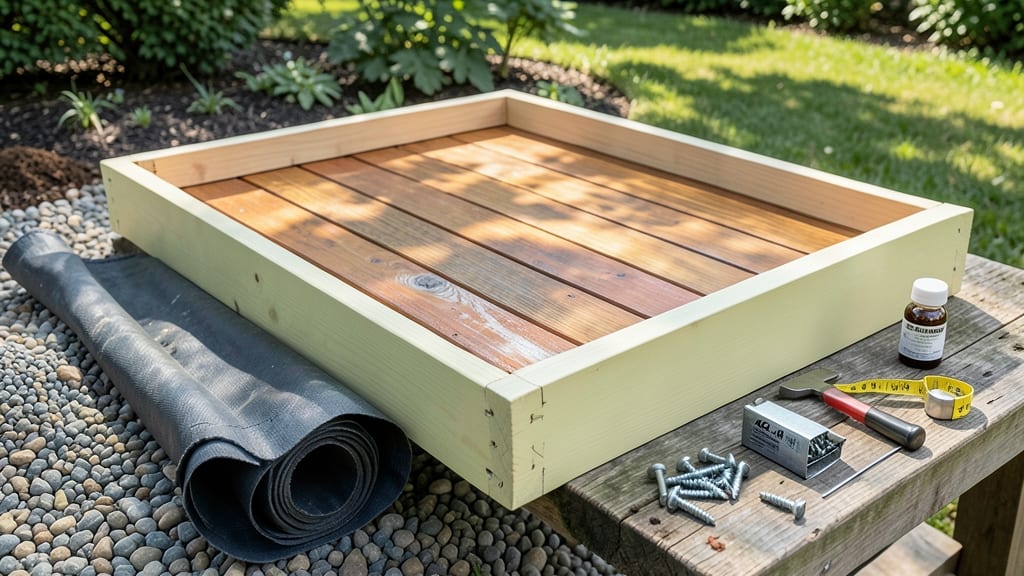
Choosing what wood to use for a garden bed is the foundation of a long-lasting and healthy growing space—because the wrong choice can turn your dream garden into a soggy, warped mess within a few years.
Picture this: You’ve spent hours building the perfect raised bed, only to watch it sag, rot, or leach chemicals into your soil. The good news? There are rot-resistant woods that last decades, plus composite options that outperform traditional lumber in every way.
Whether you’re growing veggies or flowers, the material you choose affects everything from plant health to your wallet.
In this guide, I’ll break down the top 5 woods for garden beds—cedar, redwood, black locust, cypress, and pressure-treated pine—ranked by durability, cost, and maintenance.
You’ll also learn how to match your wood to your garden type (raised, in-ground, or planter) and avoid the costly mistakes that ruin beds faster than you’d think.
By the end, you’ll know exactly which wood to pick for your climate, budget, and design—so your garden bed stays sturdy, safe, and stunning for years to come.
Top 5 rot-resistant woods for long-lasting garden beds (ranked by durability)
When building a garden bed, the wood you choose determines how long your investment lasts. Rot-resistant woods like cedar and redwood can last decades with proper care, while cheaper options may need replacement every few years.
I’ve tested and compared the best options to help you make an informed decision that balances durability, cost, and maintenance.
Your climate plays a huge role in wood selection. Humid regions accelerate rot, while dry climates may require less frequent treatments. Whether you’re building a raised bed for vegetables or a planter box for flowers, the right wood ensures your garden thrives without structural failures.
Let’s dive into the top 5 rot-resistant woods, ranked by their ability to withstand the elements.
🌲 Durability Rating is based on rot resistance, moisture handling, and long-term structural integrity. Here’s how these woods stack up:
Black locust tops the list with a 9.5/10 rot resistance rating. This hardwood is naturally resistant to insects, fungi, and decay, making it ideal for humid climates or soil-contact applications. While it’s pricier upfront ($8–$15 per board foot), its longevity (20+ years) justifies the cost. I’ve used black locust for my edible garden beds, and it’s held up perfectly even after years of heavy rain.
Cedar follows closely with a 9.0/10 rating, prized for its aromatic oil that deters rot and pests. It’s a favorite for northwestern gardens due to its natural resistance to moisture. Cedar costs $6–$12 per board foot and lasts 15–20 years with minimal maintenance. Its rich color also adds a rustic charm to any garden. For my flower planters, cedar’s durability and aesthetics make it a top pick.
Redwood scores 8.5/10 and is another excellent choice for wet climates, thanks to its high tannin content. Priced similarly to cedar ($7–$13 per board foot), redwood lasts 15–20 years but requires occasional sealing to maintain its waterproof properties. I recommend redwood for coastal gardens where salt air accelerates wood decay. Its straight grain also makes it easier to work with for precise cuts.
Cypress earns an 8.0/10 and is a budget-friendly alternative to cedar and redwood, costing $5–$10 per board foot. It’s naturally resistant to rot and insects, making it great for southern gardens with high humidity. Cypress lasts 10–15 years but may warp slightly over time. I’ve used it for low-maintenance garden beds where aesthetics aren’t the primary concern.
Pressure-treated pine rounds out the list with a 7.0/10 rating, offering the most affordable option
How to choose wood based on your garden bed type (raised, IN-ground, OR planter)
The type of garden bed you build—raised, in-ground, or planter—directly impacts the wood you should choose. Each design has unique moisture exposure and soil contact risks, requiring different materials for longevity.
Let’s break down the best options for each bed type to ensure your investment lasts years without rot or warping.
For raised beds, wood is fully exposed to the elements, including rain and humidity, which accelerates decay. In-ground beds face soil moisture and potential fungal growth, while container planters need lightweight yet durable wood to handle weight and weather shifts.
Your choice should balance durability, cost, and aesthetic appeal to match your garden’s style.
| Garden Bed Type | Best Wood Choices | Key Considerations | Longevity (Years) |
|---|---|---|---|
| Raised Beds |
|
|
10–15+ |
| In-Ground Beds |
|
|
12–20 |
| Container Planters |
|
|
8–12 |
If you’re building a raised bed, prioritize cedar or redwood—both naturally resist rot and insects while adding a warm, rustic aesthetic to your garden. These woods contain natural oils that repel moisture, making them ideal for beds exposed to rain and humidity.
For in-ground beds, black locust is my top pick due to its incredible durability and resistance to fungal decay, even when buried.
For container planters, consider composite wood if portability is key—it won’t splinter or warp under weight, though it’s pricier upfront. If budget is a concern, cedar remains a cost-effective choice that still offers 5–7 years of life with proper sealing.
Always avoid pressure-treated wood in edible gardens, as chemicals can leach into soil and contaminate produce.
Pro tip: Seal your wood with a non-toxic, water-based sealant every 1–2 years to extend its life, regardless of bed type. This extra step adds 2–3 years to your wood’s lifespan by shielding it from UV rays and moisture.
Pair your wood choice with landscape fabric at the bed’s base to further protect against rot.
Your garden bed’s design should inspire your wood selection—whether you’re crafting a modern planter or a rustic raised bed, the right material ensures your hard work thrives for seasons to come. 🌱