
Blooming
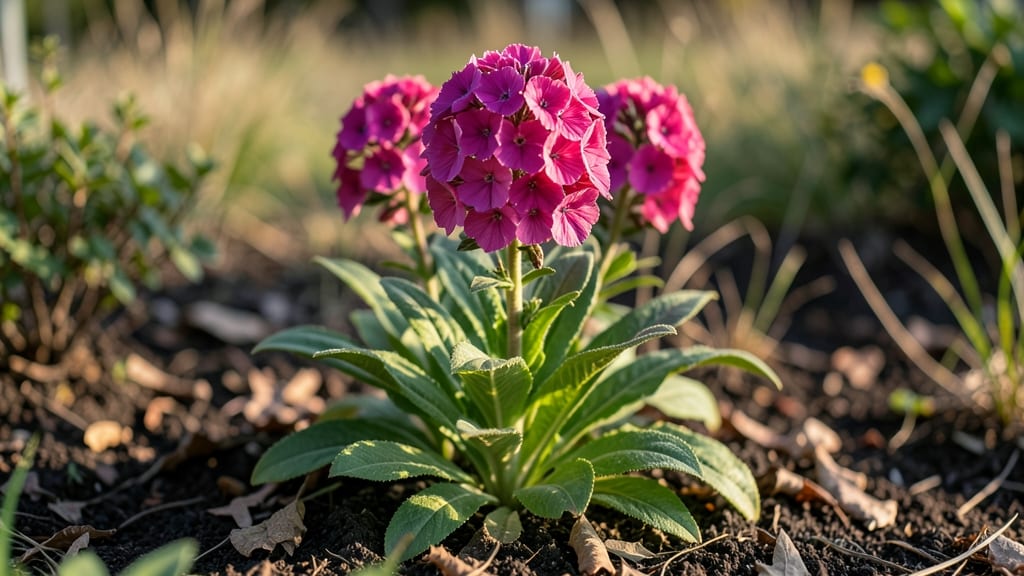
Garden phlox blooms from mid-summer through early fall, turning your yard into a fragrant, colorful showstopper 🌸.
If you’ve ever wondered when these stunning blooms appear—or how to coax the longest-lasting flowers—you’re in the right place. Timing isn’t just about aesthetics; it’s also about giving your phlox the care it needs to thrive.
Most varieties peak between July and September, but cooler climates like USDA Zone 6a may see blooms stretch into October. The key? Planting in well-drained soil after the last frost and ensuring full sun exposure.
Below, I’ll break down the best blooming windows by region, how to extend those vibrant flowers, and companion plants that make your display even more stunning.
Garden phlox blooming seasons: when and why they peak mid-summer to early fall
Garden phlox (Phlox paniculata) is one of summer's most reliable bloomers, delivering bold colors and sweet fragrance for weeks. Their peak blooming window typically spans from mid-July to early October, but exact timing depends on your USDA hardiness zone and the specific variety you grow.
Understanding these patterns helps you plan for the longest-lasting flower displays in your garden.
Most garden phlox varieties respond to temperature cues, particularly the cool nights of late summer that trigger bud formation.
In warmer climates (USDA zones 8-10), blooming may start as early as June and extend into November, while cooler zones (3-6) often see delayed blooms until late July or August. This natural variation creates opportunities for staggered planting to enjoy continuous color.
🌸
| Variety Type | Bloom Window | USDA Zones | Temperature Trigger | Color Duration |
|---|---|---|---|---|
| Early Season | Late June - Early August | 8-10 | 55-65°F nights | 4-6 weeks |
| Mid-Season | Mid-July - September | 5-9 | 60-70°F nights | 6-8 weeks |
| Late Season | August - October | 3-7 | 45-55°F nights | 5-7 weeks |
| Tall Garden | Mid-July - Early October | 4-9 | 50-65°F nights | 8-10 weeks |
| Dwarf Varieties | Late July - September | 5-10 | 55-70°F nights | 4-6 weeks |
The temperature triggers for phlox blooming are fascinating. Most varieties need cooler nighttime temperatures (typically between 50-70°F) to form flower buds. This explains why late summer blooms often peak when daytime heat begins to ease.
In hotter climates, phlox may even produce a second flush of blooms in fall when temperatures drop again.
For gardeners in USDA zones 3-5, the first frost often cuts blooming short, but varieties like 'David' and 'Lipstick' are bred for extended cold tolerance, sometimes lasting until November.
In warmer zones (8-10), phlox can continue blooming well into December if protected from unexpected frosts. This makes them ideal for year-round interest in milder climates.
Choosing the right phlox varieties can extend your bloom season dramatically. Early bloomers like 'Blue Paradise' start in late June, while late-season varieties such as 'White Delight' may not peak until September.
By planting a mix of 3-4 varieties, you can create a continuous color display from June through October. This strategy works especially well in border gardens or cutting gardens.
Light exposure also plays a critical role in bloom timing. While phlox thrives in full sun (6+ hours daily), partial shade (especially in hotter zones) can delay blooming by 2-3 weeks while preserving vibrant flower colors.
In shady gardens, opt for dwarf varieties like 'Nora Leigh', which tolerates 3-4 hours of sun while still producing compact blooms.
To maximize your phlox's blooming potential, pay attention to soil fertility and watering consistency. Well-draining soil with balanced nutrients (10-10-10 fertilizer) encourages
How to extend phlox blooms: pruning and care tips for longer-lasting flowers
Most garden phlox varieties bloom from mid-July to early September, but with the right care, you can stretch that vibrant display by 4-6 weeks. The secret lies in a combination of pruning techniques, balanced fertilization, and consistent moisture management.
These simple steps can transform your phlox from a fleeting summer showstopper into a prolonged autumn highlight.
I’ve found that deadheading spent blooms is the single most effective way to encourage reblooming. When you remove faded flowers, you redirect the plant’s energy from seed production back into new growth.
This method works best when done weekly during peak bloom, ideally using clean, sharp pruners to avoid damaging stems.
For organic gardeners, I recommend using a compost tea or fish emulsion fertilizer every 4-6 weeks during the growing season. These natural options provide essential nutrients without the risk of chemical buildup.
Chemical fertilizers like 10-10-10 blends also work well, but apply them sparingly—over-fertilizing can lead to lush foliage at the expense of flowers.
Most varieties peak between July and September, but timing varies by climate:
- USDA Zones 3-5: Late June to early October
- Zones 6-8: Mid-July to mid-September
- Zones 9-10: June to August (shorter bloom window)
Cooler evenings in Zones 6a and above often extend blooms into October, while hotter climates may see earlier fading.
Watering plays a crucial role in prolonging blooms. Phlox needs consistent moisture, especially during dry spells, but avoid waterlogging the roots. I water mine deeply in the morning to reduce fungal risks and encourage strong root development.
Mulching around the base with 2-3 inches of organic mulch helps retain moisture and regulate soil temperature.
Another pro tip I swear by is light pruning in early spring. Cut back the previous year’s growth by about one-third to encourage bushier, more vigorous new growth.
This also removes any diseased stems from winter. For established plants, a second light pruning in late summer can stimulate a final flush of blooms before frost.
To maximize your phlox’s potential, combine these techniques with proper spacing. Plant them 18-24 inches apart to allow airflow, which reduces disease risks like powdery mildew—a common issue that can shorten bloom time. With the right care, your phlox can continue dazzling well into autumn’s cooler months.