
Blooming
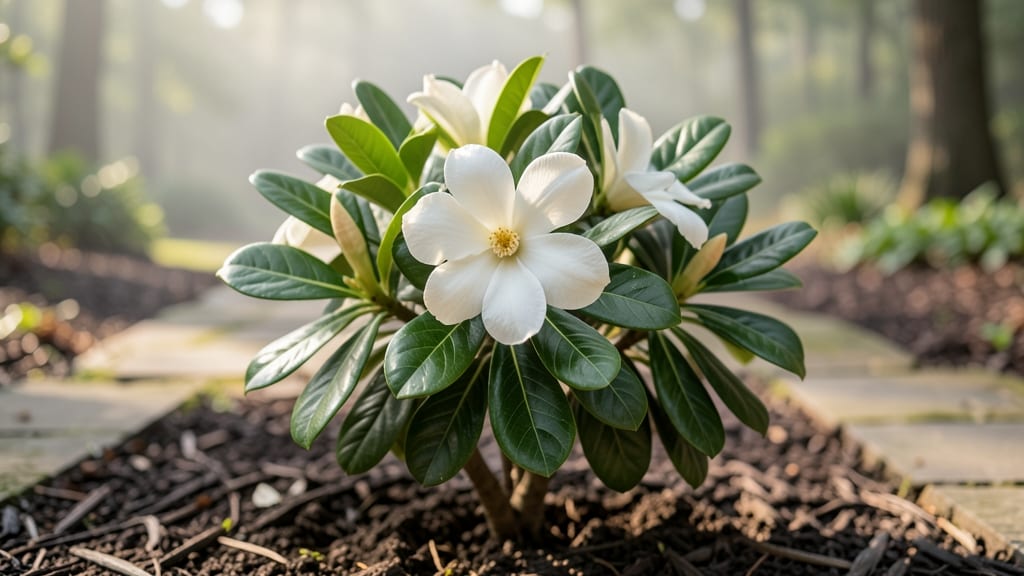
Gardenias bloom in North Carolina from late spring through summer, peaking between May and July, though exact timing shifts based on variety and regional climate.
North Carolina's varied climate creates a spectrum of blooming windows for gardenias. 🌸 In the warmer coastal plains, you might spot early blooms as soon as April, while mountain regions often wait until June or even July for optimal conditions.
The key factors here are temperature consistency and frost-free periods—gardenias need steady warmth to trigger their flowering cycle. For gardeners in transitional zones, choosing cold-hardy varieties like 'Kleim's Hardy' can push blooms earlier in the season.
What's interesting is how elevation plays a role: every 1,000 feet gain in altitude can delay blooming by about 2-3 weeks. This means a gardenia in Asheville might bloom two weeks later than one in Wilmington.
The fragrance peaks during these months too, making late spring and summer the best times to enjoy their signature sweet aroma. For maximum blooms, I recommend planting in well-draining soil with afternoon shade—this mimics their native tropical conditions while adapting to NC's climate variations.
💡 In This Article
- Factors Influencing Gardenia Bloom Times in NC
- Best Gardenia Varieties for North Carolina’s Bloom Seasons
Factors influencing gardenia bloom times in NC
North Carolina's diverse geography creates microclimates that dramatically affect when gardenias bloom. The state's three primary climate zones—coastal, piedmont, and mountain—each influence bloom timing differently. Coastal areas like Wilmington and Morehead City experience milder winters and longer growing seasons, allowing gardenias to begin blooming as early as April.
Meanwhile, mountainous regions like Boone or Waynesville often see blooms delayed until June or July due to cooler temperatures and shorter frost-free periods.
The elevation gradient plays a critical role: for every 1,000 feet increase in altitude, gardenias typically bloom 2-3 weeks later. This happens because cooler temperatures slow metabolic processes, delaying the plant's transition from vegetative growth to flowering.
Gardenias are also frost-sensitive, and even light freezes (28°F) can damage buds or leaves, pushing blooms later in the season. In transitional zones like Raleigh or Asheville, gardeners often see staggered blooming as some plants adapt faster to warming temperatures.
Sunlight exposure and soil conditions further refine bloom timing. Gardenias thrive in partial shade (4-6 hours of morning sun), which helps conserve moisture and prevents heat stress. In full sun, blooms may appear earlier but often wilt faster due to dehydration.
Soil pH between 5.0-6.5 is ideal—too alkaline (above 7.0) can lock out essential nutrients like iron, causing yellowing leaves and delayed flowering. The fragrance intensity also peaks during optimal bloom periods, with the most potent aromas occurring between 10 AM and 4 PM when temperatures are mild.
Heat waves above 90°F can stress gardenias, causing buds to drop before opening. This is why late-summer blooms in southern NC sometimes appear sparse. Conversely, consistent temperatures between 65-85°F during the growing season encourage prolonged flowering.
In coastal areas, humidity levels above 60% help maintain blooms, while drier piedmont regions may require supplemental watering to prevent bud drop. The interplay of these factors means bloom timing isn't just about the calendar—it's a delicate balance of environmental conditions.
For gardeners in NC, understanding these factors can help predict bloom windows with remarkable accuracy. For example, the 'Kleim's Hardy' variety often blooms 3-4 weeks earlier than 'Radicans' in the same location because it's bred for cold tolerance.
Similarly, mulching with 2-3 inches of organic material can moderate soil temperatures, extending the bloom season by 1-2 weeks in cooler regions. The key is observing your gardenia's response to local conditions and adjusting care accordingly.
One often-overlooked factor is the plant's age. Young gardenias (under 3 years old) may produce fewer blooms as they focus energy on root establishment. Mature plants, however, can bloom continuously from May through September if given proper care.
This age-related difference explains why newly planted gardenias sometimes appear "late" compared to established neighbors. Regular pruning after blooming also encourages stronger growth for next season's flowers.
To maximize bloom timing, consider these practical adjustments: plant in well-draining, acidic soil with afternoon shade; water deeply 2-3 times per week during dry spells; and apply a balanced fertilizer (10-10-10) in early spring before new growth begins.
These steps create ideal conditions for gardenias to follow their natural bloom cycles while adapting to NC's unique climate challenges. 🌿