
Tools
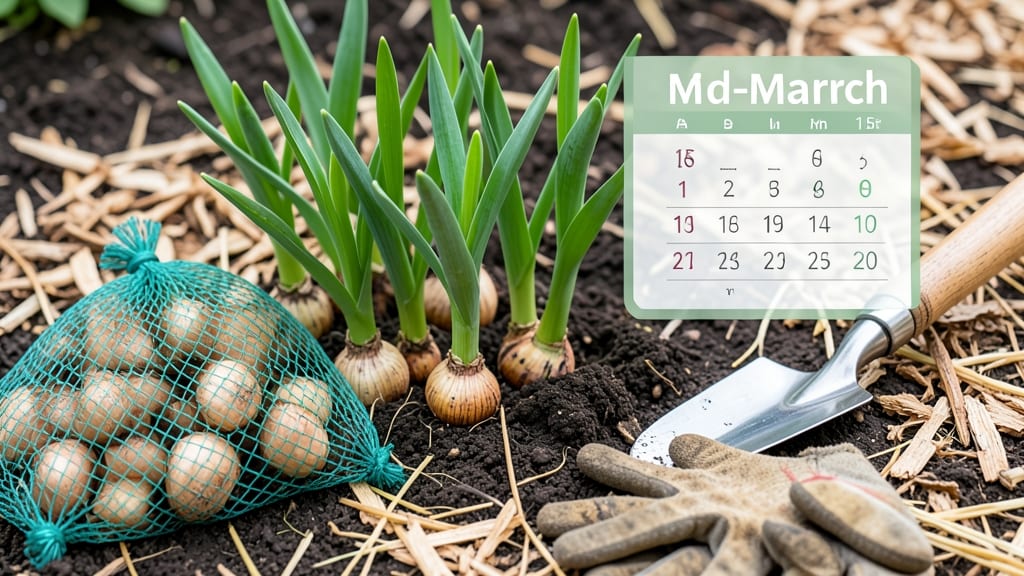
Gardening season starts between late winter and early spring, with precise timing depending on your USDA zone—cool-season crops like lettuce and peas typically begin in February to April, while warm-season plants like tomatoes wait until after the last frost date (usually late April to June). Always verify your local frost dates for accurate planting windows.
Your planting timeline depends heavily on your location's USDA zone and average last frost date.
For example, gardeners in Zone 5 might start cool-season crops in early March, while those in Zone 10 can plant year-round. 🌱 The key is watching soil temperatures—most cool-season crops thrive in 40-60°F soil, while warm-season plants need 60-80°F.
I always recommend checking your local agricultural extension service for hyper-local advice, as microclimates (like urban areas) can shift planting windows by weeks.
Another critical factor is plant type—cool-season vegetables like spinach and kale handle light frosts, while warm-season crops like peppers and cucumbers need consistent warmth. Some plants, like herbs and strawberries, adapt to multiple seasons, but their peak performance depends on timing.
For instance, planting tomatoes too early in cold soil can stunt their growth, even if the air temperature feels warm.
💡 In This Article
- USDA Zone Frost Dates: How Climate Affects Planting Timing
- Plant-Specific Gardening Season Starts by Type
USDA Zone frost dates: how climate affects planting timing
The USDA Plant Hardiness Zone Map divides North America into 13 zones based on average annual minimum temperatures, but what truly dictates gardening season is the last spring frost date.
This date marks the transition from winter to planting season, and it varies dramatically—Zone 3 (northern climates like Minnesota) averages its last frost around May 15, while Zone 10 (southern California) rarely sees frost at all.
The science behind this involves heat accumulation: plants need consistent warmth to germinate and thrive, and frost-free periods create that stable environment.
Soil temperature is equally critical—most cool-season crops like broccoli and carrots require soil at 40-60°F to germinate, while warm-season plants such as beans and squash need 60-80°F. For example, in Zone 5, gardeners often wait until soil reaches 50°F before planting tomatoes, even if air temperatures feel spring-like.
Microclimates further complicate timing: urban areas with concrete and buildings can be 5-10°F warmer than rural zones, creating localized planting windows that may be weeks earlier or later than official averages.
Understanding these patterns helps avoid common mistakes like planting too early, which can lead to frost damage or stunted growth. For instance, in Zone 7, planting warm-season crops like peppers before the last frost (typically around April 15) risks killing seedlings.
Conversely, in Zone 10, gardeners can plant year-round, but they must monitor soil moisture and pests, which thrive in warmer climates. The key is balancing zone guidelines with real-time data—tools like the National Oceanic and Atmospheric Administration (NOAA) frost maps provide hyper-local insights.
Another layer is the first fall frost, which determines when to harvest or protect tender plants. In Zone 4, this can occur as early as September 15, while Zone 8 may extend harvests until November 15.
This variation explains why some gardeners in colder zones focus on fast-maturing crops (like radishes in 25 days) while those in warmer zones can grow slower varieties (like heirloom tomatoes in 80+ days). 🌡️
For practical planning, I recommend using a frost calendar from your local agricultural extension office—these often include 10-year averages for more reliable predictions.
For example, in Zone 6, the last frost might average April 20, but checking a 10-year range could show it varies from March 25 to May 5, helping you prepare for early or late years.
This level of detail ensures you're not caught off guard by unexpected cold snaps.
Finally, don't overlook the role of elevation—higher altitudes (like Denver, CO, in Zone 5) can have frost dates 2-3 weeks later than sea-level areas in the same zone. This is why gardeners in mountainous regions often plant 2-4 weeks later than their zone suggests.
By accounting for these factors, you can align your planting schedule with nature's rhythm, not just the calendar.