
Tools
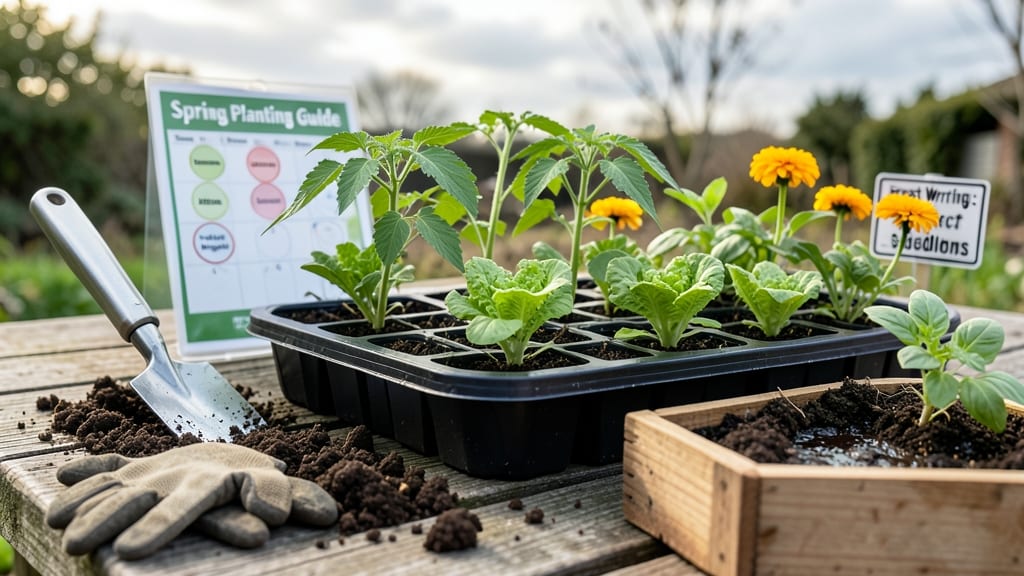
The best time to start planting a garden depends on your climate zone: warm regions should plant in early spring or fall, while cooler areas begin after the last frost (typically late April–May in most U.S. zones). Always verify local frost dates and soil temperatures for optimal success.
The timing of your garden's planting window isn't just about months—it's about soil warmth and frost-free periods. 🌱 For example, Southern gardeners can start cool-season crops like spinach in October, while Northern gardeners wait until mid-May.
I recommend using a frost calculator (available from local agricultural extensions) to pinpoint your exact window, as even nearby areas can vary by weeks. Pro tip: Test soil temperature with a thermometer—most seeds need at least 40°F for germination.
Your local microclimate matters too—urban areas often stay warmer than rural spots, creating earlier planting opportunities. Container gardening adds another layer, since pots warm up faster in spring.
For beginners, I suggest starting with cold-hardy crops like kale or peas in early spring, as they tolerate cooler soils better than tomatoes or peppers.
💡 In This Article
- How Climate Zones Determine Garden Planting Times
- Step-by-Step Planting Calendar by Region
How climate zones determine garden planting times
The USDA Plant Hardiness Zone Map divides North America into 13 zones based on average annual minimum temperatures. Each zone represents a 10°F difference in cold tolerance, which directly impacts when plants can safely grow outdoors.
For example, Zone 3 (like Minnesota) faces -40°F winters, while Zone 10 (like Southern California) stays above 30°F. This explains why Zone 3 gardeners wait until late May, while Zone 10 can plant cool crops in October.
Frost dates are the real game-changer. The last spring frost typically occurs when soil temperatures reach 50°F at 4-inch depth, signaling safe planting for warm-season crops like tomatoes.
Conversely, the first fall frost (when temps drop below 32°F) determines when to harvest or protect tender plants. 🌡️ Urban areas often experience "heat islands" that delay frost by 1-2 weeks compared to rural zones just miles away, thanks to concrete absorbing and radiating heat.
Seed viability also depends on soil warmth. Most vegetables need soil at 60-70°F to germinate properly. In cooler zones, gardeners use black plastic mulch to raise soil temps by 5-10°F faster than bare ground.
This technique lets Zone 5 gardeners plant warm crops 2-3 weeks earlier than without it. The science here involves enzyme activity in seeds—warmer soils trigger enzymes that break down seed coatings for germination.
Microclimates create planting puzzles even within small areas. A south-facing wall can be 10°F warmer than the north side of your yard, allowing earlier planting of heat-lovers like basil. Similarly, low spots collect cold air and frost later.
I've seen gardeners in Zone 6 plant tomatoes on a sunny hillside in early May while their valley neighbors wait until June. 🌿 The solution? Observe your yard for 3-5 years to map these microclimates before planting.
For container gardeners, the rules shift dramatically. Pots heat up 30-50% faster than in-ground soil, meaning you can plant 4-6 weeks earlier in spring. This is why urban balconies often have thriving tomato plants while ground gardens in the same zone are still covered in frost cloth.
The key is monitoring pot soil temps with a thermometer—65°F is the magic number for most warm-season starters.
Don't overlook the role of nighttime temperatures. Many tropical plants (like peppers) need nights above 60°F to thrive, while cool-season crops (like lettuce) can handle 40°F nights. This explains why Zone 7 gardeners can plant basil in May but might need to wait until June for peppers.
The solution? Use row covers or cold frames to extend the growing season in both directions.