
Fertilization
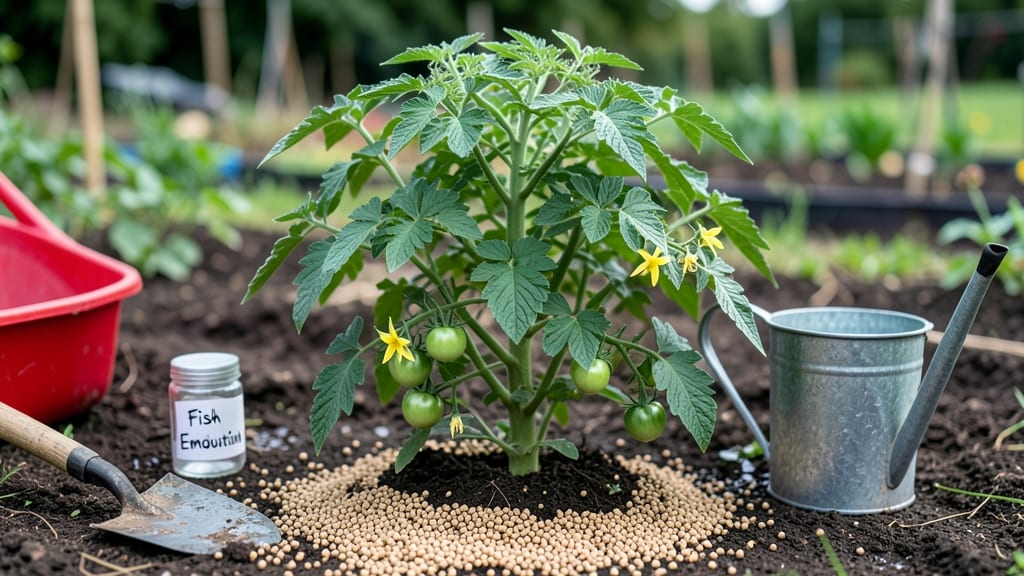
You should fertilize your garden when new growth appears in spring and again in early fall to boost next year’s harvest—timing makes all the difference between thriving plants and wasted nutrients.
Picture this: You spread fertilizer in July, only to watch your tomatoes bolt to seed or your zucchini turn bitter. That’s not a fertilizer problem—it’s a timing problem. The right schedule keeps your soil rich without burning roots or leaching away before plants can use it.
Most gardeners focus on spring feeding, but fall is just as critical. A light application in September strengthens roots for winter, while skipping it leaves plants vulnerable to frost. And don’t forget: soil tests reveal what your plants actually need—sometimes it’s nothing at all.
In this guide, I’ll break down the exact months to fertilize for your zone, how to read your plants’ hunger signals (yellow leaves aren’t always a cry for nitrogen), and the one mistake that turns your garden into a chemical wasteland. Let’s grow what you plant.

Best times to fertilize your garden by season (spring vs. fall breakdown)
Timing matters more than most gardeners realize when it comes to fertilizing. Spring and fall are the golden windows for feeding your plants, but the wrong timing can burn roots or waste nutrients.
In spring, I focus on pre-planting to jumpstart growth, while fall fertilization helps plants store energy for next year. Let’s break down the perfect schedule for vegetables, flowers, and perennials.
Your garden’s needs shift dramatically between seasons. Early spring fertilization (right after the last frost) gives plants the nitrogen boost they need to break dormancy, while late summer/early fall feeding supports root development before winter.
Avoid fertilizing in extreme heat or drought—plants can’t absorb nutrients efficiently, and you risk burning foliage or wasting fertilizer.
Here’s the seasonal breakdown you need to maximize growth without overdoing it:
| Season | Best Fertilization Time | Plant Types to Target | Fertilizer Type | Key Tips |
|---|---|---|---|---|
| Early Spring (March-April) | 4-6 weeks before planting | Vegetables, annuals, perennials | Balanced (10-10-10) or compost | Test soil first! Add compost for organic matter. |
| Late Spring (May-June) | When new growth appears | Leafy greens, flowering plants | High-nitrogen (for greens) or bloom booster | Water deeply after applying to avoid burn. |
| Summer (July-August) | Avoid peak heat; feed early/late | Tomatoes, peppers, herbs | Low-nitrogen, high-phosphorus | Use slow-release fertilizer to prevent runoff. |
| Early Fall (September-October) | 6-8 weeks before first frost | Perennials, bulbs, lawns | Balanced or organic (compost/manure) | Helps roots harden off for winter. |
| Winter (November-February) | None (dormant season) | All plants | N/A | Focus on soil prep instead of feeding. |
For vegetables, I prioritize nitrogen-rich fertilizers in spring to build leafy growth, then switch to phosphorus-heavy feeds in summer for fruiting plants like tomatoes and peppers. Perennials benefit from a fall feeding with compost or a slow-release fertilizer to strengthen roots before winter. Lawns need a spring and fall feeding—never in summer’s heat!
Watch for weather warnings before fertilizing. Heavy rain can wash away nutrients, while drought conditions stress plants, making them unable to absorb fertilizer. Always water 24 hours before and after applying fertilizer to help roots uptake nutrients safely. If your soil feels dry or crumbly, hold off until it’s moist.
Organic options like compost tea or fish emulsion are gentler for sensitive plants, while synthetic granules work well for high-demand crops. I recommend testing your soil every 2-3 years to adjust your fertilization plan—some soils already have enough nutrients, and overdoing it can harm microbial life.
A simple DIY soil test (vinegar + baking soda) can reveal pH issues before you buy fertilizer.
Pro tip: Side-dressing (applying fertilizer beside plant roots) is more effective than broadcasting for vegetables. For container gardens, use half the recommended dose since roots have less space to absorb nutrients. Always follow the label instructions—more isn’t better when it comes to fertilizing!
Remember, less is often more in gardening. A light feeding every 4-6 weeks during the growing season keeps plants thriving without risking nutrient burnout. By mastering this seasonal rhythm, you’ll see healthier plants, better yields, and fewer pests—all while saving money and reducing waste. 🌱
How to tell if your garden needs fertilizer (signs + soil tests explained)
Your plants send clear signals when they’re hungry—or when you’ve overfed them. Yellowing leaves often mean nitrogen deficiency, but burnt leaf edges? That’s a classic sign of over-fertilization. The trick is learning to read these clues before your garden’s health suffers.
I’ve spent years watching my tomatoes turn pale green from phosphorus starvation or my marigolds crisp at the edges from too much salt. Don’t wait until your plants scream for help—catch the early warnings.
Start by checking the leaf color and growth patterns. Healthy leaves are vibrant green, while nutrient-deficient ones develop yellow (chlorosis) or purple (phosphorus deficiency) hues. Stunted growth or weak stems? Your plants might be starving.
Even worse, brown leaf tips or wilting can mean you’ve given them too much fertilizer. The soil might look rich, but plants need the right nutrients at the right time—or they’ll reject them entirely.
Here’s the key-takeaway you need to act now:
When Should You Fertilize Your Garden?
Pro Tip: Always water deeply before and after applying fertilizer to prevent root burn.
For a definitive answer, test your soil every 2-3 years. A simple DIY kit (available at garden centers for under $20) checks pH and basic nutrients.
If your soil tests show balanced levels (pH 6.0–7.0 for most veggies), you might not need fertilizer at all—just compost or aged manure for organic matter.
I once tested my garden soil and found it had enough phosphorus, so I switched to a low-phosphorus fertilizer and saw healthier blooms in my roses.
Don’t ignore the roots either. Gently dig up a small plant and inspect the roots. Healthy roots are white or light tan and spread outward. Dark, mushy, or tangled roots? That’s a sign of over-fertilization or disease.
If roots look sparse or stunted, your plants need nutrients—but not necessarily fertilizer. Sometimes, they’re begging for better soil structure or more organic matter.
Remember, less is often more with fertilizer. I’ve learned the hard way that my garden doesn’t need monthly feeding—most plants thrive with 2-3 applications per year. Pay attention to the plant type: leafy greens like spinach need more nitrogen, while flowering plants (like tomatoes) crave phosphorus.
Match your fertilizer to the job, and your garden will reward you with bigger yields and fewer problems.
Next time you see your plants struggling, pause before reaching for the fertilizer. Ask: Are they hungry or overfed? The answer might surprise you—and save your garden from a costly mistake. 🌱