
Planting
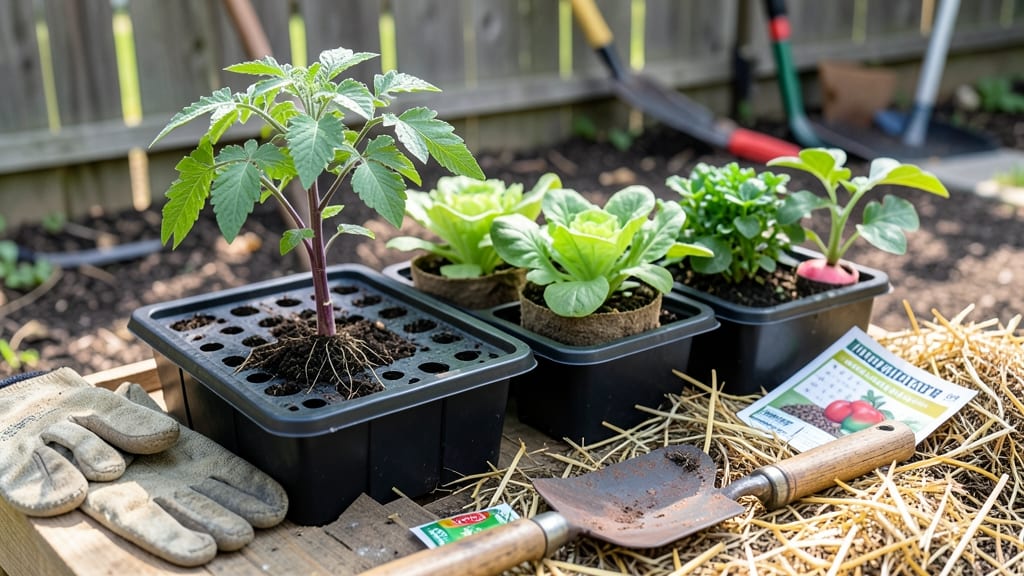
To plant a garden in Michigan, you should start outdoors after your last spring frost—typically mid-April in the south and early June in the Upper Peninsula.
Michigan’s unpredictable frost dates can turn a gardener’s dream into a frozen nightmare—unless you time your planting just right. Knowing the exact frost-free windows for each crop ensures your garden thrives from spring to fall, whether you’re growing tomatoes, peas, or perennials.
This guide breaks down the best planting windows by region, so you can avoid common mistakes like starting too early in cooler zones or missing the short window for warm-season crops. With the right timing, you’ll maximize your harvest and keep your plants happy all season long.
Inside, you’ll find a month-by-month planting schedule tailored to Michigan’s climate, plus tips for extending the growing season with row covers and cold frames. Let’s get your garden off to the best start!
Michigan’s frost dates by region: when to start planting outdoors
Michigan’s frost dates vary dramatically across its three main regions, making timing your garden’s most critical factor. The Upper Peninsula, Northern Lower Peninsula, and Southern Michigan each have distinct frost-free windows that determine when to plant everything from tomatoes to perennials.
Getting these dates wrong can mean lost seedlings or stunted harvests—so let’s break it down.
For direct sowing (planting seeds outdoors), you’ll want to wait until the last average frost date has passed. For transplanting (moving seedlings from pots to soil), aim for 2-4 weeks after that date to give young plants time to establish roots.
Meanwhile, the first fall frost signals when to harvest warm-season crops before temperatures drop.
Here’s how Michigan’s three regions compare in terms of frost dates and planting windows:
In the Upper Peninsula, where winters linger longer, your frost-free window is the shortest—just 125–130 days. This means you’ll need to focus on fast-maturing varieties like bush beans (50 days) or radishes (25 days).
For perennials like asparagus or rhubarb, plant crowns in early spring before the ground thaws completely.
Moving to the Northern Lower Peninsula, you gain an extra 25–30 frost-free days, giving you room for slightly slower growers like zucchini (50–60 days) or cucumbers (60–70 days). Here, I recommend starting cool-season crops like spinach or kale in early April under frost cloth to jumpstart growth.
Southern Michigan’s longer season lets you push the envelope with warm-season vegetables like tomatoes and peppers. With 165–175 frost-free days, you can even try two plantings of tomatoes: one in early May and another in late June for a fall harvest.
For herbs like basil, wait until soil temperatures hit 60°F (usually late May) to avoid stunted growth.
To use these dates effectively, I suggest tracking your local microclimate. A valley or low-lying area might frost 5–7 days later than a hilltop. For real-time updates, check the Michigan State University Extension’s frost date maps or use a frost-sensitive plant like coleus as an early warning system.
Pro tip: If you’re in a transition zone (like Mid-Michigan), err on the side of caution. Plant warm-season crops after May 15 and use row covers to protect seedlings from unexpected late frosts.
For flowers, like marigolds or sunflowers, you can sow seeds directly as soon as the soil is workable—often 2–3 weeks before your last frost date.
Remember, these are average dates, not guarantees. Keep a garden journal for at least 3 years to refine your local planting schedule. With the right timing, Michigan’s short growing season can still yield bountiful harvests—even in the coldest regions!
Best planting timeline for Michigan crops: cool-season vs. warm-season vegetables
Michigan’s short growing season demands precision when planting vegetables. Cool-season crops like spinach and kale thrive in spring and fall, while tomatoes and peppers need warm soil.
Timing is everything—miss the window, and you risk stunted growth or frost damage. Let’s break down the best months for each crop to maximize your harvest.
Start by understanding Michigan’s frost-free dates. Southern Michigan typically sees its last frost around May 10-20, while northern regions wait until May 25-June 5. Use these dates as your guide, but always check local forecasts.
For cool-season crops, you can plant 4-6 weeks before the last expected frost, while warm-season crops need soil temperatures above 60°F.
- March-April: Start cool-season crops indoors (spinach, lettuce, peas). Harden off seedlings before transplanting.
- April-May: Direct sow cool-season crops outdoors (kale, radishes, carrots) as soon as soil is workable.
- May-June: Plant warm-season crops (tomatoes, peppers, cucumbers) after last frost when soil reaches 60°F.
- June-July: Begin succession planting for warm-season crops (e.g., beans, zucchini) every 2-3 weeks.
- July-August: Sow fall cool-season crops (broccoli, Brussels sprouts) for late harvests.
- August-September: Extend warm-season crops (e.g., basil, bush beans) with row covers for earlier frosts.
Cool-season crops like spinach and peas love Michigan’s cool spring temperatures. Plant them as early as March under row covers or in greenhouses. These crops can even handle light frosts, making them ideal for early spring.
For best results, sow seeds every 2 weeks until early June to ensure a continuous harvest.
Warm-season crops, such as tomatoes and peppers, need warmth to thrive. Wait until after the last frost and when soil temperatures are consistently above 60°F. In Michigan, this usually means late May to early June for southern regions and June for northern areas.
Use black plastic mulch to warm the soil faster if needed.
Succession planting is your secret weapon for a longer harvest season. For warm-season crops like zucchini or bush beans, sow new seeds every 2-3 weeks until early July.
This ensures you’re always getting fresh produce. For cool-season crops in fall, plant broccoli or Brussels sprouts in late July for a harvest before winter sets in.
Don’t forget to plan for fall harvests! Many cool-season crops can tolerate light frosts and even taste sweeter after a frost. Start planting kale, spinach, and radishes in early August for a late-season bounty.
Use row covers to protect tender crops from early frosts and extend your growing season.