
Planting
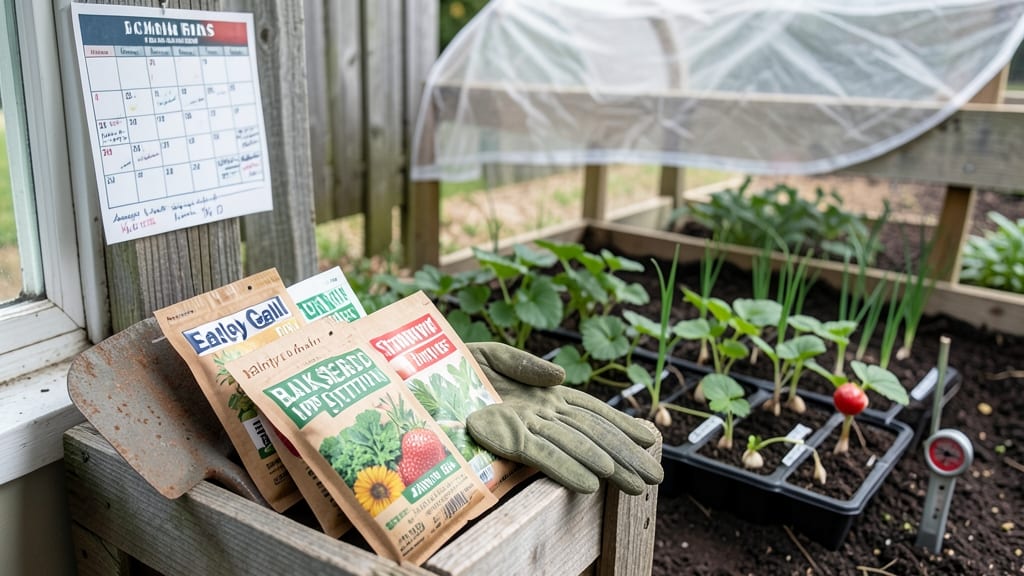
Planting your garden in Michigan the right time means catching that narrow window between last frost and summer heat—typically between mid-April and early June for hardiness zones 5b-6b.
Michigan’s unpredictable spring weather can turn a gardener’s excitement into frustration—plant too early, and frost ruins your hard work; too late, and your harvest lags behind. But with the right timing, you can maximize yields for zero-frost-risk crops like tomatoes, peppers, and squash.
This isn’t just about dates—it’s about soil temperature, too. Waiting until the ground warms to at least 55°F ensures roots grow strong, not rot. In Detroit, that might mean holding off until late May, while Traverse City’s cooler climate could push planting into early June.
Below, I’ll break down the exact weeks to plant by crop, how to adjust for late frosts, and the top 5 foolproof varieties that thrive in Michigan’s climate—so you can finally stop guessing and start growing.
Michigan’s frost-free planting timeline by hardiness zone 5b-6b
Timing your garden in Michigan’s hardiness zones 5b-6b means the difference between a bountiful harvest and wasted effort. Warm-season crops like tomatoes, peppers, and cucumbers need consistent soil temperatures above 55°F and frost-free conditions to thrive.
Since Michigan’s last frost typically arrives between April 15–May 15, planning your schedule around these dates—and your specific region—is key to success.
Regional variations matter too. Detroit’s urban heat island effect can warm soil faster, while Traverse City’s lakeshore breezes may delay frost-free dates by a week or more. Grand Rapids sits in the middle, offering a balanced timeline.
Below, I’ve broken down the week-by-week planting schedule for your zero-frost-risk crops, including soil prep tips and transplant windows to ensure your garden gets off to the right start.
| Crop | Zone 5b (Detroit) | Zone 6a (Grand Rapids) | Zone 6b (Traverse City) | Soil Temp Threshold |
|---|---|---|---|---|
| Tomatoes | May 1–15 (after last frost) | April 25–May 5 | May 1–10 | 55°F+ |
| Peppers | May 15–30 (soil 65°F+) | May 1–15 (soil 65°F+) | May 10–25 | 65°F+ |
| Cucumbers | May 1–15 (after frost) | April 25–May 5 | May 1–10 | 55°F+ |
| Squash | May 10–25 (soil 60°F+) | May 1–10 (soil 60°F+) | May 1–15 | 60°F+ |
| Green Beans | April 25–May 15 (soil 50°F+) | April 15–25 (soil 50°F+) | May 1–10 | 50°F+ |
| Corn | May 15–30 (soil 60°F+) | May 1–15 (soil 60°F+) | May 10–25 | 60°F+ |
For Detroit gardeners in zone 5b, wait until May 1 to plant heat-loving crops like tomatoes and peppers. The city’s urban heat can speed up soil warming, but a late frost is still possible.
Use row covers if nighttime temps dip below 50°F after planting. Test your soil temperature with a soil thermometer—it should stay above 55°F for at least a week before transplanting seedlings.
Grand Rapids’ zone 6a offers a slightly earlier window. Start cucumbers and green beans as early as April 25, but hold off on peppers until May 1—they need warmer soil to germinate.
The region’s cooler nights mean you’ll need to monitor soil moisture closely, as dry spells can stress young plants. Mulch with straw to retain heat and reduce watering needs.
Traverse City’s zone 6b is trickier due to lakeshore breezes, which can delay warming. Plant tomatoes and squash no earlier than May 1, and consider using black plastic mulch to raise soil temperatures faster.
If you’re in doubt, err on the side of caution—a few extra days of waiting can save your entire crop from frost damage.
No matter your zone, always harden off seedlings for 7–10 days before transplanting. Acclimate them to outdoor conditions by gradually increasing their exposure to wind, sun, and temperature fluctuations. This step is critical for peppers and tomatoes, which are particularly sensitive to transplant shock.
Pair hardening off with a balanced fertilizer (like 10-10-10) at planting time to give your crops a strong start.
Pro tip: Keep a gardening journal to track your local frost dates and soil temperatures. Over time, you’ll notice patterns that differ from the averages.
For example, my garden in zone 5b near Detroit had a late frost on May 3 last year—knowing this helped me adjust my basil planting date by a week. Adjusting your timeline based on real data is the key
How to adjust planting dates for early vs. late Michigan springs
Michigan’s spring weather can shift dramatically from year to year, leaving gardeners unsure whether to plant early or wait. A late frost in May or an unusually warm April can throw off even the most experienced grower.
The key is flexibility—using season extension tools and succession planting to adapt your schedule without sacrificing your harvest. For zones 5b-6b, this means knowing how to adjust your timeline by 2-4 weeks in either direction.
Start by tracking your local last frost dates for the past 5 years. In southern Michigan (zone 6b), the average last frost is April 15-20, but northern areas (zone 5b) can see frost as late as May 10-15.
If your spring arrives early, you’ll need to push back planting dates to avoid frost damage to tender crops like tomatoes and peppers. Conversely, a late spring means starting seeds indoors earlier or using protective covers to jumpstart your garden.
Here’s how to make real-time adjustments based on your spring’s behavior:
- 🌱 Monitor soil temps: Use a soil thermometer—most warm-season crops need soil at 55°F+ for 1-2 weeks before planting.
- 🌡️ Adjust for early spring: If frost risk lingers, plant cool-season crops (like lettuce or peas) early, then use row covers to protect warm-season plants.
- ✂️ Succession plant: For late springs, stagger plantings every 2 weeks—this ensures a continuous harvest even if early crops fail.
- 🪴 Use cold frames: Extend the season by 3-4 weeks for early starts or late finishes. Ideal for spinach, kale, and radishes.
- 📅 Calculate safe transplant dates: Subtract 14 days for every 10°F below average soil temps to estimate delays.
For example, if your soil stays below 50°F for 3 weeks past the average last frost, delay planting tomatoes by 21 days. This simple math prevents the heartbreak of frost-killed seedlings.
I’ve used this method in my own garden in zone 5b, and it’s saved my pepper plants twice in the last 5 years.
Another trick is to plant fast-maturing varieties first. Crops like bush beans (50-60 days to harvest) or radishes (25-30 days) can go in the ground as soon as the soil is workable, even if nights are still chilly.
These act as sacrificial plants—they give you an early harvest or signal when it’s safe to plant heat-lovers like cucumbers or eggplants.
Don’t forget about microclimates in your yard. South-facing beds warm up faster than north-facing ones, so they’re perfect for early plantings. I always plant my tomato seedlings in the sunniest spot first, then move others as the season progresses.
This staggered approach ensures I’m not left with a garden full of bolting lettuce or stunted peppers.
Finally, keep a planting journal to track what works each year. Note the exact dates you planted, any frost events, and how well each crop performed. Over time, you’ll develop a customized planting calendar tailored to your Michigan microclimate—no more guesswork! 🌱