
Planting
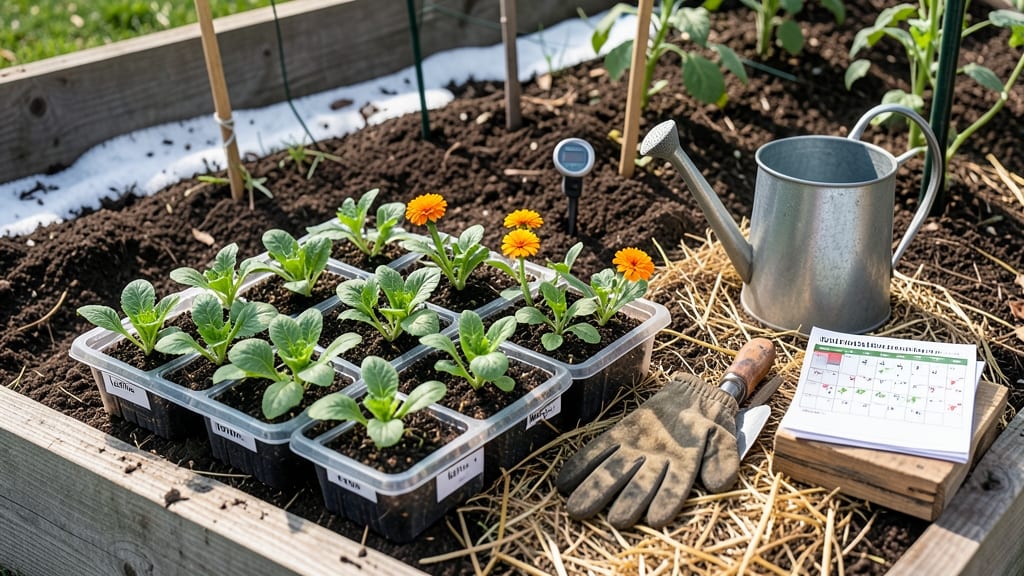
Planting a garden in Michigan at the right time means catching the short window between frost and summer heat — and missing it can mean lost crops or stunted growth.
Michigan’s unpredictable frost dates can make or break your garden—plant too early and risk losing your crops, too late and miss the growing season entirely.
Whether you’re sowing cool-season crops like lettuce or waiting for the soil to warm up for tomatoes, timing is everything. The key is knowing your USDA zone and adjusting for local microclimates.
In this guide, I’ll break down the best planting schedules by crop type, frost dates by zone, and tips to extend your growing season so you can enjoy a bountiful harvest from spring to fall.
Michigan frost dates by Zone: when to plant cool vs warm season crops
Michigan’s USDA hardiness zones 4b through 6a create a diverse planting landscape, where last frost dates can vary by 2-3 weeks between northern and southern regions.
Understanding these frost-free windows is critical—cool-season crops like lettuce and peas thrive in early spring, while tomatoes and peppers need warmer soil and air temperatures. Let’s break down the zone-specific frost dates and how they shape your planting schedule.
In Zone 4b (northern Michigan), the average last frost date falls around May 15, while Zone 6a (southern Michigan) typically sees frost-free conditions by April 20. These dates mark the transition from cool-season planting (like spinach and kale) to warm-season crops (such as cucumbers and beans).
However, microclimates near lakes or urban areas can shift these dates by 1-2 weeks earlier or later.
For gardeners in Zone 5a (central Michigan), the last frost date usually lands around May 1, giving you a 10-14 day window to prepare soil and start warm-season seeds indoors.
Meanwhile, Zone 6a gardeners can begin direct sowing tomatoes and peppers as early as April 25, while Zone 4b growers should wait until May 20 to avoid frost damage.
| Zone | Avg. Last Frost | Avg. First Frost | Cool-Season Planting | Warm-Season Planting |
|---|---|---|---|---|
| 4b (Northern MI) | May 15 | October 5 | March 15 - April 15 | May 20 - June 1 |
| 5a (Central MI) | May 1 | October 10 | March 1 - April 10 | April 25 - May 15 |
| 6a (Southern MI) | April 20 | October 15 | February 20 - April 5 | April 10 - May 1 |
*Dates are averages—always monitor local forecasts and soil temperatures!
Cool-season crops like spinach, peas, and kale can handle light frosts and should be planted 4-6 weeks before your average last frost date. For example, in Zone 5a, sow spinach seeds by March 15 for an early harvest.
Meanwhile, warm-season crops such as tomatoes, peppers, and squash require soil temperatures above 60°F and should only be planted after the last frost risk has passed.
For Zone 6a gardeners, this means tomato seedlings can go into the ground by April 25, while Zone 4b growers should wait until May 20 to avoid frost damage.
A simple soil thermometer can help you track warmth progression—aim for 50°F for peas and 65°F for tomatoes before planting. Row covers can also extend your planting window by 2-3 weeks in early spring.
One of the biggest mistakes I see is planting warm-season crops too early. Even if the air feels warm, cold soil can stunt seed germination.
For instance, cucumber seeds won’t sprout below 60°F, so wait until late May in Zone 4b or early May in Zone 6a. Peppers, which are even more sensitive, need 70°F soil—so start them indoors 8-10 weeks before your last frost date.
Don’t forget about fall planting! Cool-season crops can often be sown again in late summer for a fall harvest. In Zone 5a, you can plant broccoli and carrots by August 1 for a harvest before the first frost.
Use a frost calendar from your local Michigan State University Extension office to fine-tune these dates—some years, frost arrives 2 weeks early, while others it lingers late.
Pro tip: Keep a gardening journal to track your actual frost dates over
Best planting schedule for Michigan’s most popular vegetables
Michigan gardeners know timing is everything—especially with our unpredictable frost dates and short growing seasons. Whether you're in southern Michigan (Zone 6a) or northern Michigan (Zone 4b), knowing when to plant your favorite vegetables ensures a bountiful harvest.
Let’s break down the best month-by-month schedule for Michigan’s top crops, so you can avoid common mistakes and maximize your garden’s potential.
Start with cool-season crops like peas and lettuce in early spring, then transition to warm-season favorites such as tomatoes and peppers once the soil warms. Michigan’s last frost dates typically range from mid-April in the south to late May in the north, but always check local forecasts.
Use this schedule as your guide, adjusting for your specific USDA zone and microclimate.
- March: Plant peas, spinach, and radishes as soon as soil is workable (around 40°F). These cool-loving crops thrive in early spring before temperatures rise.
- April: Direct-sow lettuce, kale, and carrots. Start tomato and pepper seeds indoors 6-8 weeks before last frost for a head start.
- May: After last frost (usually mid-to-late May), transplant tomatoes, peppers, and eggplants. Also plant beans, cucumbers, and squash directly into warm soil.
- June: Sow summer squash, zucchini, and corn. This is also the last chance to plant late-season crops like bush beans.
- July: For fall harvests, direct-sow lettuce, spinach, and radishes. Transplant broccoli and cabbage for late-season growth.
- August: Extend the season with kale, Swiss chard, and Brussels sprouts. These cold-hardy crops can handle light frosts.
Don’t forget to succession plant fast-growing crops like radishes and lettuce every 2-3 weeks for continuous harvests. For warm-season crops like tomatoes, use row covers to protect young plants from unexpected late frosts.
My garden thrives when I follow this schedule, and I’ve learned that adjusting for your zone is key—especially in Michigan’s variable climate.
Pro tip: Use Michigan State University Extension’s frost date maps to fine-tune your planting. In Zone 6a (southern Michigan), you can plant tomatoes as early as late April, while Zone 4b (northern Michigan) gardeners should wait until mid-May.
Always monitor soil temperatures—most warm-season crops need soil at 60°F or warmer to germinate properly.
Finally, keep a gardening journal to track your planting dates and outcomes. Over time, you’ll notice patterns in your local microclimate and refine your schedule.
Whether you’re a beginner gardener or a seasoned pro, sticking to this timeline will help you avoid common pitfalls and enjoy a productive harvest all season long.
With the right timing, Michigan’s growing season can be incredibly rewarding—just don’t let frost catch you off guard! 🌱