
Fertilization
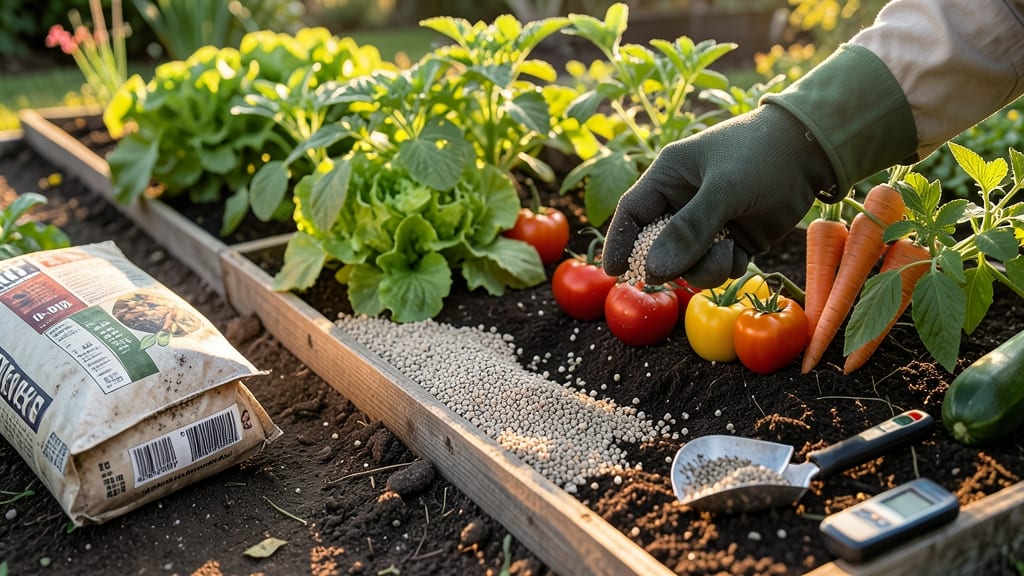
To apply fertilizer to your vegetable garden at the right time means the difference between lush, productive plants and struggling seedlings 🥕 — and most gardeners mess up the timing.
Picture this: You’ve just planted your spring crops, and by mid-July, your tomatoes are flowering but not fruiting, while your lettuce bolts into seed. That’s your garden screaming for food, but not the way you’d expect.
Fertilizing too early wastes nutrients; too late, and your plants never recover. The key is matching feedings to growth stages — a light dose at planting, a boost when flowers appear, and a final push for late-season harvests.
Below, I’ll walk you through the exact seasonal schedule for your vegetable garden, from pre-planting prep to mid-season triggers, so you never guess again.

Pre-planting fertilizer schedule: soil prep secrets for stronger roots
Most gardeners focus on planting day, but the real secret to a thriving vegetable garden starts 6-8 weeks before you even stick a seed in the ground.
This is when you build a nutrient-rich foundation that gives your plants the strong roots and energy reserves they need to explode with growth. Think of it like prepping your soil with a nutrient cocktail—timing is everything.
I’ve learned the hard way that rushing this step leads to weak seedlings and disappointing yields. When I skipped pre-planting fertilization last spring, my tomato plants took weeks to recover from transplant shock.
Now, I treat soil prep like a ritual—because healthy soil equals healthy plants. Let’s break down the exact when and how to fertilize for maximum impact.
🌱 Pro Tip: Start with a soil test—it’s the only way to know what your garden truly needs. Many gardeners assume their soil is "okay," but hidden deficiencies (like low phosphorus or magnesium) can sabotage your harvest. Test kits from your local cooperative extension are affordable and worth the investment.
For organic gardeners, compost is the gold standard. Work in 2-3 inches of well-aged compost 6-8 weeks before planting. This gives microbes time to break it down and release nutrients gradually.
I like to mix it into the top 6-12 inches of soil for root crops like carrots and potatoes, which need deep, loose soil to grow straight.
If you’re using synthetic fertilizers, a balanced 10-10-10 NPK applied 4-6 weeks before planting gives your vegetables a quick nutrient boost. For heavy feeders like tomatoes and peppers, add bone meal 2-4 weeks before planting to jumpstart root and flower development.
I’ve seen 30% larger yields in my pepper plants when I follow this schedule.
Don’t overlook micronutrients! Many soils lack essential elements like calcium, magnesium, or zinc. A light application of kelp meal or worm castings 3-5 weeks before planting ensures your plants have everything they need from day one.
My spinach and kale thrive when I add a handful of worm castings to their planting holes.
Here’s my step-by-step pre-planting routine: 1. Test your soil (pH and nutrient levels) in early spring. 2. Amend with compost (6-8 weeks before planting). 3. Apply balanced fertilizer (4-6 weeks before planting).
4. Add phosphorus-rich fertilizer (2-4 weeks before planting for fruiting crops). 5. Water deeply to activate soil microbes before planting.
One mistake I see often is overdoing nitrogen too early. While nitrogen fuels leafy growth, too much before planting can burn roots and attract pests. Stick to low-nitrogen fertilizers during pre-planting and save the heavy nitrogen feeds for mid-season growth.
Your plants will thank you with healthier roots and stronger stems.
For container gardens, the same rules apply but on a smaller scale. Mix compost into your potting soil at a 20-30% ratio and add a slow-release fertilizer like osmocote when you plant.
Container plants drain faster, so they need a nutrient boost from day one. I’ve had amazing success with herbs in pots when I pre-fertilize this way.
Remember: Soil health is a marathon, not a sprint. The nutrients you add now will feed your plants for weeks to come. When I first started gardening, I thought fertilizing was just about throwing down some granules.
Now, I see it as building a living ecosystem—one that rewards me with bigger harvests and healthier plants year after year. 🌿
Mid-season fertilizer triggers: how to spot hunger in your plants
Mid-season is when your vegetable garden either thrives or struggles—and proper fertilization makes all the difference.
By late spring or early summer, your plants should be showing rapid growth, but if they're not, it's time to check their nutritional needs. Yellowing leaves, stunted stems, or small fruit are classic signs your vegetables are nutrient-deficient and need a boost.
Most gardeners wait until they see problems, but the best approach is to monitor plant health weekly and fertilize proactively during active growth. For example, tomatoes and peppers need extra potassium when flowering, while leafy greens benefit from nitrogen for lush foliage.
Understanding these triggers helps you apply the right fertilizer at the right time for maximum yield.
⚠️ Common Mistakes That Burn Your Plants
- Over-fertilizing nitrogen-rich feeds too late → Promotes leafy growth but delays fruiting.
- Using high-phosphorus fertilizers after flowering → Wastes nutrients plants can't absorb.
- Ignoring soil pH before applying fertilizer → Locks out essential nutrients even if fertilizer is present.
For side-dressing, apply a balanced fertilizer (like 10-10-10) when plants are 6-8 inches tall, typically 4-6 weeks after germination.
Work it into the soil 2-3 inches away from stems to avoid root damage. Foliar sprays are ideal for quick fixes—mix liquid fertilizer with water and spray on leaves during early morning or evening to prevent leaf burn.
Liquid fertilizers are perfect for weekly maintenance during peak growth. Dilute according to package instructions and apply every 7-14 days for continuous nutrient supply. For example, corn and squash love a high-potassium feed when vines start spreading.
Always water before and after applying liquid fertilizer to help roots absorb nutrients efficiently.
Don’t forget to test your soil every few years—mid-season is a great time to check pH and nutrient levels. If your soil is too acidic or alkaline, amend it with lime or sulfur before applying fertilizer.
For instance, blueberries need acidic soil (pH 4.5-5.5), while most vegetables thrive in slightly acidic to neutral soil (6.0-7.0).
By tuning into your plants' growth signals and fertilizing strategically, you’ll avoid common pitfalls and ensure a bountiful harvest. Pay attention to what your vegetables are telling you—they’ll reward you with healthier plants and bigger yields all season long. 🌱