
Fertilization
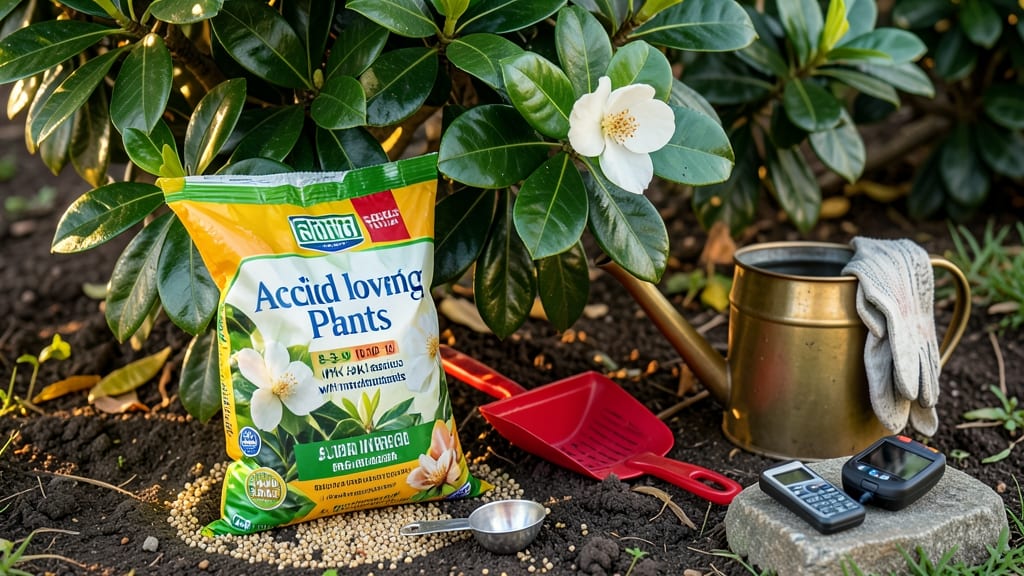
Fertilizing gardenias in Florida at the right time—spring and fall—is the secret to those fragrant, glossy blooms 🌸 that make your yard the envy of the neighborhood.
Florida’s humid climate and sandy soil demand a precise fertilization schedule to keep your gardenias blooming year after year—but timing is everything. Get it wrong, and you’ll either starve your plants or burn their roots, leaving you with fewer flowers and more frustration.
Most gardeners in zones 9a-11 overlook the fact that Florida’s heat and humidity change nutrient needs seasonally. A heavy spring feeding fuels summer blooms, while a late-fall boost sets up next year’s growth—but skip these windows, and you’ll end up with weak stems and sparse flowers.
Below, I break down the exact months to fertilize, the best types of fertilizer for Florida’s acidic soil, and how to spot when your gardenias are begging for nutrients—or begging you to stop.

Optimal fertilization timeline for Florida gardenias: spring vs. fall
Timing your gardenia fertilization in Florida isn’t just about feeding your plants—it’s about syncing with their natural growth cycles and the state’s unpredictable climate. Gardenias thrive in acidic, well-draining soil with partial shade, but Florida’s high humidity and sandy soil mean nutrient uptake happens differently than in cooler climates.
Fertilizing at the wrong time can lead to burned roots or wasted nutrients, so precision matters.
Most gardeners focus on two key windows: spring and fall. These periods align with your gardenia’s growth spurts and pre-winter prep, ensuring vibrant blooms year-round. In Florida’s USDA Zones 9a-11, where frost is rare, these windows shift slightly compared to northern climates.
For example, your spring feeding might start earlier to account for Florida’s warm winters.
Here’s the breakdown of when and why to fertilize, including how to adjust for Florida’s unique conditions like hurricane season or summer droughts. The table below summarizes the critical months and tasks to prioritize.
Your spring fertilization kicks off in mid-March to align with Florida’s warming temperatures. This is when gardenias break dormancy and begin producing new leaves and buds. Use a balanced, acidic fertilizer (like 8-3-9 or 6-6-6 with iron sulfate) to avoid shocking the plant.
Apply it in early morning when humidity is lower, reducing the risk of fertilizer burn.
By early April, your gardenia should show signs of vigorous growth—new shoots and flower buds. This is your cue to apply a second feeding if needed, but monitor for yellowing leaves, which can signal over-fertilization.
Florida’s sandy soil drains quickly, so nutrients wash away fast. Always water lightly after fertilizing to help nutrients reach the roots without leaching.
Fall fertilization is equally critical, but the approach shifts to root strengthening rather than bloom production. Start in September with a light feeding to prepare for Florida’s cooler (but still mild) winter months. Aim for a lower nitrogen ratio to encourage root growth over foliage.
September also marks the end of hurricane season in many parts of Florida, so avoid fertilizing if storms are forecasted—nutrient runoff can harm local waterways.
By October, your gardenia is entering a semi-dormant phase. A final light feeding in early October can stimulate late-season blooms while giving roots a nutrient boost for winter.
Choose a slow-release fertilizer to avoid a sudden nutrient surge. In North Florida, where temperatures drop slightly, this timing helps gardenias withstand cooler nights without stress.
One common mistake Florida gardeners make is fertilizing during summer’s peak heat (June-August). The intense sun and high temperatures cause gardenias to go dormant, making them vulnerable to root burn.
Instead, focus on deep watering and mulching to protect roots. If you notice drooping leaves or brown leaf edges, it’s a sign to pause fertilizing until temperatures drop.
Pro tip: Pair your fertilization schedule with regular pruning. Prune spent blooms in late spring to encourage new flowers, and shape your gardenia in early fall to improve air circulation. This reduces humidity-related diseases like powdery mildew, which thrives
How to choose the right fertilizer for Florida gardenias (and when to avoid common mistakes)
Florida gardenias thrive with the right fertilizer mix, but choosing wrong can mean fewer blooms or even plant stress. Their acid-loving nature and Florida’s sandy soil demand special attention.
I’ll break down the best NPK ratios, organic vs. synthetic options, and how to avoid over-fertilizing—common mistakes that kill your gardenias before they bloom.
Start by testing your soil’s pH level. Gardenias need acidic soil (5.0-6.0). If your soil tests higher, use an acidifying fertilizer like iron sulfate or peat-based blends. Florida’s native soil is often alkaline, so don’t skip this step—your gardenias’ health depends on it.
For NPK ratios, aim for 8-4-8 or 6-6-6. The first number (nitrogen) promotes leafy growth, while phosphorus (second number) boosts blooms—critical for gardenias. The third number (potassium) strengthens roots and disease resistance. Avoid high-nitrogen fertilizers; they’ll give you lush leaves but fewer flowers.
Now, let’s talk organic vs. synthetic. Organic options like fish emulsion or composted manure release nutrients slowly, reducing burn risks. Synthetic fertilizers offer precise NPK control but require careful dosing.
I recommend a balanced approach: use organic fertilizers in spring and synthetic blends in fall for a quick nutrient boost before winter.
When to Fertilize Gardenias in Florida
- Spring (March-April): Feed after last frost risk passes
- Fall (September-October): Boost roots before winter
- Apply early morning to prevent leaf burn
- Use half-strength fertilizer for new plants
- Fertilize in summer heat (causes root burn)
- Overapply nitrogen-heavy fertilizers
- Skip soil testing before choosing fertilizer
- Fertilize when plants show stress (yellow leaves, wilting)
Watch for nutrient burn signs: crispy leaf edges, brown spots, or slowed growth. These mean you’ve overdone it. If you see these, flush the soil with water and cut back on fertilizing for 3 months.
Florida’s heat speeds up nutrient uptake, so always water thoroughly after applying fertilizer to help nutrients reach roots.
For micronutrients, focus on iron and magnesium. Gardenias often lack these in Florida’s sandy soil. A foliar spray with chelated iron every 3 months keeps leaves vibrant.
And if your gardenias develop yellowing between veins, it’s time for an Epsom salt treatment—just dissolve 1 tbsp in a gallon of water and spray the leaves.
Remember, Florida’s humid climate changes nutrient needs. In North Florida, fertilize slightly earlier (February-March) to account for cooler winters. In South Florida, stick to fall feeding—summer’s heat makes spring fertilization risky.
Adjust your schedule based on your microclimate, and your gardenias will reward you with fragrant blooms year-round.