
Fertilization
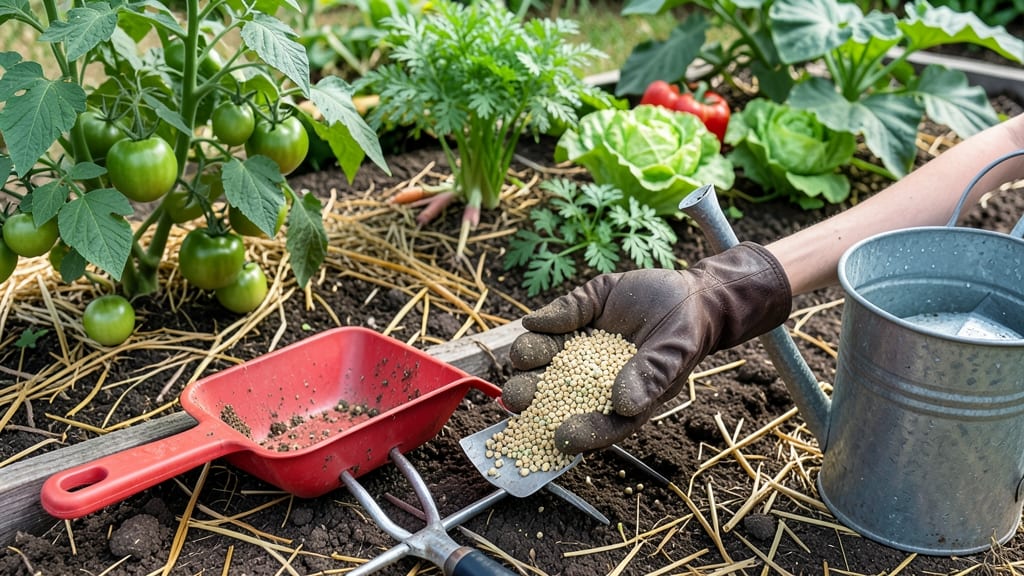
To fertilize your veg garden at the right time means the difference between lush, productive plants and struggling seedlings that never reach their potential.
Timing your vegetable garden fertilization wrong can mean wasted nutrients—or worse, stunted growth. Get the seasonal schedule right, and your tomatoes, peppers, and leafy greens will thrive with explosive yields.
Most gardeners focus on planting dates but overlook how soil nutrients change throughout the season. Spring calls for a light feed to kickstart growth, while summer demands regular feeding to sustain heavy production.
Below, I break down the exact month-by-month schedule for your zone, plus how to read your plants’ signals to avoid over-fertilizing—because even the best intentions can backfire.

Seasonal fertilization schedule for maximum vegetable growth
Fertilizing your vegetable garden at the right time is like giving your plants a perfectly timed energy boost. Too early, and nutrients sit unused in the soil. Too late, and your crops struggle to produce.
The key lies in matching fertilization with each plant's growth stage and seasonal needs. My schedule below aligns with USDA Zone 6a—adjust by 2-4 weeks earlier for warmer zones or later for colder ones.
Start with a soil test in early spring to identify deficiencies.
Most vegetable gardens benefit from 3-4 feedings per season: one at planting, two mid-season, and a light touch before fall harvest. Organic fertilizers like compost or fish emulsion release nutrients slowly, while synthetic options provide quick fixes—choose based on your crop's urgency.
Climate zones shift your timeline dramatically. In Zone 7+, extend summer feeding into September. In Zones 4-5, focus on early spring and late summer applications. Always avoid fertilizing when soil temps drop below 50°F—roots can't absorb nutrients efficiently in cold ground.
| Season | Growth Stage | Fertilizer Type | Timing (Zone 6a) | Notes |
|---|---|---|---|---|
| Spring | Pre-Planting | Balanced (5-10-10) or Compost | March-April (after last frost) | Encourages root growth |
| Spring | Seedling Stage | High Nitrogen (10-5-5) | April-May (2-3 weeks after planting) | Supports leafy growth |
| Summer | Flowering/Fruiting | Potassium-Rich (5-10-20) | June-July (every 3-4 weeks) | Boosts fruit production |
| Summer | Mid-Season | Balanced (10-10-10) or Fish Emulsion | July-August (every 4-6 weeks) | Maintains nutrient balance |
| Fall | Late Harvest | Light Compost or 5-5-5 | September-October (before frost) | Supports final growth |
| Winter | Dormant Season | None | November-February | Avoid disturbing soil |
For cool-season crops like lettuce and spinach, focus fertilization in early spring and fall. Warm-season lovers such as tomatoes and peppers need summer feeding when they're actively fruiting. My tomatoes get a potassium boost in July, while basil thrives with nitrogen-rich feeds in May and June.
Adjust your schedule based on plant-specific needs. Leafy greens like kale respond well to nitrogen-heavy feeds, while root vegetables such as carrots benefit from phosphorus early on. Always water fertilizer in thoroughly—this prevents root burn and ensures nutrients reach the soil.
Watch for over-fertilization signs: yellowing leaves, stunted growth, or white crust on soil. If you see these, flush the soil with water and pause feeding for 2-3 weeks. Less is often more
Signs your veg garden needs fertilizer (and when to avoid it)
Your vegetable plants send clear signals when they're hungry—but many gardeners misread them. Yellowing leaves or stunted growth often mean it's time to fertilize, but they can also signal overwatering or poor drainage. Learning the difference saves you from over-fertilizing, which burns roots and reduces yields.
First, check your soil health. Healthy soil should crumble easily when moist and smell earthy, not sour or chemical-like. If it's compacted or lacks organic matter, your plants may need nutrients before you even add fertilizer. I always test my soil in early spring to adjust my fertilization plan.
🌱
⚠️ When NOT to Fertilize Your Veg Garden
- Dry soil: Fertilizer burns roots when soil is dry. Always water first.
- Hot weather: Avoid fertilizing when temps exceed 90°F—plants can't absorb nutrients.
- New transplants: Wait 1-2 weeks after transplanting before feeding.
- Dormant season: Skip fertilizer in winter or during frost.
Over-fertilizing causes leaf scorch, root burn, and even plant death. When in doubt, test your soil first!
For leafy greens like lettuce or spinach, pale green leaves or slow growth mean nitrogen deficiency. These plants thrive with high-nitrogen fertilizers early in the season. In contrast, tomatoes or peppers show signs of hunger with yellowing lower leaves and poor fruit set, signaling they need potassium-rich fertilizer.
Timing matters too. I always fertilize early morning when plants are actively absorbing nutrients. Midday heat causes fertilizer to burn foliage, while evening applications can lead to fungal issues from damp leaves.
Organic options like compost tea or fish emulsion release nutrients slowly, while synthetic fertilizers work faster but require precision.
💧
Don't ignore soil test results. A simple home test kit (or lab analysis) tells you exactly what's missing. My tomato plants once grew tiny fruits despite regular watering—turns out, they needed more phosphorus.
After adjusting, my harvest doubled! Always match your fertilizer to your soil's needs, not just your plants' symptoms.
🌿