
Vegetables
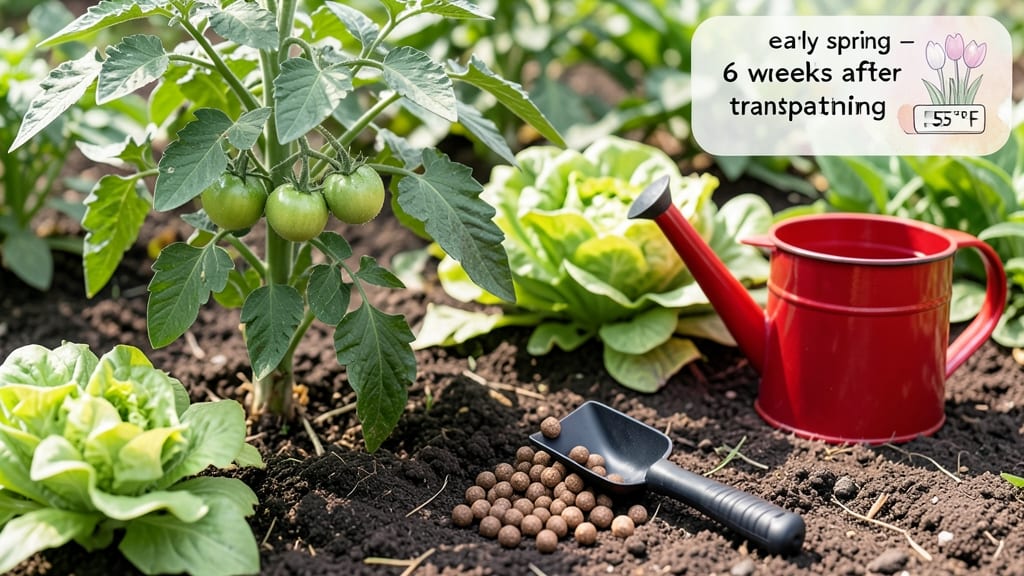
To fertilize a vegetable garden effectively, time it by soil test results and crop needs: spread organic fertilizer in early spring before planting, add nitrogen-rich feed to leafy greens mid-season, and use slow-release options for root vegetables like carrots. Stop fertilizing nitrogen-heavy plants like tomatoes late in the season to prevent overgrowth.
Timing your garden's nutrient boosts isn't just about throwing fertilizer on the soil—it's about matching your plants' growth stages with what they need most. 🌱 For example, leafy greens like spinach crave nitrogen early for leaf production, while fruiting plants such as peppers need phosphorus later for flower and fruit development.
A soil test reveals exactly what's missing, so you can avoid wasting money on nutrients your soil already has in abundance. I always recommend testing in early spring before planting, then re-testing after harvest to track changes.
For container gardens, the rules shift slightly since soil depletes faster. You'll need to fertilize every 3-4 weeks with a balanced organic mix, while in-ground gardens can often stretch nutrients over longer periods.
The key is observing your plants—yellowing leaves might signal nitrogen deficiency, while stunted growth could mean phosphorus is lacking. Adjust your schedule based on what you see, not just what the calendar says.
💡 In This Article
- Soil Test Results and Nutrient Timing for Vegetable Gardens
- Crop-Specific Fertilizer Schedules for Home Gardens
Soil test results and nutrient timing for vegetable gardens
Soil tests reveal the exact nutrient balance your garden needs, and interpreting these results is the first step to precise fertilization timing. The three primary nutrients—nitrogen (N), phosphorus (P), and potassium (K)—each play distinct roles in plant growth.
For instance, nitrogen fuels leafy growth, so leafy greens like spinach or kale need higher N levels early in the season when they're establishing foliage. A soil test showing low nitrogen (<20 ppm) means you'll want to apply organic options like composted manure or blood meal 4-6 weeks before planting to give microbes time to break it down.
Phosphorus, on the other hand, supports root development and flowering, making it critical for fruiting vegetables like tomatoes or peppers.
If your test shows phosphorus levels below 20-30 ppm, apply bone meal or rock phosphate 2-3 weeks before transplanting—this gives roots time to access the phosphorus before they need it for fruit production.
Potassium, often overlooked, helps plants resist disease and stress; levels below 150 ppm warrant adding greensand or wood ash. Soil pH also matters—most vegetables thrive at 6.0-7.0, but cruciferous veggies like broccoli prefer slightly acidic soil (6.0-6.8).
Seasonal nutrient demands shift dramatically. Early spring fertilization focuses on nitrogen for leafy crops, while mid-season applications often emphasize phosphorus and potassium for fruiting plants. For example, tomatoes need a balanced 5-10-10 NPK ratio at planting, then a phosphorus-heavy 0-10-20 mix when flowers appear.
Leafy greens, however, respond best to nitrogen-rich fertilizers like fish emulsion applied every 3-4 weeks during their growing season. The key is matching the fertilizer type to the plant's current growth phase—what works for carrots (slow-release phosphorus) fails for lettuce (quick-acting nitrogen).
Container gardens complicate timing because nutrients deplete faster due to limited soil volume. In these cases, use a slow-release organic fertilizer like composted worm castings or a timed-release pellet, applying it every 6-8 weeks rather than seasonally.
For in-ground gardens, a single spring application often suffices, but side-dressing (adding fertilizer alongside rows) mid-season can boost production for heavy feeders like corn or squash. Always water thoroughly after applying fertilizer to help nutrients penetrate the soil and prevent root burn.
Watch your plants for visual cues that reveal nutrient imbalances. Yellowing leaves between veins signal nitrogen deficiency, while purple stems or leaves indicate phosphorus shortages. Over-fertilizing—especially with nitrogen—can lead to excessive leafy growth at the expense of fruit production, a common issue with tomatoes.
For example, applying too much nitrogen late in the season causes tomatoes to produce lush foliage but few fruits. Adjust your schedule based on these signs, and always re-test soil after harvest to plan for next year's needs.
One often-overlooked factor is microbial activity. Organic fertilizers rely on soil microbes to break down nutrients, a process that slows in cold soil. In cooler climates, apply organic amendments 6-8 weeks before planting to give microbes time to activate.
In warmer regions, you can fertilize closer to planting, but always follow the 3-3-3 rule: apply fertilizer 3 inches away from plant stems, 3 inches deep, and 3 inches below the soil surface for best results. This method minimizes nutrient loss and maximizes plant uptake.