
Container Gardens
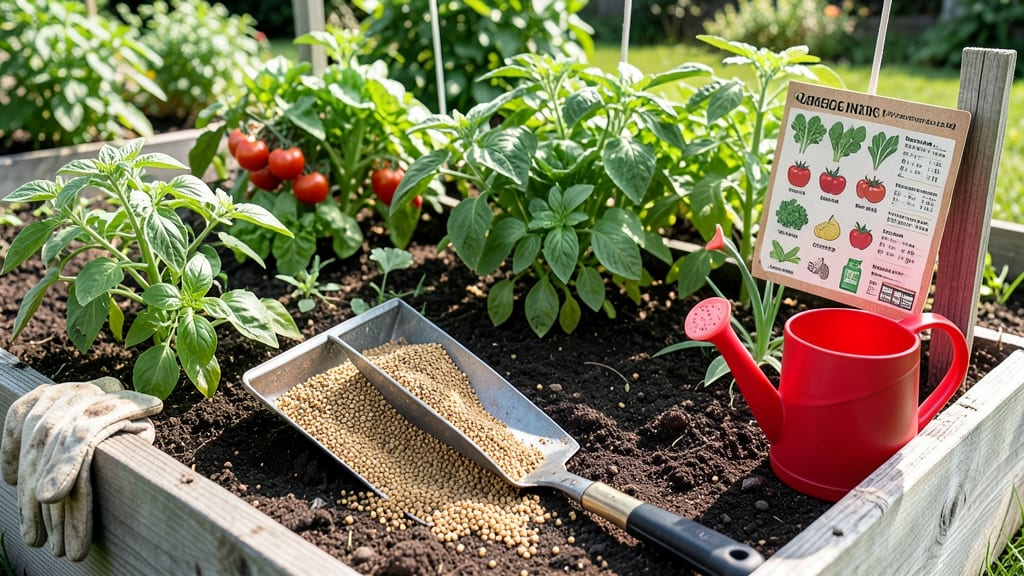
To fertilize your garden effectively, time it by the season: start with a balanced fertilizer in early spring before planting to boost growth, then switch to slow-release options mid-season for flowering plants, and skip fall fertilization for perennials in colder regions. Always adjust based on soil test results for precise timing and product types.
Timing matters because plants absorb nutrients differently at each growth stage. 🌱 Early spring fertilization jumpstarts root development when soil temperatures rise, while mid-season feeding supports blooming and fruiting.
Organic options like compost break down slowly, making them ideal for gradual nutrient release, whereas synthetic fertilizers offer quick fixes for nutrient deficiencies. I've learned that over-fertilizing in fall can encourage tender new growth that won't survive winter freezes, so patience pays off in healthier plants come spring.
Your local climate zone also shifts these timelines slightly. For example, gardeners in Zone 5 might fertilize a week later than those in Zone 7, as warmer regions experience earlier springs. Always check your soil's pH and nutrient levels first—this tells you exactly what your plants need and when.
The key is matching fertilizer types to your plants' seasonal demands rather than following a one-size-fits-all schedule.
💡 In This Article
- Seasonal Fertilizer Timing by Plant Type
- How to Choose the Right Fertilizer for Your Garden’s Needs
Seasonal fertilizer timing by plant type
Plants have distinct growth cycles that determine when they need nutrients most. Cool-season crops like lettuce and spinach thrive with early spring fertilization when soil temperatures reach 45-55°F, as this triggers root expansion before active leaf production.
Warm-season plants such as tomatoes and peppers, however, shouldn't get fertilizer until soil warms to 60°F+, when their roots can absorb nitrogen efficiently without stunting growth.
The difference lies in how quickly roots develop—cool-season plants establish roots faster in cooler temps, while warm-season varieties need heat to activate their nutrient uptake systems.
Perennials have different needs than annuals because they've already built root systems over multiple seasons.
For example, daylilies and coneflowers benefit from a light feeding in early spring (10-15-10 NPK ratio) to support new foliage, but shouldn't receive heavy fertilizer in fall as it encourages tender growth vulnerable to winter dieback. 🌿 Annuals, on the other hand, need more frequent feeding—typically every 4-6 weeks—because they complete their life cycle in one season.
The key is matching fertilizer timing to when plants are actively growing rather than when they're dormant.
Climate zones shift these timelines by 2-4 weeks depending on location. In Zone 6, gardeners might fertilize cool-season crops in early April, while Zone 8 gardeners could start as early as late February.
The last frost date serves as your anchor point—fertilize 2-3 weeks before planting to give roots time to establish before active growth begins. For container gardens, timing is even more critical since roots are confined and nutrient cycles accelerate in warm conditions.
Root development cycles explain why timing matters so much. Fertilizer applied when roots aren't active gets wasted, while nutrients introduced at peak growth stages get absorbed immediately.
For instance, tomatoes need phosphorus (P) during flowering (mid-season) to develop fruit, but too much early on causes leafy growth at the expense of blossoms. This is why slow-release fertilizers work better mid-season—they provide steady nutrients without overwhelming plants during critical growth phases.
Consider these plant categories for precise timing:
- Leafy greens: Fertilize in early spring (30-45 days before harvest) with nitrogen-rich options
- Fruiting plants: Apply phosphorus-heavy fertilizer at flowering (P2O5 5-10%)
- Flowering perennials: Feed in early spring and again after first bloom
- Lawns: Fertilize in early spring and fall (avoid summer heat)
What most gardeners overlook is how soil temperature affects nutrient availability. Even the best fertilizer won't help if roots can't absorb it—this is why soil thermometers are worth the investment for serious gardeners.
The 50°F threshold is crucial: below this, microbial activity slows dramatically, reducing nutrient breakdown from organic fertilizers by up to 70%. This explains why compost works better in summer than winter, even though it contains the same nutrients.