
Picking
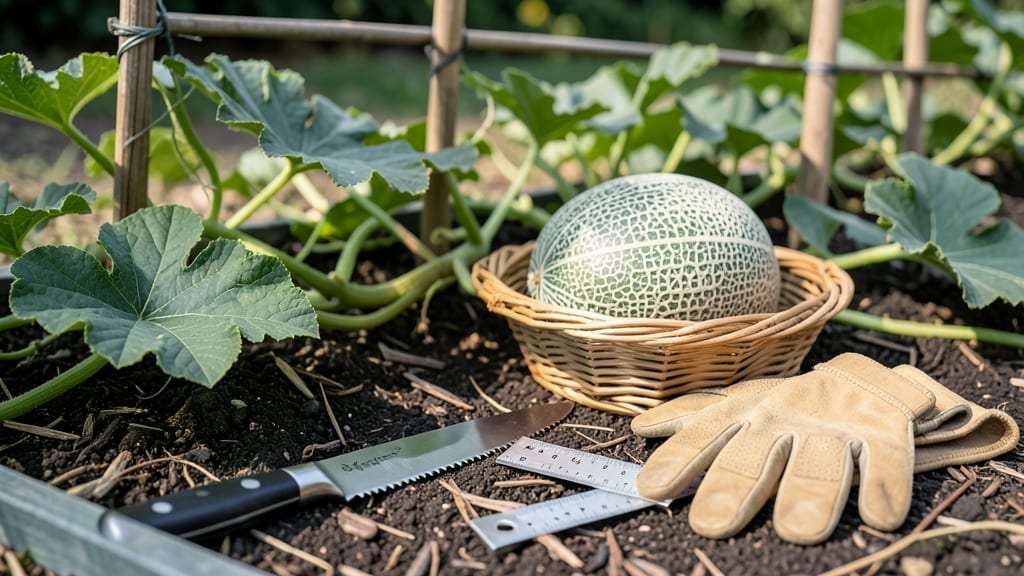
Harvesting cantaloupe from the garden at the right time means the difference between a sweet, juicy reward and a bland, underripe disappointment.
Picture this: you’ve been waiting all summer for your 🍈 to ripen, only to cut into one that’s still hard and tasteless. That’s why knowing the exact moment to harvest is the key to peak flavor—no guesswork, just science-backed cues.
From the way the stem separates to the aroma near the blossom end, there are four foolproof signs your cantaloupe is ready. I’ll walk you through each one, so you never miss the sweetest moment again.
You’ll also learn how to handle post-harvest storage and avoid common mistakes that turn ripe fruit into wasted effort. Let’s get started.


4 Visual and physical signs your cantaloupe is ready to harvest
Harvesting cantaloupe at the perfect moment transforms a good crop into a sweet, flavorful feast. The difference between underripe and peak-ripe fruit comes down to four key indicators: vine behavior, stem changes, aroma, and rind texture.
Ignore these signs, and you risk picking melons that are either hard and bland or overripe and mushy. Let’s break down what to look for—and what to avoid—when inspecting your cantaloupes.
First, don’t rely on size alone. Some cantaloupes mature fully while still small, while others grow larger but never ripen properly. Instead, focus on these visual and tactile cues that signal the fruit is ready to harvest.
Pro tip: Check your melons every 2-3 days during peak season (typically July-August in most climates) to catch them at their sweetest.
📌 Summary Table: Cantaloupe Harvest Checklist
| Sign | Ready Cantaloupe | Not Ready Cantaloupe |
|---|---|---|
| Vine Color | Vines turn yellow-brown and wilt slightly | Vines remain green and vigorous |
| Stem Separation | Fruit slips easily when twisted gently | Fruit stays firmly attached to vine |
| Aroma | Sweet, musky scent near stem end | No scent or green, vegetal odor |
| Rind Texture | Dull, creamy color with soft spots when pressed | Hard, glossy rind with no softness |
The first sign to watch is the vine’s color and condition. When cantaloupes are ready, the vines near the fruit will turn from vibrant green to a dull yellow-brown. This color change signals the plant is redirecting energy to ripening the fruit.
Pair this with slight wilting—the leaves may droop or curl as the plant prepares to shut down that branch. If your vines are still lush and green, your melons need more time.
Next, focus on the stem end of the cantaloupe. A ripe cantaloupe will have a cream or tan-colored stem end, often with a slight wrinkled texture. If the stem end remains green or firm, the fruit isn’t ready.
Pro tip: Use your thumb to gently press the stem end—it should feel slightly soft, almost like pressing a ripe avocado. A hard stem end means the melon needs more time on the vine.
The aroma test is one of the most reliable ways to confirm ripeness. Hold the cantaloupe near your nose and sniff the stem end. A ripe cantaloupe will release a sweet, musky, almost honey-like scent.
If you detect no scent or a green, vegetal odor, the fruit isn’t ready. This scent is your green light to harvest—it’s a natural signal that the sugars have fully developed. Skip this step, and you might end up with a melon that tastes bland or underwhelming.
Finally, examine the rind texture and color. A ripe cantaloupe’s skin will have a dull, matte finish (not shiny) and a distinct net-like pattern that’s slightly raised.
When you press your fingernail into the rind, it should leave a slight indentation—the skin should yield just a bit but not feel mushy. If the rind is hard and glossy, the melon isn’t ready.
Overripe cantaloupes, on the other hand, may feel too soft or even leathery, with a fermented smell.
Here’s a pro move: Harvest in the morning when temperatures are cooler. This helps preserve the fruit’s sweetness and texture after picking. Use a sharp knife to cut the stem, leaving about 1 inch of stem attached to the melon.
This helps extend its shelf life. Once harvested, store cantaloupes at room temperature (not in the fridge) until fully ripe—then refrigerate to slow further ripening.
Remember, every cantaloupe variety ripens slightly differently. Heirloom types like ‘Athena’ or ‘Hale’s Best’ often have more pronounced scent and color changes, while some hybrid varieties may ripen more uniformly.
When in doubt, cut one open to test the flesh color and sweetness—this is the ultimate litmus test for ripeness.
Now that you know what to look for, grab your gardening gloves and start checking those melons! The sweetest, most flavorful cantaloupes are just a few days away—if you know where to look. 🍈
How to test cantaloupe ripeness: the thump, twist, and slip method
When your cantaloupe vines are heavy with fruit, knowing the exact moment to harvest makes all the difference. Overripe melons lose sweetness and texture, while underripe ones stay bland and seedy. The good news?
You don’t need to cut open every melon to test ripeness—just use these three simple tactile methods: the thump, the twist, and the slip. Each test gives you a clear signal that your cantaloupe is ready to pick.
Start with the thump test, which checks for internal sweetness. A ripe cantaloupe will produce a deep, hollow sound when tapped near the stem end—like knocking on a wooden door. If it sounds dull or flat, it’s not ready yet.
This test works best when combined with the other two methods for 100% accuracy. Skipping it means risking a melon that’s either too firm or already overripe.
Step-by-Step Ripeness Test
-
1. The Thump Test
Tap the melon near the stem with your knuckles. A ripe cantaloupe sounds hollow like wood. If it’s dull, wait 1-2 days. -
2. The Twist Test
Gently twist the fruit at the stem. If it detaches easily with a slight pop, it’s ready. Resistance means it’s not ripe yet. -
3. The Slip Test
Lift the melon gently off the vine. A ripe cantaloupe will slip free without tearing the vine. If it stays attached, it needs more time. -
Bonus: Stem Color
Check the stem end—it should turn from green to cream or tan. A green stem means the melon isn’t ready.
Many gardeners make the mistake of relying on just one test, like the slip method alone. But cantaloupes can slip from the vine too early if the vine is weak or diseased, leading to underripe fruit.
Always combine the thump, twist, and slip tests for the most reliable results. Pro tip: Harvest in the morning when temperatures are cooler—this preserves sweetness and texture.
If your cantaloupe passes all three tests but still feels slightly firm, don’t panic. Place it in a paper bag with a banana or apple for 1-2 days to ripen further.
The ethylene gas from these fruits speeds up the process naturally. Avoid refrigerating until fully ripe, as cold temperatures can dull the flavor and soften the texture prematurely.
One common error is harvesting based on size alone. Some cantaloupes never reach their full sweetness potential just because they’re big enough. Always prioritize the tactile tests over guesswork.
For example, a 6-inch melon that passes the thump, twist, and slip is better than an 8-inch one that’s still hard and unripe.
Once you master these methods, you’ll never second-guess your cantaloupe harvest again. The key is patience—waiting for the perfect moment ensures melons that are bursting with sweetness and ready to enjoy. Now grab your gloves and head to the garden—your taste buds will thank you!