
Picking
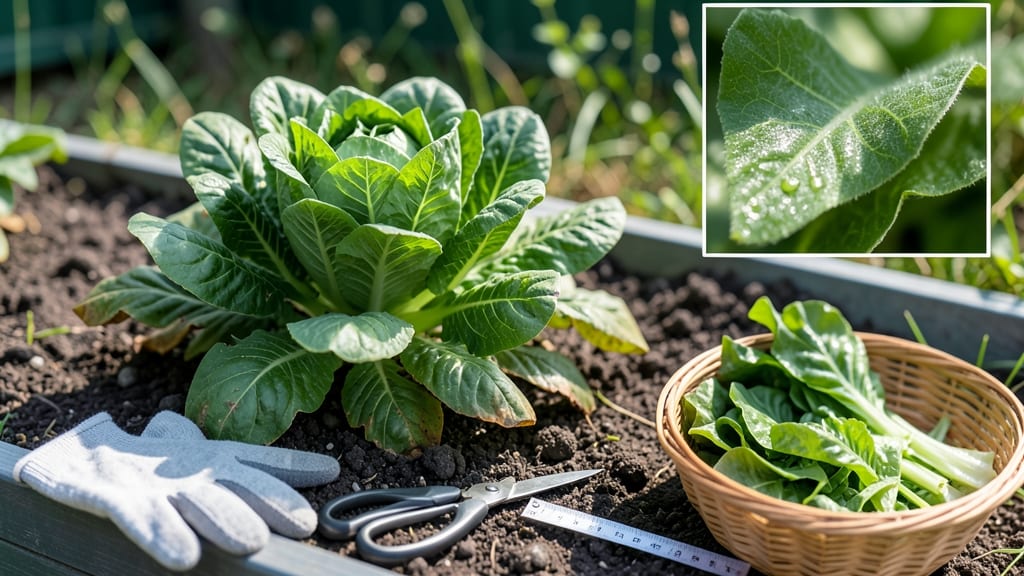
Garden lettuce 🥬 is ready to pick when outer leaves reach 4-6 inches and feel crisp, not rubbery—skipping this window means bitter, tough greens.
Picking garden lettuce at the wrong time can turn your crisp, sweet harvest into a bitter disappointment—here’s how to nail the perfect timing every time.
Most home gardeners wait too long, letting lettuce bolt or develop tough stems. The key is checking leaf size, color, and texture every 3-4 days starting around 30 days after planting.
Below, I’ll walk you through the 3 simple tests to determine when your lettuce is at peak flavor, plus how to harvest without damaging the plant for a second crop.


3 Leaf tests to determine when lettuce is perfectly ready to harvest
Harvesting lettuce at the right moment ensures you enjoy its crisp texture and sweet flavor instead of bitter disappointment. The key lies in three simple leaf tests that reveal when your lettuce is ready to pick.
Whether you're growing loose-leaf varieties or compact heads, these visual and tactile cues will guide you to perfection.
Timing matters because lettuce can quickly go from tender to tough or bitter. A 30-60 day window separates planting and harvest, but relying on days alone misses the maturity signals your plants send. Let's explore how to read these signs like a pro to harvest lettuce at its peak.
- 1 Leaf Size Check: For loose-leaf varieties, harvest when outer leaves reach 4-6 inches long. For head lettuce, wait until the head forms a compact shape about 3-4 inches in diameter.
- 2 Texture Test: Gently squeeze a leaf—ready lettuce feels crisp and firm. If it feels soft or mushy, it's overripe. For butterhead varieties, the leaves should be tender but not floppy.
- 3 Color Cues: Dark, rich green leaves signal maturity. Avoid harvesting when leaves turn yellowish or pale—this indicates stress or over-maturity. Romaine should have a deep emerald hue, while red lettuce varieties should show vibrant purple or red streaks.
For loose-leaf varieties like leaf lettuce or arugula, you can harvest outer leaves first, allowing the inner leaves to continue growing. This method extends your harvest season by 2-4 weeks compared to cutting the whole plant.
Simply snip or twist off the outer leaves when they meet the size and texture criteria above.
Head lettuce varieties, such as iceberg or butterhead, require a slightly different approach. Wait until the entire head reaches a compact, firm shape before harvesting. The head should feel heavy for its size, indicating full maturity.
Cut the head cleanly at the base with a sharp knife or shears to avoid damaging the plant.
Morning is the best time to harvest lettuce because the leaves are cool and crisp from overnight moisture. Avoid harvesting in the midday heat, as this can cause wilting and stress the plant.
If you must harvest later in the day, store the lettuce in a plastic bag in the fridge until you're ready to use it.
Pay attention to your lettuce's growth conditions—overcrowding or nutrient deficiencies can delay maturity. If your lettuce isn't reaching the ideal size within 45-60 days, consider adding a balanced fertilizer with higher nitrogen content to encourage leafy growth.
However, avoid over-fertilizing, as this can lead to bitterness or bolting.
One common mistake is waiting too long to harvest, which leads to bitter, tough lettuce. If your lettuce starts to bolt (send up a flower stalk), it's a sign of stress, often caused by heat or over-maturity.
Harvest immediately if bolting occurs, as the leaves will become increasingly bitter. For continuous harvests, succession plant every 2-3 weeks to ensure a steady supply of fresh, tender lettuce.
Pro tip: Keep a small harvest journal to track when your lettuce reaches maturity. Note the variety, planting date, and harvest day to refine your timing for future seasons. Over time, you'll develop an intuitive sense of when your lettuce is ready, even without measuring the leaves.
With these three leaf tests, you'll never again guess whether your lettuce is ready to pick. Mastering the art of timing ensures you enjoy crisp, sweet, and flavorful lettuce straight from your garden to your table. Happy harvesting! 🥬
How to avoid bitter lettuce: common harvest mistakes and fixes
Bitter lettuce is a common frustration for home gardeners, but it's usually a sign your plants are either over-mature or stressed. The good news? You can easily prevent it by understanding the key triggers and adjusting your growing habits.
Let's dive into the most common mistakes and how to fix them before they ruin your harvest.
One of the biggest culprits is harvesting too late. When lettuce grows beyond its ideal size—especially in hot weather—it starts producing laxative compounds to protect itself.
This is nature's way of saying, "I'm getting old!" But with the right timing and care, you can keep your lettuce tender and sweet all season.
⚠️ When Is Garden Lettuce Ready to Pick?
Don't wait until your lettuce is over 6 inches tall—this is when bitterness peaks! Harvest loose-leaf varieties when outer leaves reach 4-6 inches and head lettuce when the head is firm and compact. Morning harvests yield the crispest, sweetest leaves.
Another frequent mistake is ignoring heat stress. Lettuce is a cool-season crop, and when temperatures rise above 75°F (24°C), it bolts—sending up a flower stalk and turning bitter almost overnight.
To combat this, provide afternoon shade with a row cover or shade cloth, especially in summer. Succession planting in fall also helps avoid heat-related bitterness.
Poor soil conditions can also lead to bitter flavors. Lettuce thrives in rich, well-draining soil with a pH between 6.0 and 7.0. If your soil is nutrient-poor or compacted, amend it with compost or aged manure before planting.
Avoid over-fertilizing with nitrogen—too much can make leaves leggy and bitter instead of sweet and crisp.
For continuous sweet harvests, adopt a cut-and-come-again approach. Instead of pulling the whole plant, snip the outer leaves just above the soil line when they reach 4-6 inches.
This encourages new growth and prevents the plant from becoming over-mature. With this method, you can enjoy multiple harvests from a single plant over 4-6 weeks.
Finally, watch for pests and diseases, which can stress your lettuce and lead to bitterness. Aphids, slugs, and powdery mildew are common offenders. Use neem oil for pests and proper spacing to improve air circulation. Healthy plants are sweetest and most resilient to bitterness.
By mastering these fixes—timely harvesting, heat management, soil care, and ongoing maintenance—you'll enjoy crisp, sweet lettuce all season long. Happy gardening! 🥬