
Picking
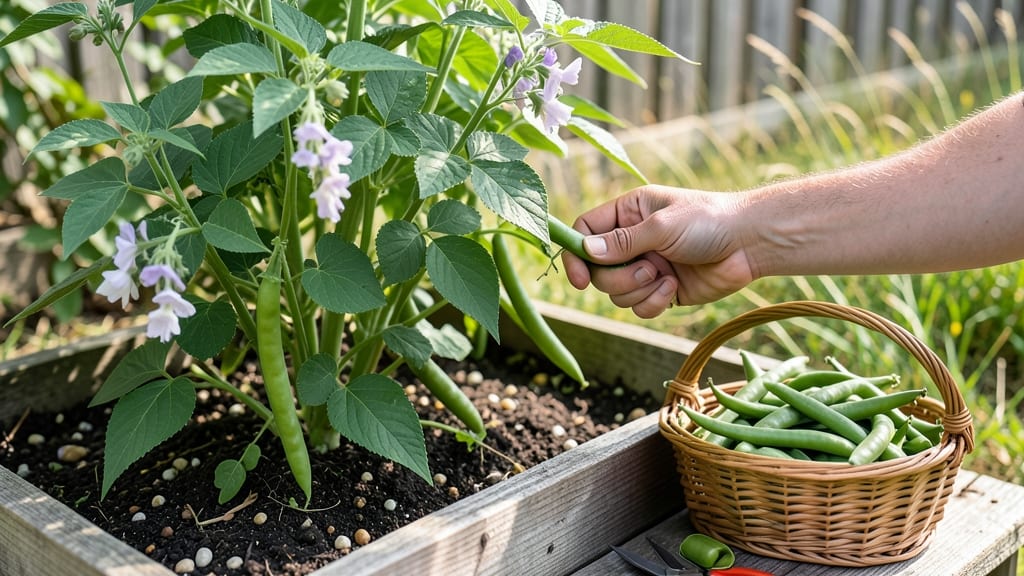
To pick beans from your garden at the perfect time ensures they’re crisp, tender, and bursting with flavor—something even the most patient gardener can mess up if they wait too long.
Imagine plucking a pod that snaps crisply between your fingers, only to find it’s already tough and stringy by the next morning. That’s the golden window of harvest slipping away, and it happens faster than you think.
Green beans 🌱 thrive when picked at the right size—typically 4 to 6 inches long, firm to the touch, and bright green. Skipping this step turns sweet pods into woody, overripe messes that no recipe can save.
In this guide, I’ll walk you through the exact cues to watch for, how often to harvest for maximum yield, and the simple tools that make the job easier—so you never miss another perfect pod again.


How to identify the perfect size for picking green beans
Green beans reach their peak flavor and tenderness at very specific stages, and harvesting too early or late can ruin your harvest. The key lies in watching for three critical cues: pod length, firmness, and seed development.
When you master these visual and tactile clues, you'll enjoy beans that are crisp, sweet, and free from tough fibers.
Most green bean varieties—like Blue Lake, Roma, or Contender—should be picked when pods measure between 4 to 6 inches long. This range ensures they're fully developed but haven't started to toughen.
Smaller pods (under 3 inches) are still immature, while larger ones (over 6 inches) often develop woody textures and oversized seeds.
| Stage | Pod Length | Firmness | Seed Visibility | Flavor & Texture |
|---|---|---|---|---|
| Too Early | Under 3 inches | Soft, flimsy | Barely visible | Watery, bland |
| Perfect Harvest | 4-6 inches | Firm, crisp | Visible but small | Sweet, tender |
| Over-Mature | 6+ inches | Woody, tough | Large, prominent | Bitter, stringy |
Color is another subtle but important clue. Bright green pods with a slight gloss indicate peak ripeness, while dull or yellowing pods signal over-maturity. For varieties like Purple Podded beans, the pods should shift from deep purple to a vibrant greenish-purple at the base when ready to pick.
Don't rely solely on size—always squeeze the pod gently to test firmness. A perfectly ripe bean should feel crisp and snap easily when bent slightly. If it bends without snapping or feels spongy, it's past its prime.
This tactile check is especially important for bush bean varieties, which can ripen unevenly.
For pole beans, which climb vines, the upper pods often mature first. Check the top third of the plant every 2-3 days, then work your way down as lower pods reach size. This staggered approach prevents over-maturity while ensuring you don't miss any hidden gems among the foliage.
Morning is the best time to harvest because pods are cooler and firmer after overnight dew has evaporated. Avoid picking after rain when pods may be softer.
Use sharp pruning shears or a small knife to cut stems—never pull pods off, as this can damage the plant and reduce future yields.
If you notice pods starting to yellow or develop large seeds, it's a clear sign to increase your harvesting frequency. Some varieties, like Blue Lake Bush Beans, produce continuously for weeks, while others, such as Kentucky Wonder pole beans, may have shorter peak seasons.
Always check your plant's specific variety guidelines for tailored advice.
Pro tip: Harvest every 2-3 days during peak production to encourage more flowers and pods. When you keep up with regular picking, your plants will reward you with sweeter, more abundant beans throughout the season. The more you harvest, the more your plants will produce!
Common mistakes that ruin your bean harvest (and how to avoid them)
Even the most attentive gardeners can fall into traps that turn crisp, sweet green beans into tough, stringy disappointments. The key is recognizing these common pitfalls before they derail your harvest.
Over-maturity, uneven ripening, and poor spacing are the top culprits—each one reducing both yield and flavor. Let's tackle these issues head-on with practical solutions.
One of the biggest mistakes is waiting too long to harvest. When beans stay on the vine past their prime, they become woody and fibrous, losing that coveted snap. Even worse, over-mature pods drain energy from the plant, slowing down new growth.
I've seen entire harvests ruined because gardeners assumed "bigger is better"—but size alone isn't the whole story. Timing matters just as much as technique.
Another frequent error is harvesting inconsistently. Skipping regular checks can lead to uneven ripening, where some pods mature while others lag behind. This creates a chaotic mix of ready-to-eat beans and tough, overgrown ones.
The fix? Commit to checking your plants every 2-3 days during peak season. A quick 10-minute sweep through your rows keeps everything in sync.
⚠️ When to Pick Beans: The Critical Window
Pick beans when: Pods are 4-6 inches long, firm to the touch, and bright green. The ideal moment is when you can see small seeds but the pods still snap easily. Waiting just 1-2 extra days can turn them rubbery—don't risk it! Use this rule: "If it bends, it's ready".
Improper spacing is another silent harvest killer. Crowded plants compete for sunlight and nutrients, leading to stunted growth and smaller pods. I've seen gardeners squeeze plants too close, only to watch their beans grow lanky and produce poorly.
The solution? Follow the 18-24 inch row spacing rule and keep plants 3-4 inches apart in rows. This gives them room to thrive and produce consistently.
Don't overlook the role of weather and timing. Harvesting during heatwaves or right after rain can stress the plants and make pods tough. Early mornings are ideal—beans are crispest and coolest after the night air.
If you must pick during the day, do it in the shade to preserve quality. Pro tip: Use a harvest basket with a damp towel to keep picked beans fresh until you process them.
Finally, resist the urge to harvest all at once. Many gardeners make the mistake of picking everything in one go, thinking it'll make future harvests easier. But this shocks the plant and can halt production.
Instead, aim to pick 1/3 of the crop at a time, leaving plenty for the plant to keep growing. This method keeps your harvest flowing for weeks longer than a single massive pick.
By avoiding these common mistakes—over-maturity, inconsistent harvesting, poor spacing, and ignoring weather—you'll transform your bean harvest from disappointing to downright delicious. The secret isn't just in the growing; it's in the timing and attention you give at harvest time. 🌱