
Picking
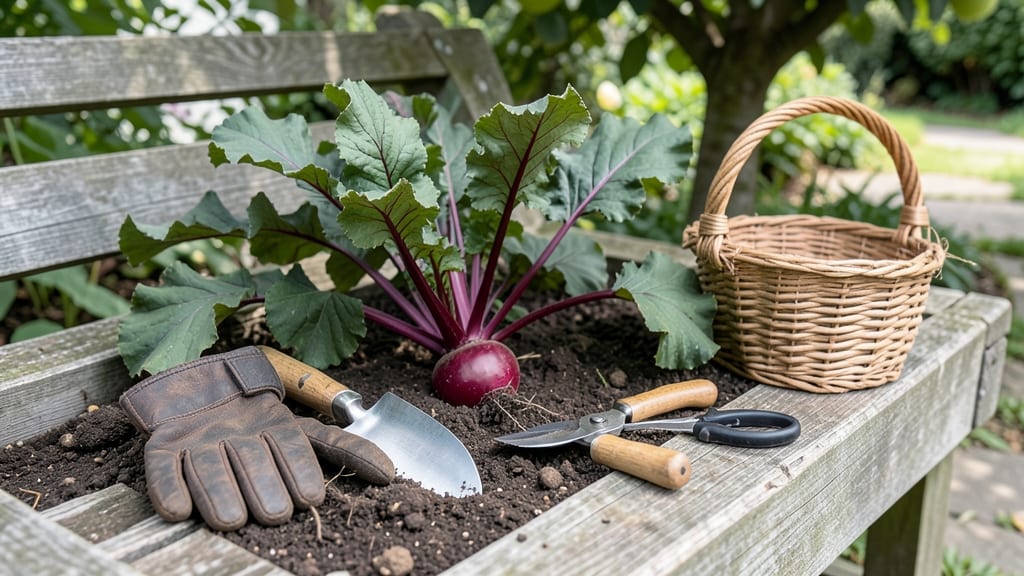
To pick beets from your garden at their sweetest, time it right—typically 60 days after planting when roots reach 1–3 inches in diameter.
Harvesting beets at the wrong moment can turn your earthy, tender roots into tough, bitter disappointments. The difference between a perfect beet and a frustrating one often comes down to knowing when to pull them—and what to look for.
Size, color, and even how the soil gives way are your clues. Baby beets (1–2 inches) are perfect for quick salads, while mature roots (2–3 inches) hold deeper flavor for roasting. Ignore these signs, and you might end up with woody, overgrown roots that no recipe can save.
Below, I’ll walk you through the 3 key checks to determine when your 🍠 beets are ready, plus how to avoid common mistakes that ruin flavor before harvest. Ready to dig in?


3 Key size indicators to harvest beets at peak sweetness
Knowing when to pick beets from your garden transforms them from tough, woody roots to sweet, tender treasures. The secret lies in three simple but critical size indicators: root diameter, leaf maturity, and soil resistance.
Each clue helps you determine whether your beets are ready for baby beets, medium-sized roots, or full-grown harvests—all at their peak flavor.
Beets develop sweetness as they grow, but leaving them too long in the soil turns their texture woody and their flavor bitter. The key is timing: harvest baby beets when they're just 1-2 inches wide, or wait for mature roots at 2-3 inches.
Understanding these size indicators ensures you enjoy beets at their sweetest, whether you're making salads, roasting, or pickling.
| Size Type | Root Diameter | Leaf Height | Soil Test | Days to Harvest | Best For |
|---|---|---|---|---|---|
| Baby Beets | 1–1.5 inches | 2–4 inches | Skin resists slight pressure | 45–55 days | Salads, quick cooking |
| Medium Beets | 2–2.5 inches | 4–6 inches | Firm skin, no give | 55–65 days | Roasting, pickling |
| Mature Beets | 3–4 inches | 6–8 inches | Thick, unyielding skin | 65–75 days | Long-term storage |
🌱 Pro Tip: Use a garden fork to gently loosen soil before pulling to avoid damaging roots.
Your first size indicator is the root diameter. For baby beets, aim for roots between 1–1.5 inches in diameter. These are perfect for salads or quick cooking and pack the most intense sweetness.
Medium-sized beets, ideal for roasting or pickling, should reach 2–2.5 inches. Full-grown beets, best for long-term storage, can grow up to 3–4 inches in diameter.
Next, check the leaf maturity. Healthy beet leaves should be dark green and vibrant, with no yellowing or wilting. For baby beets, leaves should be 2–4 inches tall, while mature beets will have leaves reaching 6–8 inches.
If leaves turn yellow or bolt (send up a flower stalk), your beets are either underwatered or over-mature, and it’s time to harvest immediately.
Finally, perform the soil resistance test. Gently squeeze the top of the beet where it meets the soil. If the skin resists slight pressure and doesn’t dent easily, it’s ready to harvest. For baby beets, the skin should feel slightly firm but still tender.
For mature beets, the skin should be thick and unyielding, almost like a small potato. This test ensures you’re harvesting at the perfect stage for texture and flavor.
Timing your harvest based on these size indicators also affects how well your beets store. Baby and medium beets are best enjoyed fresh, while mature beets can be cured and stored in a cool, dark place for up to 3–4 months.
If you’re growing heirloom varieties like Detroit Dark Red or Golden Beets, pay extra attention to these cues—their flavors peak at slightly different stages than hybrid varieties.
One
How soil conditions affect beet harvest timing and flavor
Soil conditions play a critical role in determining when to pick beets from your garden. Moisture levels, temperature, and nutrient availability all influence how quickly beets develop their signature sweetness.
For example, consistently moist soil helps roots grow evenly, while too much nitrogen can make them tough and woody. Understanding these factors ensures you harvest at the perfect moment for flavor and texture.
Beets thrive in well-drained, fertile soil with a pH between 6.0 and 7.0. If your soil is too sandy, roots may develop unevenly, while clay-heavy soil can cause stress, leading to bitter flavors. Amending your soil with compost before planting sets the stage for sweeter, more tender beets.
I’ve found that adding a 1-inch layer of compost at planting time makes a noticeable difference in both yield and taste.
Beets left in the ground beyond their prime develop a woody core and lose sweetness. Check roots every 2-3 weeks after reaching 1-inch diameter—they’re ready when skin resists gentle pressure. Overly dry or cold soil can also trigger early bolting (flowering), ruining flavor entirely.
Seasonal timing matters just as much as soil conditions. In spring plantings, beets typically reach harvest readiness in 60-75 days, while fall-planted varieties may take slightly longer due to cooler temperatures.
I’ve noticed that beets grown in late summer (July-August) often develop richer flavors because the shorter daylight hours trigger natural sweetening. Pay attention to your local frost dates—beets can tolerate light frosts but become tough if exposed to hard freezes.
Soil temperature also impacts harvest timing. Beets grow best in soil that’s at least 50°F (10°C), with ideal ranges between 60-75°F (15-24°C). Cooler soils slow root development, while temperatures above 85°F (29°C) can cause bolting.
I’ve had success using row covers in early spring to warm the soil and extend the growing season. This simple trick can shave weeks off your harvest timeline and improve flavor consistency.
Nutrient balance is another key factor. Too much nitrogen-rich fertilizer promotes leafy growth at the expense of root development, while phosphorus and potassium encourage sweeter, more tender roots. I recommend a balanced 5-10-10 fertilizer applied lightly at planting and again when seedlings are 2 inches tall.
Over-fertilizing is a common mistake—it’s better to err on the side of caution and supplement with organic matter like composted manure.
Finally, don’t overlook the role of consistent moisture in flavor development. Beets need about 1 inch of water per week, but uneven watering can lead to cracked roots or uneven growth. I’ve found that drip irrigation or soaker hoses work best, keeping the soil evenly moist without waterlogging.
Harvest in the morning after a light watering to ensure the roots are firm and flavorful.