
Picking
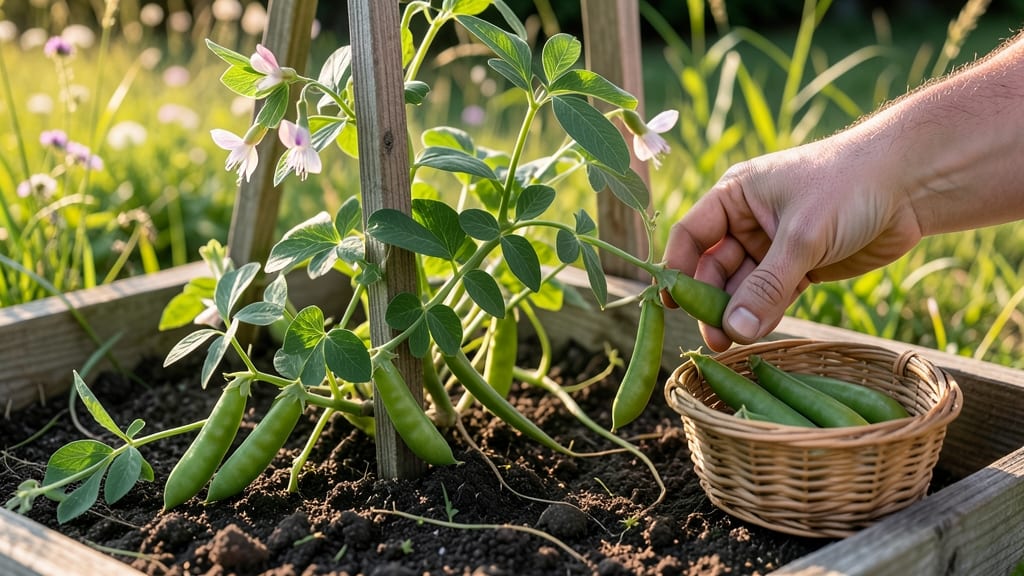
To pick peas from your garden at their sweetest, aim for bright green pods that are 2–2.5 inches long—any longer and they’ll turn tough and starchy.
Peas are one of the fastest-growing vegetables in your garden, but timing your harvest wrong can mean the difference between sweet, tender pods and tough, mealy disappointments. Knowing exactly when to pick peas ensures you get the most flavorful yield—here’s how to spot the perfect moment.
Most varieties reach peak ripeness 60–70 days after planting, but checking the pods daily is the key. Overripe peas shrivel on the vine, while underripe ones lack sweetness. The best time to harvest is in the morning, when sugars are highest and the pods are still crisp.
In this guide, I’ll break down the 3 visual cues to watch for, how often to harvest for continuous production, and how climate affects your timing—so you never miss the window for perfect peas.


3 Visual signs your peas are ready for harvest (don’t miss these cues!)
Peas are ready to harvest when they meet three key visual cues: pod size, color, and texture. Missing even one of these can turn your sweet, tender peas into tough, stringy disappointments.
Let’s break down what to look for in each of the three main pea varieties—sugar snap, snow peas, and shelling peas—so you never miss the perfect moment.
First, let’s talk about the most obvious clue: pod length. For most pea varieties, pods should reach 2 to 2.5 inches in length. Sugar snap peas, for example, should be about the size of your thumb when pinched gently.
If they’re shorter, they’re still maturing, and if they’re longer, they’ve likely passed their prime. This is where many gardeners go wrong—they wait too long, assuming bigger means better.
Next, pay close attention to the color of the pods. Ready-to-harvest peas should be a vibrant, bright green. If the pods appear pale, yellowish, or dull, they’re underripe and won’t have the sweetness you’re after.
On the flip side, if the pods start to turn yellow or brown, they’re overripe and will taste bitter or mealy. This color shift is your plant’s way of telling you it’s time to act.
Finally, the texture of the pod is a game-changer. When you gently squeeze a ripe pea pod, it should feel firm yet slightly yielding, almost like a ripe avocado. If it feels hard and doesn’t give at all, it’s not ready.
If it feels too soft or mushy, it’s past its peak. This tactile check is especially important for snow peas, which should be flat and crisp when harvested.
🌱 3 Visual Cues to Harvest Peas at Peak Ripeness
- 📏 Pod Length: 2–2.5 inches for sugar snap and shelling peas; 1.5–2 inches for snow peas. Measure against your thumb for a quick check!
- 🟢 Color: Bright, glossy green. Avoid pale or yellowing pods—they’re past their prime or underripe.
- 🤏 Texture: Firm but slightly yielding when pressed. Hard pods = too soon; mushy pods = too late.
⚠️ Pro Tip: For sugar snap peas, the pods should be crisp and sweet. For shelling peas, the pods should be plump with visible but not overly large seeds inside.
One common mistake I see in gardens is waiting until the pods are fully mature to harvest. By then, the peas inside have started to develop starches, making them tough and less flavorful.
For example, shelling peas are best picked when the pods are plump and the peas inside are fully formed but still small. If you wait until the peas inside are large and round, the pods will be fibrous and the peas themselves will be dry and mealy.
Another pitfall is confusing snow pea ripeness with overripe pods. Snow peas should be harvested when they’re still flat and the peas inside are tiny. If you let them grow larger, they’ll start to fill out, and the pods will become tough and stringy.
Think of them as the "just-right" Goldilocks of peas—too small, and they’re underdeveloped; too big, and they’re overdone.
For sugar snap peas, timing is everything. These peas are harvested when the entire pod is crisp and sweet, including the peas inside. If you wait too long, the pods will become woody, and the peas inside will start to dry out.
A quick way to test is to snap a pod in half—if it’s crisp and sweet, it’s ready. If it’s tough or the peas inside are large and dry, it’s time to harvest sooner next time.
Harvesting at the right time isn’t just about taste—it’s also about encouraging more production. Peas are prolific producers, but they’ll stop flowering and setting new pods if the old ones aren’t removed. By picking regularly, you’re essentially telling your pea plants, "Keep going!
There’s more to come!" This is especially true in cooler climates, where peas thrive in early spring but can bolt or stop producing if left unharvested.
If you’re unsure whether your peas are ready, here’s a quick trick: pick a few pods and taste them. The flavor will tell you everything you need to know. Sweet, crisp, and tender? You’re golden. Bitter, tough, or mealy?
It’s time to harvest more frequently. Remember, peas are one of the few vegetables that improve in flavor the more often you pick them, so don’t be shy about checking your plants every few days.
Finally, keep in mind that climate and variety play a role in harvest timing. In cooler regions, peas mature faster, while warmer climates might see a slightly slower growth rate.
Always check the seed packet for specific recommendations, but trust your eyes and fingers—they’re your best tools for knowing when to pick peas from your garden.
Pea harvest timing by variety: when to start and how often to pick
Peas are one of the most rewarding crops to grow, but their harvest window is short and varies dramatically by variety type. Sugar snap, snow, and shelling peas each have unique maturity timelines and harvest cues—missing them means tough, fibrous pods instead of sweet, tender treats.
I’ve grown all three varieties for years, and here’s exactly when to start picking and how often to check your plants for the best results.
Most pea varieties reach harvest readiness between 60–70 days after planting, but sugar snap peas often mature first (around 55–60 days), while shelling peas can take up to 70 days.
The key is consistency—once you start seeing 2-inch pods with plump seeds, it’s time to begin harvesting every 2–3 days. This frequent picking encourages more production and prevents overripening.
| Variety | Harvest Window | Pod Size | Harvest Frequency | Season Extension Tip |
|---|---|---|---|---|
| Sugar Snap | 55–60 days | 2–2.5 inches | Every 2 days | Plant succession crops every 2 weeks for continuous harvest. |
| Snow Peas | 60–65 days | 2–3 inches | Every 3 days | Use shade cloth in hot climates to slow bolting and extend season. |
| Shelling Peas | 65–70 days | 2.5–3 inches | Every 2–3 days | Harvest early in the morning for best flavor and firmness. |
For continuous production, I recommend planting succession crops every 2 weeks in early spring. This staggered approach ensures you’re always harvesting fresh peas instead of facing a sudden glut.
In cooler climates (like Zone 6a), you can also plant a fall crop 8–10 weeks before your first frost—just be sure to use cold-hardy varieties like 'Lincoln' or 'Green Arrow'.
One common mistake I see is waiting too long to harvest, which leads to woody pods and bitter peas. Always check your plants every 2–3 days once they start flowering.
If you’re unsure whether a pod is ready, gently squeeze it—if it feels firm but yields slightly (like a ripe avocado), it’s perfect. Overripe peas will feel hard and may even split open on the vine.
Pro tip: Harvest early in the morning when pods are cool and crisp. Use sharp pruning shears or just pinch pods between your fingers to avoid damaging the plant. And if you’re growing tall varieties, always harvest from the bottom up to encourage upward growth and prevent lodging.
With the right timing, you can enjoy peas for weeks—just don’t let them go to seed! The moment you see flowering vines with no new pods forming, it’s time to pull the plants and compost them. Your next crop will thank you for the nutrient boost.