
Picking
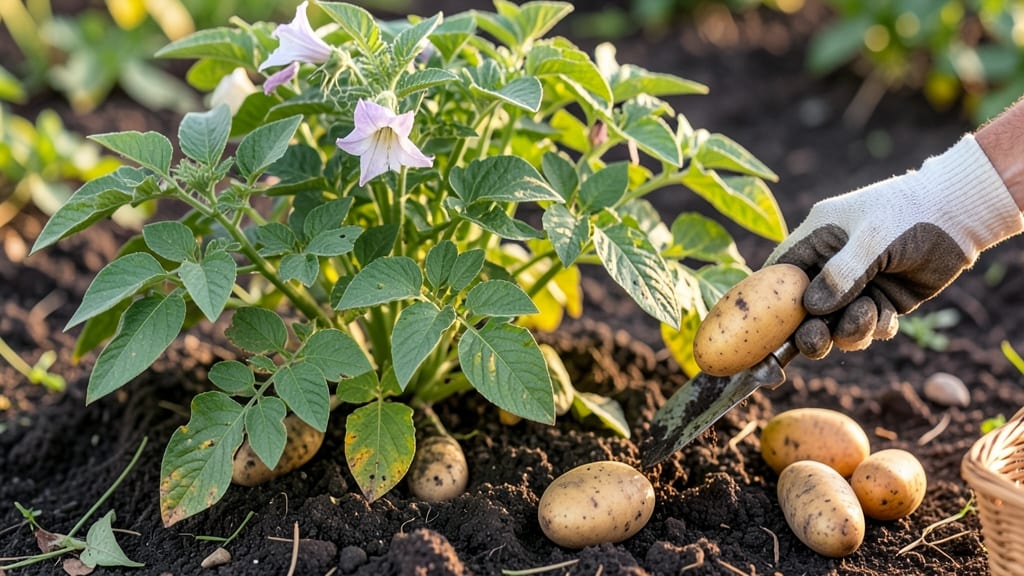
To pick potatoes from garden at the perfect time means the difference between fluffy, flavorful spuds and tough, shriveled messes.
Harvesting potatoes at the wrong time means tough, shriveled tubers instead of the fluffy, flavorful spuds you crave—so knowing when to dig matters more than you think.
Most gardeners wait until the foliage yellows and dies back, but there are three simple signs that tell you the moment is now—and missing them means wasted effort.
In this guide, I’ll walk you through the exact cues to watch for, how to check soil conditions, and even how regional climates shift your harvest window.


3 Clear signs your potatoes are ready for harvesting
Nothing beats the thrill of pulling fresh, plump potatoes from your garden—except maybe the disappointment of digging up small, underdeveloped tubers. The key to harvesting perfect potatoes lies in recognizing the right visual and physical cues.
I’ve learned the hard way that waiting too long leads to shriveled, tough spuds, while harvesting too early means wasting time on tiny potatoes. Let’s explore the three foolproof signs your potatoes are ready for harvest.
First, pay attention to the flower blooms on your potato plants. Most varieties produce purple, white, or pink flowers that signal the plant is shifting energy from foliage to tuber production. When you see these blooms, it’s time to start checking for other readiness signs.
I always mark my calendar when the first flowers appear—it’s my first gentle reminder that harvest time is approaching. Don’t ignore this visual cue, as it’s nature’s way of telling you the potatoes are maturing below ground.
Next, watch for foliage yellowing and wilting. As the plant prepares for dormancy, the leaves will begin to turn yellow and die back, especially in cooler climates. This process, called senescence, indicates the plant is redirecting nutrients to the tubers.
I’ve found that new potato varieties may yellow faster (around 60-70 days), while maincrop varieties can take up to 90 days. If your plants look like they’re throwing in the towel, it’s time to grab your fork!
🌱 3 Key Signs Your Potatoes Are Ready
- 🌼 Flowers Fade: Blooms turn brown and die back as energy shifts to tubers.
- 🌿 Foliage Yellows: Leaves wilt and die back, especially in cooler weather.
- 🥔 Tubers Feel Firm: Dig a test tuber—if skin is thick and dry, it’s harvest time!
Pro Tip: Test a few tubers by gently brushing away soil—if they’re 2-3 inches wide with rough skin, you’re golden!
But here’s where most gardeners trip up: not all yellow leaves mean it’s harvest time. If your plants are wilting due to disease or drought, the tubers may still be small. To confirm readiness, perform the soil check test.
Carefully brush away a small section of soil near the plant’s base. If you see firm, well-formed tubers (about the size of a golf ball for new potatoes or larger for maincrop), it’s time to harvest.
I always dig a test hole in a less visible spot first—this saves you from accidentally exposing your entire crop too soon!
The firmness test is your final green light. Gently press a tuber with your thumb—if it gives slightly but doesn’t bruise, it’s ready. Soft or mushy tubers mean they’ve been in the ground too long, while hard, unyielding tubers suggest they need more time.
I’ve also noticed that early harvests (like new potatoes) often have thin, papery skin, while maincrop potatoes develop a thicker, rougher skin as they mature. Pay attention to these details!
One mistake I made early in my gardening journey was waiting until the entire plant died back before harvesting. By then, the tubers had shriveled and split from lack of moisture. The best time to harvest is when the plant is 50-75% dead, depending on your climate.
In hot, dry regions, potatoes mature faster, while cooler, wet climates may require waiting longer. Always adjust your timing based on local conditions—this is where experience (and a little trial and error) comes into play.
For new potato varieties, you can start harvesting as early as 50-60 days after planting, even if the plant is still green. These baby potatoes are perfect for quick meals and can be harvested every 2-3 weeks for a continuous supply.
Maincrop varieties, however, need 90-120 days to reach full maturity. I’ve found that digging at the right time—when the plant is partially dead but tubers are firm—makes all the difference in flavor and texture.
Don’t forget to harvest on a dry, sunny day to allow the tubers to cure and toughen before storage. Spread them out in the sun for a few hours to harden the skin, which helps prevent bruising.
I always use a garden fork to gently loosen the soil and avoid damaging the tubers. Once harvested, store them in a cool, dark place with good airflow—this keeps them fresh for months. If you miss the perfect window, don’t panic!
Potatoes stored in the ground too long can still be eaten, though they may be smaller and tougher.
Mastering the art of potato harvesting takes practice, but once you recognize these three clear signs, you’ll never second-guess when to dig again. Next time you’re in your garden, take a moment to observe the flowers, foliage, and soil—your future meals depend on it!
With a little patience and these tips, you’ll be serving up homegrown, restaurant-quality potatoes in no time. Happy digging! 🥔
New vs. maincrop potatoes: best harvesting times explained
If you've ever wondered why your potatoes turn out tough or mealy, timing is the secret weapon. New potatoes and maincrop varieties have completely different harvest windows—getting them wrong means missing out on that perfect buttery texture.
For new potatoes, like 'Yukon Gold' or 'Red Pontiac', the magic happens early when tubers are still small and tender, typically 8-12 weeks after planting. Meanwhile, maincrop varieties like 'Russet' or 'Kennebec' need patience, maturing fully in 90-120 days.
Don't rely on days alone—soil temperature and plant signals are your real guides. For new potatoes, dig when tops are 6-12 inches tall and soil is 55-65°F.
Maincrop potatoes wait until foliage yellows and dies back, signaling tubers have reached full size. Skipping these cues leads to shriveled or overcooked potatoes—no one wants that!
🌱 Comparison Table: Harvesting New vs. Maincrop Potatoes
| Category | New Potatoes | Maincrop Potatoes |
|---|---|---|
| Time to Harvest | 8-12 weeks | 90-120 days |
| Plant Height | 6-12 inches | Full foliage |
| Soil Temp | 55-65°F | 60-70°F |
| Foliage Sign | Healthy green | Yellowing/dying |
| Tuber Size | 1-2 inches | Full size |
Here's my pro tip: For new potatoes, dig a few tubers as a test—if they're finger-sized and tender, you're golden. Maincrop potatoes? Wait until 90% of foliage has died back, then let the soil dry slightly before digging to avoid skin damage.
Pro tip: Loosen soil first with a fork to prevent bruising those precious tubers.
Regional climate plays a role too. In cooler zones (USDA 3-5), maincrop potatoes may need an extra 2-3 weeks due to slower growth. Meanwhile, warmer climates (USDA 7+) can harvest new potatoes even earlier—sometimes as soon as 7 weeks.
Always check your seed packet for days-to-maturity guidelines as a starting point.
One mistake I see often? Harvesting new potatoes too late—they'll toughen up fast. Or leaving maincrop potatoes in the ground past frost, which turns them woody. Cure your harvest by storing tubers in a cool, dark place (50-60°F) for 1-2 weeks to toughen skins and boost storage life.
Now you've got the timing down—time to dig in and enjoy those perfectly harvested potatoes! Whether you're whipping up mashed potatoes or roasting them, timing makes all the difference. Happy harvesting! 🥔