
Planting
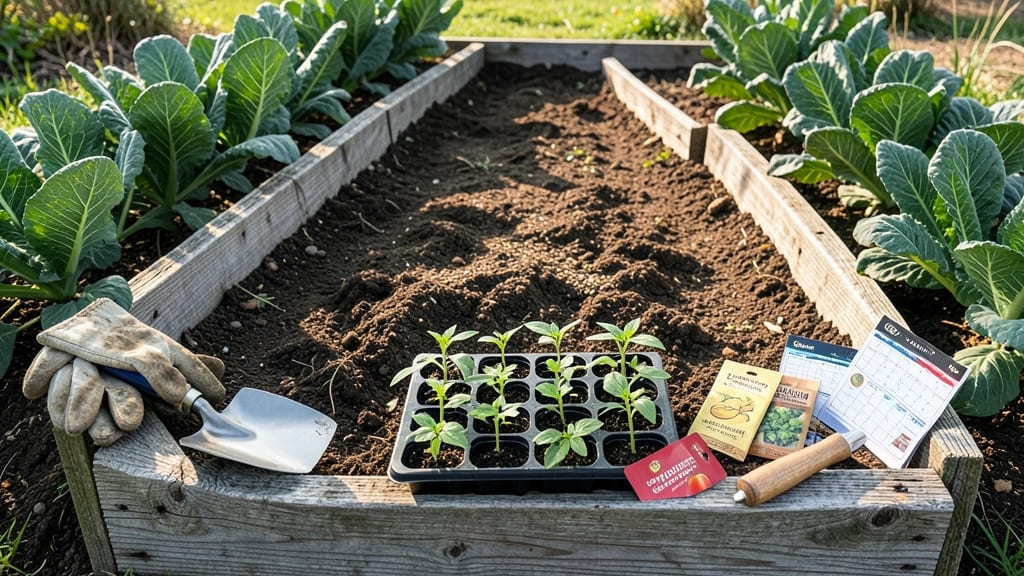
Planting a garden in Georgia at the right time means the difference between a thriving harvest and a sad, wilted disappointment.
Georgia’s long growing season and humid climate make it a gardener’s paradise—but planting at the wrong time can mean wilted dreams instead of a bountiful harvest. Timing is everything, and missing the ideal window for your favorite crops could leave you waiting months for fresh tomatoes or peppers.
In zones 7a-8b, the last frost typically hits around mid-March, signaling the start of the spring planting rush.
But not all plants play by the same rules—cool-season crops like lettuce and broccoli can handle a light frost, while heat-lovers like peppers and squash need to wait until the soil warms up.
Below, I’ll break down the exact planting windows for Georgia’s most popular crops, regional tweaks for coastal, Piedmont, and mountain areas, and the one mistake that ruins more gardens here than any other.
Georgia’s planting zones & heat tolerance: when to start seeds vs. transplants
Georgia spans USDA Hardiness Zones 7a through 8b, giving gardeners a 210-240 frost-free day window—perfect for year-round growing. But not all crops thrive when planted at the same time. Cool-season crops like lettuce and peas need early starts, while heat-lovers such as tomatoes and peppers demand warmer soil.
Your last spring frost typically hits March 15, and the first fall frost arrives around November 15, but these dates shift slightly by region.
Understanding your microclimate is key—Coastal Georgia’s Zone 8b enjoys longer summers, while the North Georgia Mountains (Zone 7a) experience earlier frosts. Indoor seed starting extends your growing season, but timing matters: warm-season seeds need to go in after soil warms to 60°F+, while cool-season crops can handle cooler temps.
Let’s break down the exact windows for your garden’s success.
For cool-season crops, start seeds indoors 6-8 weeks before your last frost.
In Zone 7a, that means late February for hardy greens like kale or spinach. Transplant outdoors 2-3 weeks before the last frost date—around March 15 in most of Georgia. Direct-sow cold-tolerant crops like radishes or carrots as soon as soil is workable, often by February 28 in Zone 8b.
Warm-season crops need to wait until soil temperatures hit 60°F+. Use a soil thermometer to check—if it’s below 55°F, delay planting. In Zone 7a, this usually aligns with April 20, while Zone 8b gardeners can start as early as March 15. Transplants like tomatoes or peppers should go in after the last frost, but direct-sown seeds (like beans or cucumbers) can handle slightly cooler soil.
Fall planting follows the reverse logic. Cool-season crops need to be in the ground 60-90 days before your first frost.
In Zone 7a, that’s September 1 for broccoli or October 15 for spinach. Warm-season crops like sweet potatoes or malabar spinach can extend your harvest into November in Zone 8b, but avoid planting after August 15 in cooler zones.
Pro tip: Use row covers or mulch to protect early spring or late fall plantings. A black plastic mulch can warm soil by 5-10°F, helping heat-lovers like peppers establish faster. Succession planting every 2-3 weeks ensures a continuous harvest—perfect for lettuce or bush beans.
Timing isn’t just about dates; it’s about soil warmth, microclimates, and plant resilience.
If you’re in Zone 8b, you can even grow year-round greens like Swiss chard or collards with lightweight row covers during winter. But in Zone 7a, focus on fast-maturing varieties or use a hoop house to extend your season. Heat tolerance varies wildly—
Exact planting calendar for Georgia’s most popular vegetables & herbs
Georgia’s humid subtropical climate lets gardeners grow year-round, but timing matters for maximum yields. Warm-season crops like tomatoes and peppers thrive in summer heat, while cool-season greens prefer milder spring and fall.
Here’s your month-by-month guide to planting Georgia’s top crops, including succession planting tips and container-friendly varieties.
Start with soil temperature checks—most seeds need 60-70°F soil to germinate. Use a soil thermometer or the back-of-your-hand test (if it feels warm, it’s ready!).
For heat-sensitive varieties like lettuce, plant in early spring or late summer to avoid wilting. Container gardens can extend seasons by 2-4 weeks in both directions.
🌱🌿 Comparison Table: Georgia Planting Calendar by Crop Type
| Crop | Spring Planting | Summer Planting | Fall Planting | Notes |
|---|---|---|---|---|
| Tomatoes | Transplant after April 15 | Succession plant June-July | None (heat-sensitive) | Container-friendly; stake early |
| Peppers | Transplant after April 1 | Succession plant May-August | None (needs heat) | Slow growers; start early |
| Squash/Zucchini | Direct sow March-April | Succession plant June | Direct sow August | Prolific; thin seedlings |
| Lettuce | Direct sow February-April | None (bolts in heat) | Direct sow August-September | Succession plant every 2 weeks |
| Basil | Transplant after April 15 | Succession plant June-July | None (heat-loving) | Harvest leaves to encourage growth |
| Green Beans | Direct sow March-April | Succession plant May-June | Direct sow August | Bush or pole varieties available |
| Cucumbers | Direct sow April-May | Succession plant June-July | None (needs heat) | Trellis for better air flow |
For container gardening, adjust timelines by 2 weeks earlier in spring and 2 weeks later in fall.
Containers warm up faster, giving you a head start. Heat-sensitive crops like spinach and kale should be planted in late summer for fall harvests—aim for 8-10 weeks before the first frost (mid-November).
Pro tip: Use shade cloth in summer to protect leafy greens from bolting. For succession planting, sow radishes every 2 weeks from March to September—they mature in just 30 days!
Mulch with straw or pine needles to retain moisture and regulate soil temperature during Georgia’s hot, humid summers.
Remember, Georgia’s frost dates vary