
Planting
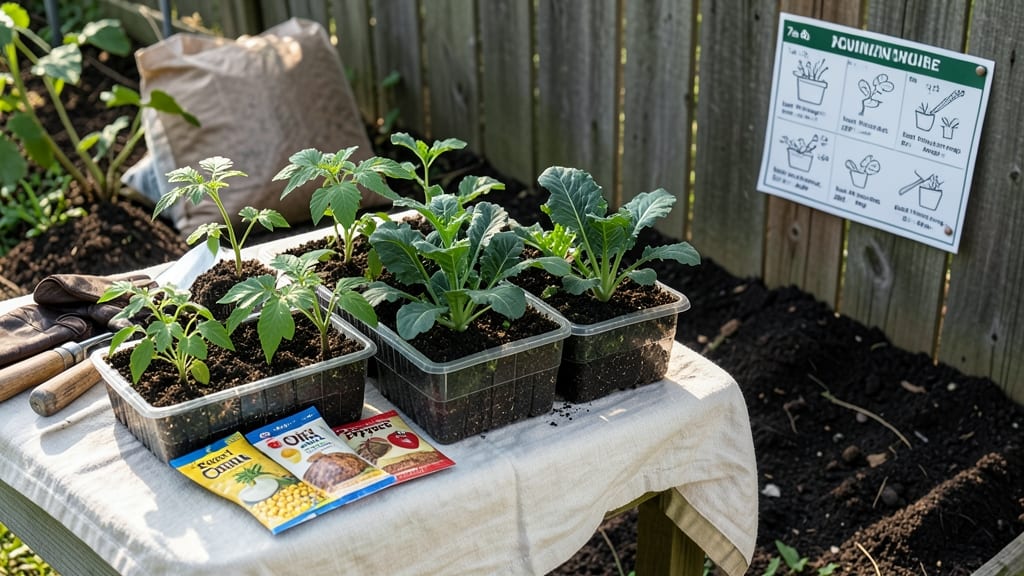
Planting your garden in Georgia at the wrong time can mean the difference between a lush harvest and a wasted season.
Georgia’s diverse climate—from the humid coastal plains to the cooler mountain regions—means timing is everything. One week too early, and a late frost will wipe out your seedlings.
Too late, and the heat arrives before your tomatoes set fruit. I’ve lost entire plantings to both mistakes, and I’m here to help you avoid them.
Whether you’re in the Piedmont’s rolling hills or the Coastal Plain’s warmer air, the key is knowing your frost-free dates and matching them to your crops.
Cool-season greens like lettuce and spinach thrive when soil temperatures dip below 70°F, while warm-season favorites like peppers and squash need the ground to stay above 60°F for weeks. Get it right, and you’ll enjoy a garden that produces all summer long.
Below, I break down the exact planting windows for every Georgia zone, from seed-starting dates to transplanting times, plus pro tips to stretch your season. By the end, you’ll know not just when to plant, but how to protect your garden from Georgia’s unpredictable weather.
Georgia’s frost-free dates by planting Zone: when to start seeds and transplant
Georgia spans 7 USDA hardiness zones (6A-8B), creating a complex planting schedule that varies dramatically between the cooler Appalachian Mountains and the warmer coastal plains.
Understanding your last frost date and first frost date is critical—planting too early can kill tender seedlings, while waiting too long may shorten your harvest season. Let’s break down the exact windows for starting seeds indoors, transplanting, and direct sowing in each zone.
For Zone 6A (northern mountains like Blue Ridge), the average last frost date falls around April 15, while Zone 8B (southeast coastal areas like Savannah) enjoys a frost-free season until November 15.
This 3-month difference means your planting timeline should adjust accordingly. Below, I’ve outlined the key dates and strategies for each zone to help you time your garden perfectly.
📅 Pro Tip: Use a soil thermometer—most warm-season crops like tomatoes and peppers need soil temps of 60°F+ to thrive, while cool-season greens can tolerate 40°F+ soil. This often means waiting 1-2 weeks after your last frost for warm-lovers.
| Zone | Avg. Last Frost | Avg. First Frost | Start Seeds Indoors | Transplant Warm Crops | Direct Sow Cool Crops |
|---|---|---|---|---|---|
| 6A (NE GA Mountains) | April 15 | November 1 | March 1 - April 1 | May 1 - May 15 | March 15 - April 30 |
| 7A (NW GA Piedmont) | March 25 | October 30 | February 15 - March 15 | April 15 - May 1 | February 20 - April 15 |
| 7B (Central GA) | March 15 | October 15 | February 1 - March 1 | April 1 - April 15 | February 1 - April 1 |
| 8A (South GA) | February 28 | November 15 | January 15 - February 15 | March 1 - March 15 | January 15 - March 31 |
| 8B (Coastal GA) | February 14 | November 30 | January 1 - February 1 | February 20 - March 1 | January 1 - April 1 |
*Dates are averages—always monitor local forecasts for adjustments!
In Zone 6A, where frosts linger later, I recommend starting tomato and pepper seeds indoors by March 1 to give them time to mature before transplanting after May 1.
For cool-season crops like lettuce or spinach, direct sow as early as March 15—just cover seedlings with frost cloth if nights dip below 30°F.
In contrast, Zone 8B gardeners can start warm-season seeds as early as January 1 and transplant by February 20, thanks to the extended growing season.
Fall planting is equally critical. In Zone 6A, sow cool-season crops like kale or radishes by August 15 to harvest before the first frost on November 1. Meanwhile, Zone 8B can push the envelope—planting broccoli or carrots until October 15 for a late harvest.
The key is soil temperature: aim for 50°F+ for most cool-season crops to ensure good germination.
Georgia’s Piedmont region (Zones 7A-7B) often experiences unpredictable late frosts, so I always recommend having row covers ready. If you’re in Zone 7A, wait until April 15 to transplant peppers and eggplants—these plants are particularly sensitive to cold snaps.
For direct-sown crops like beans or cucumbers, the window is April 15 to May 15, once soil temps consistently stay above 65°F.
One common mistake I see is overestimating warm-season crop maturity. For example, tomatoes in Zone 6A need 80-90 days to harvest, so starting seeds too late can mean a failed crop.
Use fast-maturing varieties like ‘Early Girl’ tomatoes (65 days) if your season is short. Conversely, in Zone 8B, you can afford
Best planting schedule for Georgia crops: warm-season vs. cool-season vegetables
Georgia’s long growing season lets you grow a diverse range of vegetables, but timing is everything. Warm-season crops like tomatoes and peppers thrive in heat, while cool-season greens prefer milder temperatures. The key is aligning planting with Georgia’s frost-free dates and soil warmth.
In Zone 7 (Piedmont), for example, warm-season plants go in after your last frost date (mid-March to April), while cool-season crops like kale or spinach can handle fall frosts into November. Coastal areas (Zone 8) have even longer windows, but mountain regions (Zone 6) need extra caution.
- Warm-Season Plants (April–June): Tomatoes, peppers, squash, cucumbers, corn. Wait until soil is 60°F+—use a soil thermometer!
- Cool-Season Plants (Feb–March, Sept–Oct): Lettuce, broccoli, carrots, onions, peas. Start indoors 4–6 weeks before last frost.
- Succession Planting Tip: Sow bush beans or radishes every 2 weeks from April to July for continuous harvests.
- Heat-Tolerant Varieties: Try 'Celebrity' tomatoes or 'Carolina Gold' peppers—they handle Georgia’s summer heat better.
- Fall Planting Window: Late July–early August for cool-season crops to mature before first frost (Oct–Nov).
For warm-season crops, start seeds indoors 6–8 weeks before transplanting (around March). Once temperatures stabilize, move seedlings outdoors after April 15 in most zones, but protect them from late frosts with row covers. Georgia’s humidity also means choosing disease-resistant varieties like 'Arkansas Traveler' melons.
Cool-season crops are trickier—broccoli and cabbage can bolt in summer heat, so plant them in early spring or late summer. Use shade cloth in peak summer if extending the season. Succession planting is your best friend: Sow lettuce every 3 weeks from March to September for nonstop harvests.
Don’t forget herbs like basil and cilantro—they’re warm-season and cool-season darlings, respectively. Basil loves heat but wilts in frost, while cilantro bolts in summer. Plant them in partial shade during extreme heat to keep them productive.
Pro tip: Use mulch to regulate soil temperature and retain moisture. In Zone 8 (coastal Georgia), you can even plant winter greens like collards in December—they’ll thrive until spring! Adjust your schedule based on microclimates (e.g., north-facing beds stay cooler).