
Planting
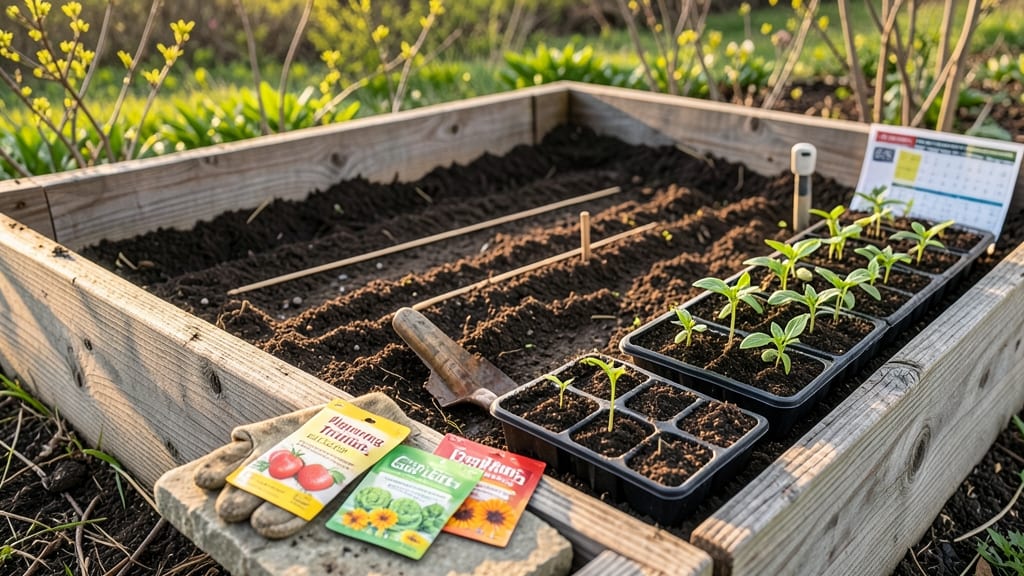
To plant a garden in Ohio, aim for late April to early May in most zones — but the exact timing depends on whether you’re sowing cool-season crops or waiting for the soil to warm.
Ohio’s unpredictable climate can make timing your garden planting a real challenge — plant too early and risk frost damage, too late and miss peak harvests.
Even within the state, frost-free dates shift dramatically from Toledo’s Zone 6 to Columbus’s Zone 6a or Cleveland’s Zone 5b, where a late freeze can still hit in May.
In this guide, I’ll break down the ideal planting windows for Ohio’s most popular vegetables, flowers, and perennials, including when to start seeds indoors and when to direct-sow outdoors.
You’ll also learn how to adjust for microclimates, use row covers to extend your season, and avoid the three mistakes that derail Ohio gardens every year.
Whether you’re a first-time gardener or a veteran looking to fine-tune your schedule, these frost-free dates and crop-specific tips will help you maximize your yield and enjoy a bountiful harvest from summer through fall.
Ohio’s frost-free dates by Zone: exact planting windows for spring and fall
Ohio’s USDA hardiness zones 4-7 create a diverse gardening landscape, where last frost dates can vary by 3 weeks from northern Cleveland to southern Cincinnati. Understanding these frost-free windows helps you align your planting schedule with Ohio’s cool-season and warm-season crops for maximum success.
Southern Ohio (zones 6-7) often enjoys earlier last frosts in mid-April, while northern areas (zones 4-5) may wait until late May. First fall frosts also shift dramatically—mid-October in Toledo vs. late November in Columbus.
These variations directly impact when to plant heat-loving tomatoes or frost-tolerant kale.
Key takeaway: Southern Ohio gardeners gain 60-90 extra frost-free days compared to northern zones. This means earlier starts for warm crops like peppers and longer harvest windows for fall crops such as broccoli.
For cool-season crops like lettuce, spinach, and peas, you can start seeds 4-6 weeks before your last frost date. In Zone 4 (Cleveland), that means mid-March sowings, while Zone 7 (Toledo) gardeners can begin as early as mid-February.
These early plantings establish roots before spring warmth triggers bolting.
Warm-season crops such as tomatoes, peppers, and cucumbers require soil temperatures above 60°F and no frost risk. In Columbus (Zone 5), wait until May 1 to transplant seedlings, while Cincinnati (Zone 6) can start 2 weeks earlier.
Northern Ohio gardeners often use row covers to extend these windows by 10-14 days.
Fall planting follows the opposite logic: cool-season crops thrive as temperatures drop. In Cleveland (Zone 4), sow broccoli and kale by August 15 for harvest before frost, while Toledo (Zone 7) gardeners can extend until September 15.
Always calculate 60-80 days to maturity from your first frost date.
Microclimates add another layer: South-facing slopes warm 2-3°F faster than north-facing areas, potentially shifting frost dates by 5-7 days. Urban areas like Columbus also experience urban heat islands, delaying first frosts by 1-2 weeks compared to rural zones.
Use these frost-free windows
Best planting schedule for Ohio crops: when to start seeds indoors vs. direct-sow outdoors
Ohio gardeners know timing is everything—get it wrong, and your tomatoes might bolt or your peppers never mature. The key is balancing indoor seed-starting with direct-sowing deadlines based on Ohio’s frost-free dates (typically late April to early May in most zones).
For example, I always start tomato seeds indoors in early March, but radishes go straight into the ground in late March.
Your soil temperature matters just as much as calendar dates. Warm-season crops like beans and squash need soil at 60°F+ to thrive, while cool-season crops like lettuce and spinach can handle cooler soils.
In Northern Ohio (zones 5-6), I wait until mid-May for cucumbers, but in Southern Ohio (zones 6-7), I can plant them by early May.
Here’s my side-by-side schedule for Ohio’s most popular crops, including when to start seeds indoors vs. direct-sow outdoors. Adjust dates by 1-2 weeks if you’re in an early or late frost zone.
| Crop | Start Seeds Indoors | Direct-Sow Outdoors | Soil Temp Requirement | Notes |
|---|---|---|---|---|
| Tomatoes | Early March | After last frost (mid-May) | 60°F+ | Transplant after hardening off |
| Peppers | Late February | After last frost (late May) | 65°F+ | Slow growers—start early! |
| Lettuce | N/A | March–April, Sept–Oct | 40°F–65°F | Bolt-resistant varieties for summer |
| Beans | N/A | After soil warms (mid-May) | 60°F+ | Succession plant every 2 weeks |
| Cucumbers | Late March | After last frost (early May) | 65°F+ | Trellis for better air flow |
For cool-season crops like kale or carrots, I often direct-sow in early spring (March) and again in late summer (August) for a fall harvest. These plants tolerate light frosts and even thrive in cooler weather.
Meanwhile, warm-season crops like eggplants need a longer growing season—start them indoors in early April and transplant after Memorial Day.
Pro tip: Use row covers to extend your direct-sowing window by 2-3 weeks for heat-loving crops. I’ve had great success with tomatoes and peppers planted under covers in early May, even in Northern Ohio. Just remove covers when flowers appear to prevent heat stress.
Adjust your schedule based on weather forecasts—if a late frost is predicted, hold off on planting squash or melons until temperatures stabilize. Ohio’s climate can shift quickly, so flexibility is key to a bountiful harvest! 🌱