
Planting
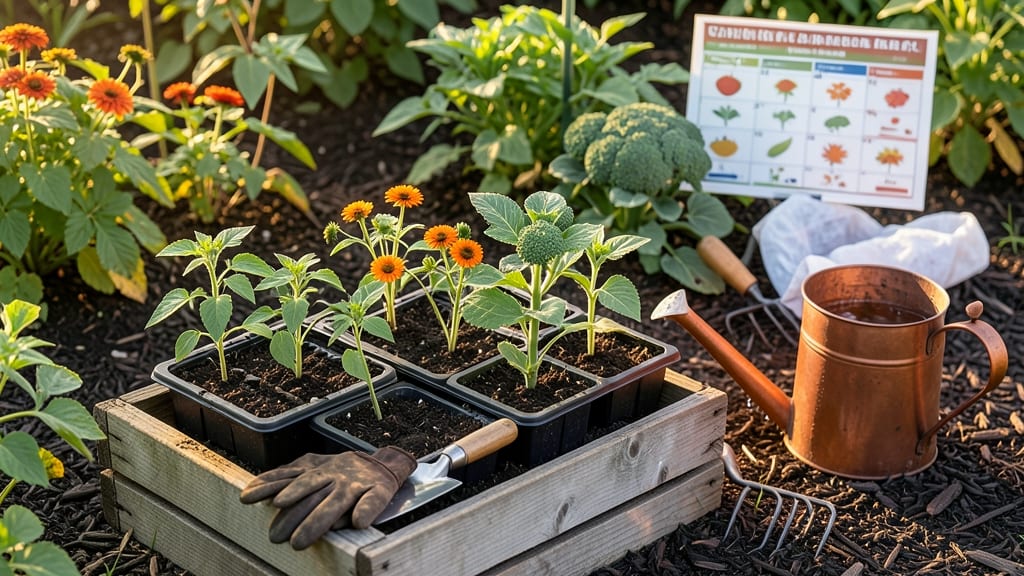
To plant a garden in Kentucky at the right time means catching the 165 frost-free days between April and October—every week counts for faster harvests.
Kentucky’s mild winters and long growing season make it a gardener’s paradise—but planting at the wrong time can mean stunted plants or lost harvests. If you’re in Zone 6B, timing is everything for maximizing yields, and missing these deadlines could cost you weeks of growth.
Spring crops like peas and lettuce thrive when planted 4-6 weeks before your last frost, while tomatoes and peppers need the soil to warm to at least 50°F—usually by mid-May.
Fall plantings like kale and garlic, on the other hand, should go in by early September to mature before the first frost hits.
In this guide, I’ll break down the exact planting windows for Kentucky’s most productive crops, plus how to adjust for urban heat islands, rural microclimates, and those unpredictable late frosts that can sneak up on you.
Kentucky Zone 6B planting deadlines by season (with last-frost dates)
Kentucky’s Zone 6B climate gives you a 165-day frost-free season, but nailing your planting deadlines means the difference between a bountiful harvest and wasted effort. The last frost date typically falls around April 15 in Louisville, Lexington, and Bowling Green, though microclimates can shift this by 1-2 weeks.
Cool-season crops like lettuce and peas thrive when planted 4-6 weeks before that date, while warm-season tomatoes and peppers need soil temps above 55°F.
For summer crops, the window closes by July 15—anything planted later risks bolting or stunted growth. Fall planting starts August 1 for cool-season crops like kale and spinach, which need 60-80 days to mature before the first frost (usually October 15).
Missing these deadlines can mean 30-50% smaller yields or plants that fail to thrive.
Here’s your Kentucky Zone 6B planting timeline, broken down by season with last-frost adjustments for your region:
| Season | Planting Window | Last-Frost Adjustment | Key Crops | Soil Temp Requirement |
|---|---|---|---|---|
| Early Spring | February 15 – March 31 | 4-6 weeks before last frost (hardy crops) | Peas, Spinach, Lettuce, Kale, Onions | 40–50°F |
| Late Spring | April 1 – May 15 | After last frost (warm-season crops) | Tomatoes, Peppers, Cucumbers, Beans, Corn | 55–65°F |
| Summer | June 1 – July 15 | Before July heat stress | Okra, Sweet Potatoes, Basil, Zucchini | 60–75°F |
| Early Fall | August 1 – September 15 | 80–100 days before first frost | Broccoli, Carrots, Radishes, Garlic, Lettuce | 45–55°F |
| Late Fall | September 16 – October 10 | Cold-hardy crops only | Spinach, Arugula, Turnips, Overwintering Onions | 40–50°F |
For cool-season crops, start seeds indoors 6-8 weeks before your target planting date.
For example, if you’re sowing lettuce in early March, begin seeds indoors in January to get a head start. Warm-season crops like tomatoes and peppers benefit from transplanting after May 1, once soil temps consistently stay above 55°F.
If you’re in Louisville, urban heat islands can delay last frosts by 3-5 days, while Bowling Green may see earlier frosts in valleys.
Always check your local USDA Plant Hardiness Zone map and monitor soil temperature with a probe—50°F is the magic number for most seeds to germinate. Pro tip: Use black plastic mulch to warm soil 5–10°F faster in early spring.
For fall planting, aim to harvest cool-season crops before the first frost. Kale and spinach can handle light frosts, but lettuce will bolt if temps drop below 30°F. Extend your season by covering plants with row covers or using a c
How to adjust planting times for Kentucky’s microclimates (urban vs. rural)
Kentucky’s diverse geography means your planting schedule should vary based on whether you’re gardening in the heart of Louisville’s urban heat island or the cooler Appalachian foothills. Urban areas can be 5-10°F warmer than rural zones, throwing off traditional frost dates.
Meanwhile, rural spots near waterways or higher elevations might experience late frosts well into May—so don’t assume one-size-fits-all advice works for your patch.
For example, tomatoes and peppers in Louisville’s city core might tolerate direct sowing by April 20, while rural gardeners in Henderson County should wait until May 10 to avoid frost damage. These microclimate differences can mean the difference between a bountiful harvest and a sad, wilted disappointment.
Here’s how to fine-tune your planting calendar based on where you live in Kentucky:
Urban Heat Island Warning
City gardens (Louisville, Lexington) warm up faster—soil can hit 50°F+ weeks earlier than rural areas. But this also means drought stress peaks in July and pests thrive. Use mulch or shade cloth to protect seedlings from heat spikes, and plant heat-tolerant varieties like Malabar spinach or Okra.
Rural areas (Appalachian Region, Bowling Green) often have cooler soils and later frosts. Extend your season with cold frames or row covers to plant 4-6 weeks earlier than urban guides suggest.
Start by checking your local microclimate zone using the USDA Plant Hardiness Map or ask neighbors with established gardens—especially those growing the same crops.
For instance, radishes in urban areas might be ready in 30 days by late March, while rural gardeners might not plant until early April for the same harvest window.
Use soil thermometers to confirm when your soil reaches 50°F for warm-season crops like tomatoes or 40°F for cool-season crops such as peas. In urban areas, black plastic mulch can raise soil temps by 5-10°F, letting you plant peppers 2 weeks earlier.
Rural gardeners, on the other hand, may need to use clear plastic tunnels to warm soil faster in spring.
For fall planting, urban gardeners can often sow kale or garlic until early October, while rural areas should finish by September 15 to avoid frost.
Pay attention to local weather patterns: the Bluegrass Region tends to have earlier frosts than the Western Coal Fields, so adjust accordingly. If you’re unsure, err on the side of planting 2 weeks later—you can always add a cold frame later if needed.
Finally, monitor your local weather station (like the NWS Louisville or Lexington forecasts) for real-time adjustments. Even a 5-day forecast can tell you whether to rush planting or hold off for cooler temps. With these tweaks, you’ll maximize your Kentucky garden’s potential—no matter where you’re growing!