
Planting
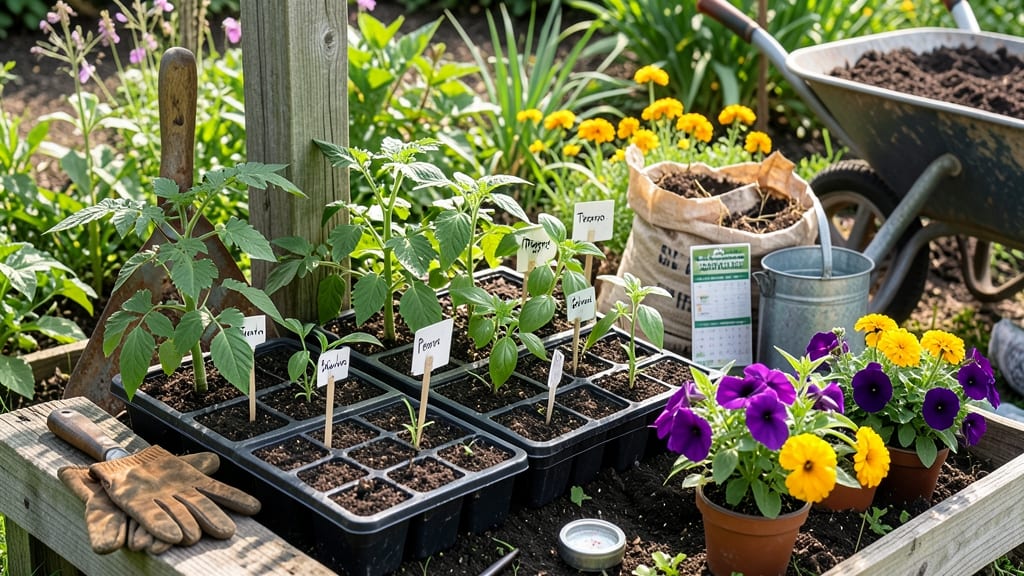
Planting a garden in Tennessee at the right time means the difference between a bumper crop and a sad, wilted mess—especially when frost can strike even in late spring.
Tennessee’s diverse climate—from the Smoky Mountains to the Mississippi Delta—means your garden’s success hinges on planting at the perfect time. Miss the window, and frost or heat can ruin your hard work. Here’s your zone-by-zone guide to planting zero-frost-risk crops like tomatoes, peppers, and squash without guessing.
For most of the state, the ideal window opens in mid-March after the last frost, but timing shifts dramatically from Nashville’s 6a to Memphis’ 7b.
Whether you’re sowing cool-season greens or heat-loving peppers, knowing your exact last frost date—and how to stretch the season—is the key to a thriving garden.
Below, I’ll break down the best planting dates for your zone, plus pro tips to avoid common pitfalls like overwatering or planting too early. Ready to grow like a local?
Tennessee planting zones & last frost dates by region (2024 guide)
Tennessee spans USDA zones 6a through 8a, meaning your last frost dates can vary by 3-4 weeks depending on location. In zone 6a (east Tennessee mountains), expect frost until May 15, while zone 8a (Memphis area) often sees frost-free conditions by March 1.
These differences matter for warm-season crops like tomatoes and peppers.
Your microclimate plays a bigger role than your ZIP code. Valleys (like Chattanooga’s Chickamauga) stay colder longer, while urban heat islands (Nashville’s downtown) can push frost dates back by 10 days or more. Even a 100-foot elevation change can shift your frost window by a week.
Here’s how to use this guide: First, find your region below, then adjust for your specific microclimate. For example, if you’re in zone 7a but live in a valley, plant warm crops 2 weeks later than the average date.
| Region | USDA Zone | Avg Last Frost | Avg First Frost | Microclimate Adjustments |
|---|---|---|---|---|
| Nashville | 7a | April 15 | October 30 | Urban areas: +7 days; valleys: -7 days |
| Memphis | 8a | March 1 | November 15 | River areas: +5 days; higher elevations: -5 days |
| Chattanooga | 7b | April 1 | October 20 | Valleys: -10 days; ridges: +5 days |
| Knoxville | 6b | April 25 | October 10 | Mountain slopes: -14 days; city centers: +3 days |
For Nashville gardeners in zone 7a, the last frost date is typically April 15, but urban heat can push this to April 8.
This means you can plant tomatoes and peppers outdoors by April 22 (3 weeks after frost) to avoid cold snaps. Cool-season crops like lettuce and spinach should go in by March 1.
In Memphis (zone 8a), the earliest frost-free window in Tennessee lets you plant warm-season crops as early as February 20. However, soil temperatures below 60°F will stunt growth, so wait until March 15 for best results. Fall planting can extend until September 15.
Chattanooga’s 7b zone creates a unique challenge: valleys (like Signal Mountain) may see frost until April 11, while ridge tops (like Lookout Mountain) can be frost-free by March 25. Use row covers to protect seedlings in valleys until April 15.
If you’re in Knoxville (zone 6b), the Smoky Mountains’ elevation means your last frost could be as late as May 1. For zero-frost-risk planting, wait until May 15 for tomatoes and peppers. Cool-season crops like broccoli thrive when planted by March 1.
Pro tip: Use a soil thermometer—most warm-season crops need soil temps above 60°F for 7 consecutive days before planting. In zone 6a, this could mean waiting until May 1 even if frost is gone.
For container gardening, urban heat islands can create microclimates where zone 8a conditions exist in Nashville’s downtown. Monitor your plants closely, as heat stress can occur 2-3 weeks earlier than in rural areas.
Remember: These dates are averages. Check the National Weather Service for your local forecast 2 weeks before planting to adjust for unusual cold snaps. A 5-day frost delay can mean the difference between a thriving tomato plant and a frost-killed seedling. 🌱
Best zero-frost crops for Tennessee & their ideal planting windows
Tennessee’s long, hot summers make it perfect for growing zero-frost-risk crops like tomatoes, peppers, and okra. These heat-loving plants thrive when planted after the last frost, ensuring maximum yield without frost damage.
The key is timing—plant too early, and cool soil stunts growth; too late, and summer heat arrives before harvest. Here’s my exact planting schedule for Tennessee’s three main zones (East, Middle, West) to help you avoid common mistakes.
For East Tennessee (USDA Zones 6a-7a), where last frosts average April 15, focus on late April to early May for direct-sown crops. Middle Tennessee (Zones 7a-7b)—think Nashville—can start March 20 to April 10, while West Tennessee (Zones 7b-8a) like Memphis can begin as early as March 1 for heat-tolerant varieties.
I’ll break down the top 10 zero-frost crops and their ideal planting windows, plus companion planting tips to boost your harvest.
- 🍅 Tomatoes: April 15–May 15 (transplant) or May 1–June 1 (direct sow). Best varieties: Celebrity (determinate) or Better Boy (indeterminate).
- 🌶️ Peppers: April 1–May 10 (transplant). Start seeds indoors 8–10 weeks before last frost. Try Jalapeño or Bell Pepper varieties.
- 🌿 Okra: May 15–June 1 (direct sow). Loves heat! Plant Clemson Spineless for high yields.
- 🍠 Sweet Potatoes: May 1–June 1 (slips). Use certified disease-free slips for best results.
- 🎃 Squash (Summer): April 15–May 10 (direct sow). Yellow Crookneck or Zucchini thrive in TN’s heat.
- 🥒 Cucumbers: April 20–May 15 (trellis for space-saving). Pick Marketmore for slicing.
- 🌶️ Eggplant: April 15–May 1 (transplant). Black Beauty is a TN favorite.
- 🌻 Southern Peas: April 1–May 10 (direct sow). Purple Hull or Crimson varieties love TN’s climate.
- 🍆 Peanuts: May 15–June 1 (direct sow). Needs 120+ days to mature—plant early!
- 🌶️ Hot Peppers: April 1–April 15 (transplant). Carolina Reaper or Habanero need heat to ripen.
Pairing crops strategically can double your yield and deter pests. For example, plant basil near tomatoes to repel flies and improve flavor, or marigolds around peppers to ward off nematodes.
My go-to combinations for Tennessee gardens include: - Tomatoes + Onions + Lettuce (onions deter pests, lettuce thrives in tomato shade). - Peppers + Spinach (spinach grows well in pepper beds early in the season). - Okra + Sweet Potatoes (both love heat and deep soil).
If you’re in East Tennessee with cooler springs, opt for early-maturing varieties like Early Girl tomatoes or Quick Pick cucumbers. In West Tennessee, push the envelope with long-season crops like Brandywine tomatoes (90+ days) or Cayenne peppers.
Always check soil temps—aim for at least 60°F (15°C) before planting heat-lovers like peppers and okra.
For fall planting, focus on August 1–September 1 for crops like collards, turnips, and kale. These tolerate cooler temps better than summer crops. Use black plastic mulch to warm soil in early spring or straw mulch to retain moisture in summer.
My #1 rule: Never plant seeds in cold soil—wait for daytime temps to stay above 65°F (18°C) consistently.
Tennessee’s climate rewards gardeners who adapt to their zone. By following these windows and companion planting tips, you’ll enjoy bountiful harvests from spring to fall—without frost ruining your hard work. Start with one or two crops this season, then expand next year. Happy planting! 🌿