
Planting
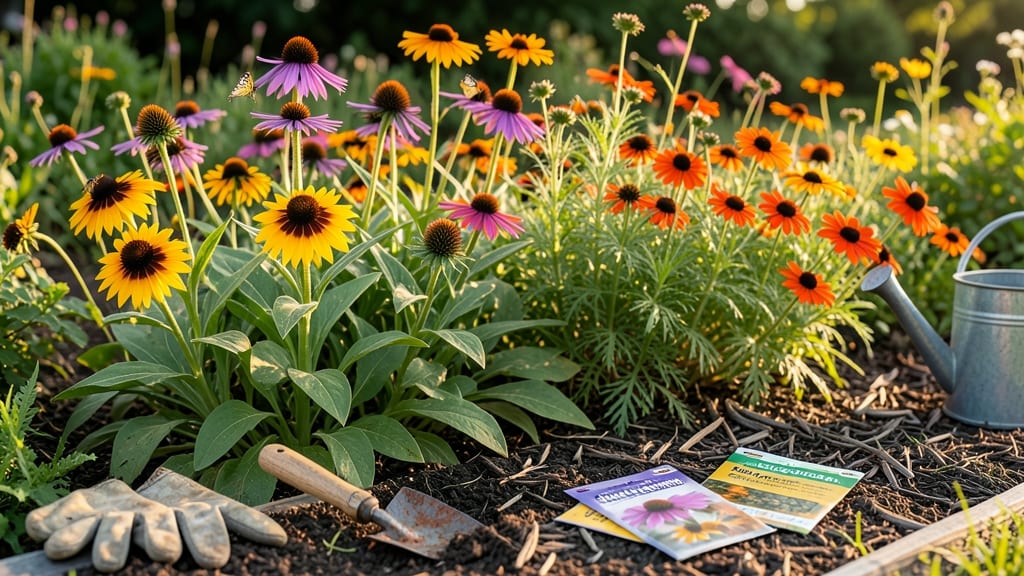
The best time to plant a garden in Tennessee is after your last spring frost, when soil temperatures hit 50°F+ for warm crops or 40°F+ for cool-season plants.
Tennessee’s unpredictable frost dates can turn a gardener’s dream into a risky gamble—unless you know the exact spring window for planting with near-zero frost risk. Skip the guesswork and plant confidently with these science-backed triggers.
East Tennessee’s high elevations mean frost lingers until late April, while West Tennessee’s lower zones often see frost-free soil by early March. The key? Track redbud blooms or use a soil thermometer—both beat guessing.
In this guide, I’ll break down the 3 critical warmth triggers to plant without frost risk, plus a region-by-region planting calendar for 15+ Tennessee-friendly crops—so you avoid common mistakes like planting tomatoes too early.
Tennessee’s frost-free planting zones: when to plant by region (East vs. west)
Tennessee’s diverse geography creates 5 distinct USDA planting zones, with East Tennessee’s cooler highlands (4a-6a) often facing 2-3 weeks later planting than West Tennessee’s warmer lowlands (6b-7a). These differences mean your Chattanooga garden might be ready in early April while Knoxville’s last frost lingers until mid-May.
Understanding your microclimate is crucial—lakes like Norris or Chickamauga can delay frosts by 5-7 days, while mountain valleys may experience earlier spring warmth. The NOAA Climate Data portal lets you verify your local frost history with just your ZIP code, ensuring you’re planting at the right time.
| Region | USDA Zone | Avg Last Frost | Planting Window | Key Microclimates |
|---|---|---|---|---|
| East TN (Mountains) | 4a-6a | April 15-May 1 | After May 15 (cool crops) | High elevations (1,500ft+) |
| Middle TN (Nashville) | 6b-7a | March 20-April 5 | After April 15 (warm crops) | Urban heat islands |
| West TN (Memphis) | 7a-7b | March 10-20 | After March 30 | Mississippi River influence |
| High Elevations | 4a-5a | May 1-15 | After May 30 | Clingmans Dome area |
| Lake Regions | 6a-6b | April 1-10 | After April 15 | Norris Lake, Chickamauga |
Your elevation matters more than latitude—a 2,000-foot climb in East Tennessee can push your last frost date 3 weeks later. For example, Gatlinburg’s 4a zone (avg last frost: May 10) contrasts sharply with Jackson’s 7a zone (avg last frost: March 15).
Use the USDA Plant Hardiness Map to pinpoint your exact zone, then adjust planting by 10-14 days for high-elevation gardens.
Lakes create localized frost pockets—areas near large water bodies like Lake Cumberland may experience 5-7°F warmer nights than inland spots. This "lake effect" can let you plant tomatoes and peppers 10 days earlier near shorelines. Check NOAA’s Climate Normals for your specific location to account for these variations.
For cool-season crops like kale or peas, East Tennessee gardeners should wait until after May 15 when soil temps hit 45°F+. In contrast, West Tennessee’s warmer climate allows planting spinach and lettuce by March 20.
Always verify with a soil thermometer—50°F soil is the magic number for warm-season starts like tomatoes and cucumbers.
Mountain valleys often warm up faster than ridge tops, creating microclimates within 5 miles. Test your garden’s warmth by planting marigolds or nasturtiums as early as March 15 in sheltered spots.
If they thrive, you’re ready for cool crops like broccoli or cabbage. If they fail, wait another 2 weeks before planting.
West Tennessee’s longer growing season (avg 220 frost-free days) lets gardeners try double-cropping strategies. Plant radishes in February for early harvests, then follow with beans or squash after the last frost.
East Tennessee’s shorter season (180-200 days) demands earlier starts indoors and fast-maturing varieties like ‘Early Girl’ tomatoes (55 days) over standard varieties.
Never rely on calendar dates alone—always check the 7-day forecast before planting. A late-March cold snap can push West Tennessee’s frost risk back to April 1, while East Tennessee’s high-elevation gardens may not be safe until May 20.
Use the National Weather Service’s Frost Advisory alerts to stay ahead of surprises.
Pro tip: Mark your last frost date on a calendar when redbud trees bloom—this native plant’s flowers typically appear 2-3 weeks before the final frost in most of Tennessee. Use this natural biological clock
The 3 critical spring warmth triggers to plant without frost risk
Timing your Tennessee garden correctly means avoiding those heartbreaking late frosts that can wipe out weeks of work. Instead of relying on calendar dates, I’ve found three science-backed warmth triggers that signal it’s safe to plant. These methods work across East, Middle, and West Tennessee—no matter your USDA zone.
First, soil temperature is your most reliable gauge. Warm-season crops like tomatoes and peppers need soil at 50°F+ for 5+ days straight, while cool-season plants like kale and spinach thrive at 40°F+. A simple soil thermometer (just $10) takes the guesswork out of timing.
Next, watch native plants like redbud trees or forsythia. When their flowers fully bloom, it’s typically 2-3 weeks until the last frost in most of Tennessee. This biological clock is far more accurate than almanacs.
Finally, check the 7-day forecast for nighttime lows above 35°F. Even if your soil is warm, a cold snap can still damage tender seedlings. I always wait until this forecast clears before planting heat-loving crops.
- 1 Soil Temperature Rule: Plant warm crops when soil hits 50°F+ for 5+ days. Use a soil thermometer at 4" depth.
- 2 Native Plant Bloom: When redbud or forsythia flowers fade, wait 2-3 weeks before planting heat-sensitive crops like cucumbers.
- 3 7-Day Forecast: Confirm nighttime lows stay above 35°F for 7 consecutive days before planting tomatoes or peppers.
Pro tip: Combine these triggers for maximum accuracy. For example, I planted my okra in West Tennessee last year only after my soil thermometer hit 55°F, forsythia blooms faded, AND the forecast showed no frost risk. The result? A bumper crop with zero frost damage.
Remember, East Tennessee’s higher elevations often need 2-3 extra weeks of waiting compared to West Tennessee. Always adjust your timing based on your specific microclimate—whether you’re in the Smoky Mountains or the Mississippi Delta.
Once you’ve confirmed all three triggers, grab your gloves and get planting! The sooner you start, the longer your growing season—and your harvests will thank you. Happy gardening! 🌱