
Planting
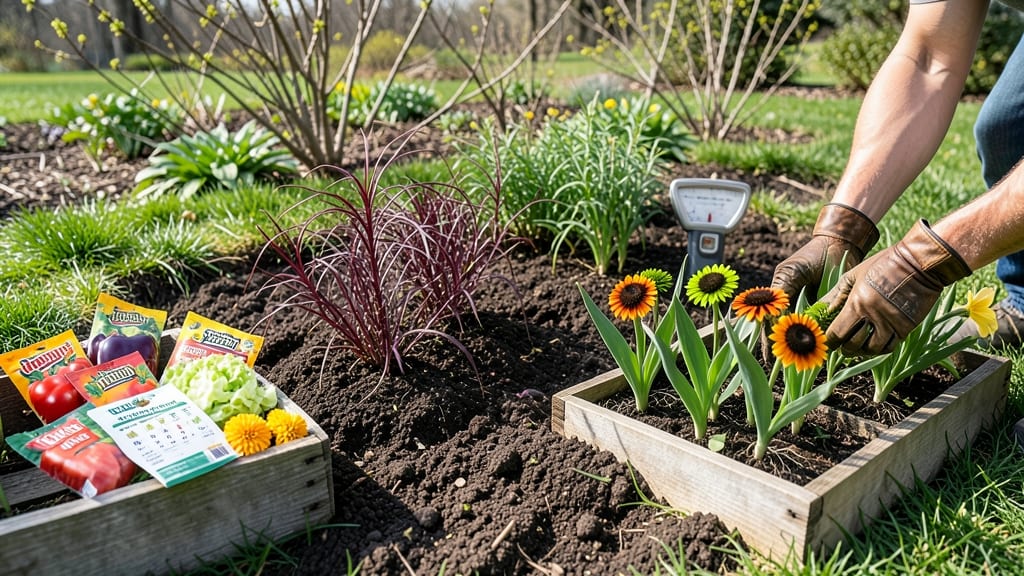
Planting a garden in Virginia at the right time means the difference between a bountiful harvest and a total write-off—especially when frost, humidity, or pests throw a wrench into your plans.
Virginia’s diverse climate—from the coastal plains to the Appalachian foothills—means your garden’s success hinges on planting at the perfect time. Get it wrong, and frost, heatwaves, or pests can ruin your harvest before it even starts.
Most gardeners in USDA zones 6a-8a know the basics: start cool-season crops like lettuce in early spring and warm-season tomatoes after the last frost. But Virginia’s microclimates complicate things—your neighbor’s ideal timing might leave your plants vulnerable.
Below, I break down the exact month-by-month schedule for Virginia’s most reliable crops, how to adjust for late frosts or early heat, and the zero-frost-risk plants that thrive even in the hottest summers.
Virginia’s planting zones & microclimates: when to start seeds indoors vs. direct-sowing outdoors
Virginia’s USDA hardiness zones 5b-8a create a patchwork of planting opportunities, but microclimates like the Tidewater coast, Piedmont valleys, and Appalachian slopes can shift your last frost dates by weeks.
In Zone 8a (Norfolk), you might sow warm-season crops by March 15, while Zone 5b (Roanoke) gardeners wait until April 30—a critical difference for tomatoes or peppers that need heat to thrive.
Understanding these variations lets you start seeds indoors at the right time or direct-sow outdoors when soil temperatures align with plant needs.
For example, cool-season crops like lettuce can go in Zone 6a as early as February 15, while warm-season crops like beans wait until May 1 in Zone 7b. Let’s break down how to navigate Virginia’s planting windows by region and crop type.
In Zone 5b, where frosts linger until May 1, I always start cool-season crops indoors in February to give seedlings a head start. For example, broccoli and cabbage need 60-75 days to mature, so I begin them by February 1 to transplant by March 20.
Meanwhile, in Zone 8a, I can direct-sow spinach as early as February 15—a full month earlier than in Zone 6a.
For warm-season crops, timing shifts dramatically. In Zone 7b, I start tomatoes indoors by March 1 and transplant after May 15, when soil temps hit 60°F.
But in Zone 5b, I delay until April 15 for indoor starts to avoid transplant shock from late frosts. Peppers and eggplants, which need even more heat, wait until April 1 in Zone 6a and March 15 in Zone 8a.
Microclimates add another layer. A south-facing slope in Zone 6a might warm up 2 weeks earlier than a north-facing valley, letting you plant radishes or lettuce sooner.
Conversely, low-lying areas in Zone 7b can suffer late frosts into April, so I use row covers or wait until April 15 for direct-sowing.
Pro tip: Use a soil thermometer to confirm 50°F for cool crops and 60°F for warm crops before planting. In Zone 7a, I’ve seen soil temps lag behind air temps by 10 days in spring, so I never rush—patience prevents frost damage.
Fall planting follows the same logic but in reverse. In Zone 8a, I can direct-sow cool crops until
Best zero-frost risk crops for Virginia & their ideal planting months by region
Virginia’s long, hot summers make it ideal for growing heat-tolerant crops that thrive without frost concerns. These fast-maturing varieties—like okra, sweet potatoes, and black-eyed peas—ensure a bountiful harvest before fall temperatures drop.
Whether you're in the Shenandoah Valley’s cooler highlands or Norfolk’s humid coastal plains, timing is everything for zero-frost success.
For Northern Virginia (USDA zones 6a-7a), focus on late spring to early summer plantings, while Central Virginia (zone 7b) can extend into mid-summer. Southern Virginia (zones 7b-8a) enjoys the longest growing season, allowing for August plantings of warm-season crops.
Below are my top zero-frost risk crops and their region-specific planting windows to maximize your garden’s potential.
🌱 Zero-Frost Risk Crops by Region
- Okra – Northern VA: May 15–June 15 | Central VA: April 30–June 1 | Southern VA: April 15–May 30 (60–65°F soil temp)
- Sweet Potatoes – All Regions: May 1–June 15 (slips planted after last frost)
- Black-Eyed Peas – Northern VA: April 15–May 15 | Central/Southern VA: March 15–April 30 (direct sow after frost)
- Southern Peas (Cowpeas) – Northern VA: June 1–July 15 | Central/Southern VA: May 15–June 30 (drought-tolerant)
- Eggplant – Northern VA: May 1–June 1 | Central VA: April 15–May 15 | Southern VA: March 30–April 30 (start indoors 8–10 weeks early)
- Peppers (Bell/Jalapeño) – Northern VA: April 15–May 15 | Central/Southern VA: March 15–April 15 (transplant after frost)
- Cantaloupe – Northern VA: May 15–June 1 | Central/Southern VA: April 1–May 15 (warm soil required)
Okra is my go-to for Northern Virginia gardens—it thrives in hot, dry conditions and matures in just 50–60 days. Plant seeds directly in the soil once nighttime temperatures stay above 55°F, typically mid-May in the Shenandoah Valley. For sweet potatoes, slips should be planted after the last frost (usually by May 1), but avoid planting too early—they hate cold soil.
In Central Virginia, where summers are longer and more humid, I recommend black-eyed peas for early spring plantings. These nitrogen-fixing legumes improve soil health while providing a fast harvest (ready in 60–70 days).
For Southern Virginia, cowpeas and eggplants are excellent choices—they tolerate high humidity and heavy soils, making them perfect for Norfolk’s coastal climate.
Pro tip: Use mulch to retain soil moisture and row covers for early plantings in Northern Virginia to protect against late frosts. In Southern Virginia, drip irrigation is a game-changer—it delivers water directly to roots, reducing fungal risks in the humid air.
Always monitor soil temperatures with a soil thermometer—most warm-season crops need at least 60°F to germinate properly.
By aligning your plantings with these region-specific windows, you’ll avoid frost damage and heat stress, ensuring a reliable harvest every season. Start with 1–2 varieties to test your microclimate, then expand next year based on what thrives best in your garden.